Quick access to main page (top) Direct access to main contents Quick access to main page (bottom)

2026 ASF Outbreak: How Foreign Viruses Are Impacting South Korea’s Pig Farms

Daniel Kim Views  

Translation result.

▲
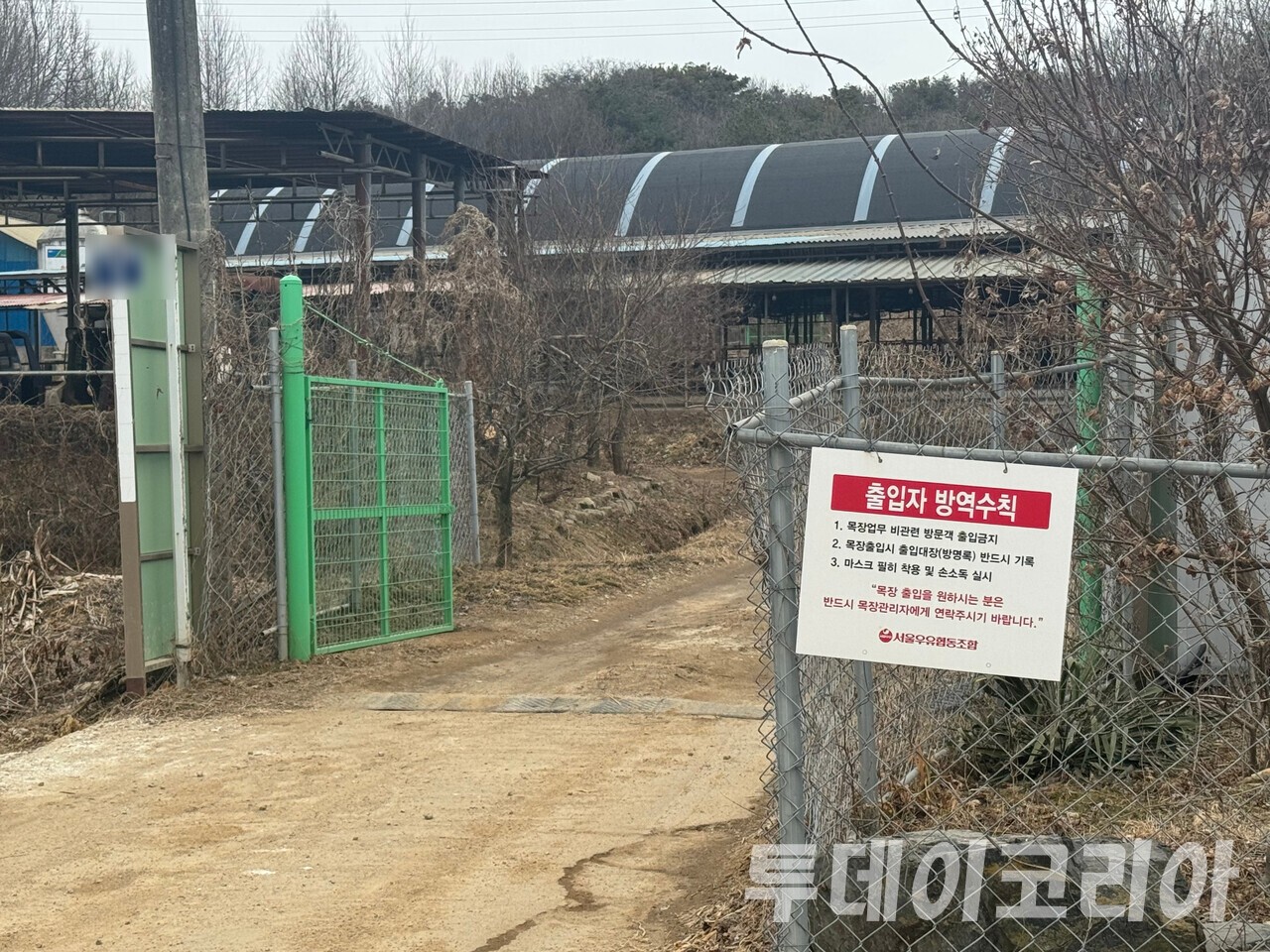
▲ A farm near Pocheon City where African swine fever (ASF) occurred. Photo=TodayKorea

TodayKorea=Reporter Kim Si-on | Preliminary government analysis shows that roughly nine out of every ten African swine fever (ASF) cases reported nationwide in the first quarter were linked to virus strains of foreign origin. The government has pinpointed pig plasma protein used in feed, illegally imported animal products and wild boar as likely transmission routes and has intensified biosecurity measures.

The ASF Central Accident Response Headquarters on the 19th released interim epidemiological findings and control measures for cases reported between Jan. 16 and March 16 across seven provinces and metropolitan cities.

Authorities detected 24 ASF cases this year. Cases appeared not only in the traditional hotspots of Gyeonggi, Gangwon and North Gyeongsang but also in South Chungcheong, North Jeolla, South Jeolla and South Gyeongsang. This marks the highest annual total since 2019.

According to the response headquarters, annual case counts were: 14 in 2019, 2 in 2020, 5 in 2021, 7 in 2022, 10 in 2023, 11 in 2024, 6 in 2025 and 24 for Jan.–March 2026.

Genetic analysis indicates that most of this year’s cases originated abroad.

The Quarantine Authority’s genetic testing found that 21 of the 24 cases belonged to the foreign-origin IGR-Ⅰ lineage. The remaining three matched the domestic wild boar–derived IGR-Ⅱ type previously identified in Pocheon and Yeoncheon in Gyeonggi Province.

Notably, this year’s virus showed 99.6–99.9% genetic similarity to a case detected in Dangjin, South Chungcheong, in November of last year.

Investigators believe infected pigs were shipped to a slaughterhouse before testing positive, and that blood byproducts from that slaughter may have entered the pig plasma protein supply chain and spread contamination.

Government testing also detected ASF genetic material in pig plasma protein and in feed made from that ingredient.

After conducting nationwide mass testing of pig farms and recalling or destroying contaminated feed, authorities reported no new cases since March 16. Nationwide movement restrictions for ASF were lifted on April 22, but 32 cities and counties judged to be high-risk remain at the “serious” crisis alert level.

The government has significantly strengthened its biosecurity measures. It expanded airport baggage inspections and detection dog deployments, and established an automated text-notification system that alerts farm owners and local authorities about biosecurity protocols when foreign workers enter the country. Officials also collect daily samples from blood tanks at 36 slaughterhouses nationwide.

Meanwhile, anxiety among affected farmers is rising.

On the 13th, the Korea Pork Producers Association held a meeting with affected farmers and urged the government to increase compensation and ease restocking standards. Farmers requested that cull compensation, currently capped at about 80%, be raised to 100%, and sought emergency business stabilization funds and a moratorium on feed-loan repayments.

The government has left the door open to some policy adjustments. The Ministry of Agriculture, Food and Rural Affairs said it will maintain maximum compensation of up to 80% for farms that participated in the mass testing program, while considering additional payments to offset reduced amounts and reviewing changes to restocking criteria.

Daniel Kim
content@tenbizt.com

Comments0

300

Comments0

[Social] Latest Stories

  • Starbucks Korea CEO Fired Over Controversial ‘Tank Day’ Promotion
    Starbucks Korea CEO Fired Over Controversial 'Tank Day' Promotion
  • 25,000 Robots vs. Human Workers: The High-Stakes Battle at Hyundai
    25,000 Robots vs. Human Workers: The High-Stakes Battle at Hyundai
  • Hotel Hygiene Scandal: Cleaner Caught Using Guest Towels to Wipe Toilets
    Hotel Hygiene Scandal: Cleaner Caught Using Guest Towels to Wipe Toilets
  • South Korea’s Tech Giant Kakao Faces First Major Strike in 20 Years
    South Korea's Tech Giant Kakao Faces First Major Strike in 20 Years
  • South Korea’s Aging Crisis: How One Leader Is Redefining ‘Well-Dying’
    South Korea’s Aging Crisis: How One Leader Is Redefining 'Well-Dying'
  • Stop Calling Them ‘Hey You’: South Korea’s New Push for Worker Respect
    Stop Calling Them 'Hey You': South Korea's New Push for Worker Respect

Weekly Best Articles

  • Choi Dong-seok’s Family Bond: How a Simple Engraving Reveals Deep Love for His Children
  • Kwak Sun-hee’s Stunning Wedding Photos: A Celebration of Love and Courage
  • Is ‘I Am a Natural Person’ Just a Big Lie? Comedian Yoon-taek Reveals Shocking Secrets!
  • Health Scare: Why Fans Are Worried About Go Ji Yong’s Dramatic Weight Loss
  • Discover the Winter Gongju Chestnut Festival: A Taste of Korea at H-Mart in the USA!
  • 2026 Spring Wildfire Prevention: How Gyeryong City is Cutting Response Time to 30 Minutes!

You May Also Like

  • 1
    Ukraine’s EU Bid Surges as Hungary Drops Opposition Amid Russian Attacks

    Politics 

    Ukraine’s EU Bid Surges as Hungary Drops Opposition Amid Russian Attacks
  • 2
    Trump Backs Colombia's 'El Tigre' — What It Means for U.S. Relations

    Politics 

    Trump Backs Colombia’s ‘El Tigre’ — What It Means for U.S. Relations
  • 3
    Trump Backs Colombia's Far-Right Outsider—What's at Stake?

    Politics 

    Trump Backs Colombia’s Far-Right Outsider—What’s at Stake?
  • 4
    12.5% Tariff Hit: South Korea Faces New U.S. Trade Penalties

    Politics 

    12.5% Tariff Hit: South Korea Faces New U.S. Trade Penalties
  • 5
    12.5% Tariff Alert: Why the U.S. Is Targeting South Korean Imports

    Politics 

    12.5% Tariff Alert: Why the U.S. Is Targeting South Korean Imports

Popular Now

  • 1
    Marta Kostyuk Makes History at French Open Amid Ukraine Crisis

    Politics 

  • 2
    37 Years in Exile: The Tiananmen Leader Who Just Wants to Go Home

    Politics 

  • 3
    South Korea's Cheongju Airport Faces Crisis as Passenger Numbers Explode

    Politics 

  • 4
    Nuclear Submarine Race: South Korea's High-Stakes Bid for U.S. Fuel

    Politics 

  • 5
    France Finally Admits Complicity in the 1994 Rwandan Genocide

    Politics 

Weekly Best Articles

  • Choi Dong-seok’s Family Bond: How a Simple Engraving Reveals Deep Love for His Children
  • Kwak Sun-hee’s Stunning Wedding Photos: A Celebration of Love and Courage
  • Is ‘I Am a Natural Person’ Just a Big Lie? Comedian Yoon-taek Reveals Shocking Secrets!
  • Health Scare: Why Fans Are Worried About Go Ji Yong’s Dramatic Weight Loss
  • Discover the Winter Gongju Chestnut Festival: A Taste of Korea at H-Mart in the USA!
  • 2026 Spring Wildfire Prevention: How Gyeryong City is Cutting Response Time to 30 Minutes!

Must-Reads

  • 1
    Ukraine’s EU Bid Surges as Hungary Drops Opposition Amid Russian Attacks

    Politics 

    Ukraine’s EU Bid Surges as Hungary Drops Opposition Amid Russian Attacks
  • 2
    Trump Backs Colombia's 'El Tigre' — What It Means for U.S. Relations

    Politics 

    Trump Backs Colombia’s ‘El Tigre’ — What It Means for U.S. Relations
  • 3
    Trump Backs Colombia's Far-Right Outsider—What's at Stake?

    Politics 

    Trump Backs Colombia’s Far-Right Outsider—What’s at Stake?
  • 4
    12.5% Tariff Hit: South Korea Faces New U.S. Trade Penalties

    Politics 

    12.5% Tariff Hit: South Korea Faces New U.S. Trade Penalties
  • 5
    12.5% Tariff Alert: Why the U.S. Is Targeting South Korean Imports

    Politics 

    12.5% Tariff Alert: Why the U.S. Is Targeting South Korean Imports

Popular Now

  • 1
    Marta Kostyuk Makes History at French Open Amid Ukraine Crisis

    Politics 

  • 2
    37 Years in Exile: The Tiananmen Leader Who Just Wants to Go Home

    Politics 

  • 3
    South Korea's Cheongju Airport Faces Crisis as Passenger Numbers Explode

    Politics 

  • 4
    Nuclear Submarine Race: South Korea's High-Stakes Bid for U.S. Fuel

    Politics 

  • 5
    France Finally Admits Complicity in the 1994 Rwandan Genocide

    Politics 

Share it on...