
Samsung Electronics Union Crisis: 4,000 Members Leave in One Month—What It Means for the Future?
Daniel Kim Views
Translation result.
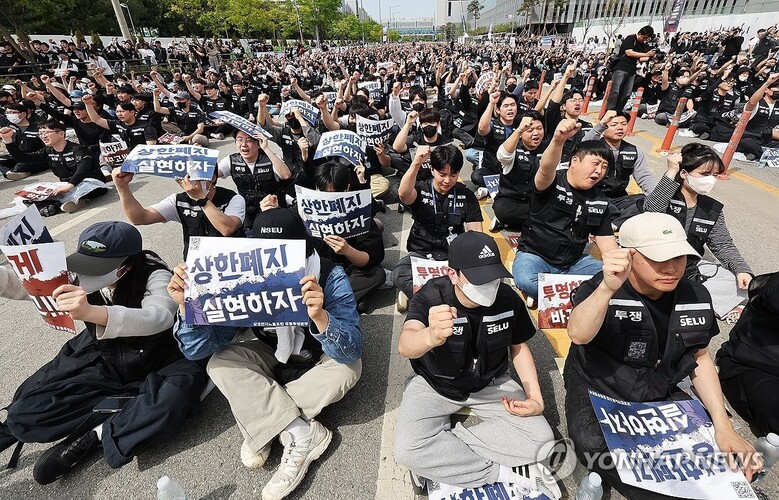
[mdtoday = Reporter Park Seong-ha] The Samsung Electronics branch of the Transcorporate Union, the company’s largest union, has seen roughly 4,000 Device Experience (DX) division members submit withdrawal requests over the past month, putting the union’s majority status at risk.
Industry sources say the Samsung Electronics branch of the Transcorporate Union received about 4,000 withdrawal requests from DX division members in the last month.
That figure approaches half of the DX division’s estimated 8,500–9,000 members within the transcorporate union. The departures appear driven by growing frustration among DX members that wage negotiations prioritized performance bonuses and improved terms for the Device Solutions (DS) division, which handles semiconductors.
DX members contend that the bargaining agenda was skewed in favor of DS and that DX interests were not adequately reflected during strike planning. Some members have even pursued injunctions aimed at blocking the wage agreement and preventing a strike, questioning the union’s representativeness.
Disputes over delayed processing of withdrawal requests further escalated tensions. Employees posted on internal boards suggesting the union might be intentionally delaying withdrawals to preserve strike momentum. The union denied intentional stalling, saying the sudden surge in requests over the month created an administrative backlog.
If the mass withdrawals are finalized, the transcorporate union’s majority standing could be jeopardized. As of the 15th, the union reported 71,750 members, while the threshold to maintain a majority is roughly 64,000. If all pending withdrawal requests are approved, membership would fall into the mid-60,000s, around 67,000.
The transcorporate union plans to resume negotiations with management on the 18th. However, deep internal divisions over formalizing performance bonuses and strike strategy have emerged as key variables that could weaken bargaining power and intensify inter-union conflict.
Industry observers are closely watching the potential impact on semiconductor production and global competitiveness if a strike occurs. They warn that factory disruptions during a heated contest for leadership in high-bandwidth memory (HBM) could produce economic losses as high as 100 trillion KRW (about 75 billion USD). As the labor dispute has dragged on, roughly 200 key personnel are reported to have moved to SK Hynix in recent months.
Real-time Popular Articles
- Samsung management and labor reopen last-minute talks… Will the government’s emergency mediation change the negotiation dynamic?
- Samsung management and union enter final adjustment meeting before a planned general strike
- From strike notices to work refusals… internal conflict at Samsung intensifies













Most Commented