
2026: How Gyeonggi Education Chief Plans to Balance Student Athletes’ Academic and Training Rights
Daniel Kim Views
Translation result.
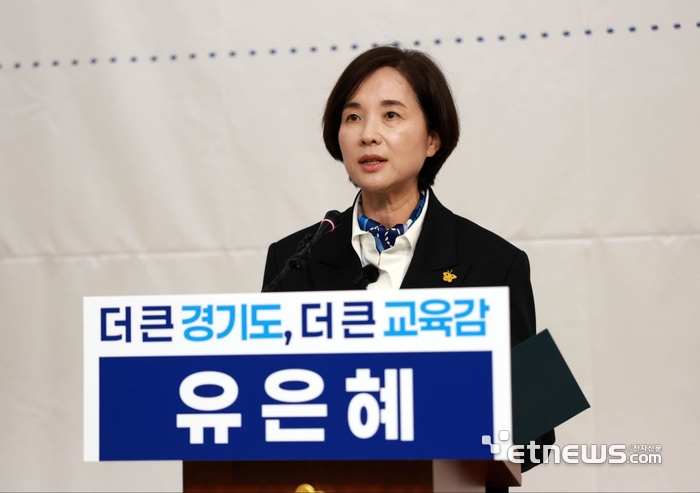
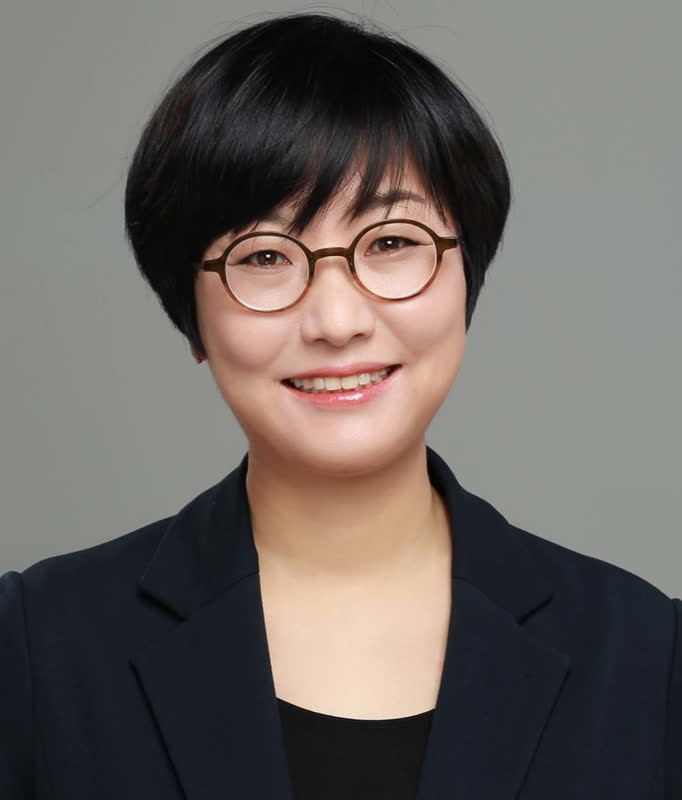
On April 8, Yoo Eun-hye, a candidate for superintendent of education in Gyeonggi Province, said she will seek revisions to the minimum academic eligibility rules and the allowable excused-absence days to ensure student-athletes can safeguard both their educational and training rights.
Currently, the student-athlete academic minimum operates under the implementing regulations of the School Sports Promotion Act. Student-athletes must meet the Ministry of Education’s grade thresholds at the end of each semester to compete; those who fall short are required to complete at least 60 hours per semester of a foundational skills program. The thresholds are set at 50% of the grade-level average for elementary students, 40% for middle school students, and 30% for high school students.
Permitted excused-absence days also directly affect student-athletes’ training and competition schedules. Under the Ministry of Education’s guidance, the limits are 20 days per year for elementary students, 35 days for middle school students, and 50 days for high school students. Schools may approve additional days beyond these limits—after review by the school’s academic performance management committee—if a student-athlete attends international competitions or national-team training as a national representative, youth representative, or national-team candidate.
Yoo said she agrees with the policy’s goal of protecting learning rights and promoting balanced development, but stressed that the current rules place a heavy burden on student-athletes and their families in practice. She argued that restricting competition opportunities solely because students fall short of grade or attendance requirements does not adequately reflect their real circumstances.
To address this, Yoo proposed broadly recognizing tailored learning options—such as one-on-one tutoring, mentoring, and online instruction—as legitimate attendance. She also pledged to establish school-community support systems that allow student-athletes to concentrate on studies during the off-season, when competition schedules are lighter.
She said she will create formal communication channels with parents of student-athletes across the province and build partnerships with local sports clubs and coaches to ensure a stable environment for ongoing training.
“The direction of the policy is meaningful because missing critical learning periods can hinder basic skill development,” Yoo said. “But given the special circumstances of student-athletes who balance training and competition, we must shift from punitive measures to support. I will build practical support systems so children can continue both academics and athletics, and implement careful, field-based adjustments to ensure no student’s potential is cut off.”
Suwon — Kim Dong-seong, reporter









Most Commented