
Translation result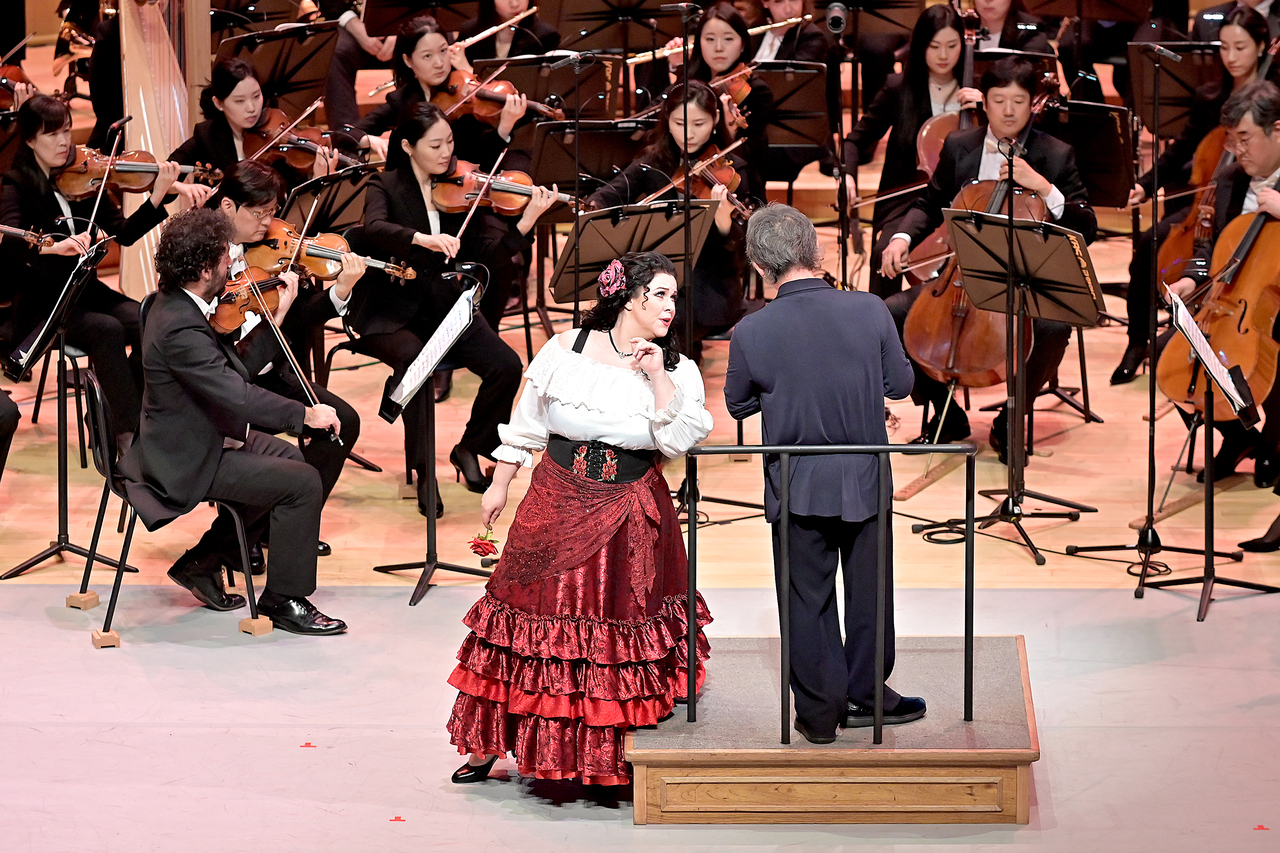 [Herald Economy — Ko Seung-hee] Brass instruments moved in tight, rhythmic steps like a well-trained charger. A driving melody pushed forward like an engine. Firm, decisive notes sketched a perfectly organized script of life. In 3 short minutes, an unavoidable tragedy—no matter how hard one tries to escape—unfolded. Tremolos on the strings rose like cigarette smoke; timpani strikes hit like a heartbeat. Between those sounds, a human fate arrived.
It wasn’t the hot streets of Seville or the roar of a bullring. With no set to speak of, the stage became 19th-century Seville the moment conductor Myung-Whun Chung sliced the air with both hands. Principal trumpeter Nam Kwan-mo fired sharp, precise lines, and principal timpanist Lee Won-seok followed with bold, buoyant strikes. The footsteps of fate closed in. A jaunty march swelled, then the tempo suddenly eased. As the strings slipped into an ominous chromatic descent—the fate theme—the bassoon’s dark, sonorous tone settled over the hall. At that moment the audience realized: even before Carmen and Don José appear, their destinies are already spiraling toward tragedy.
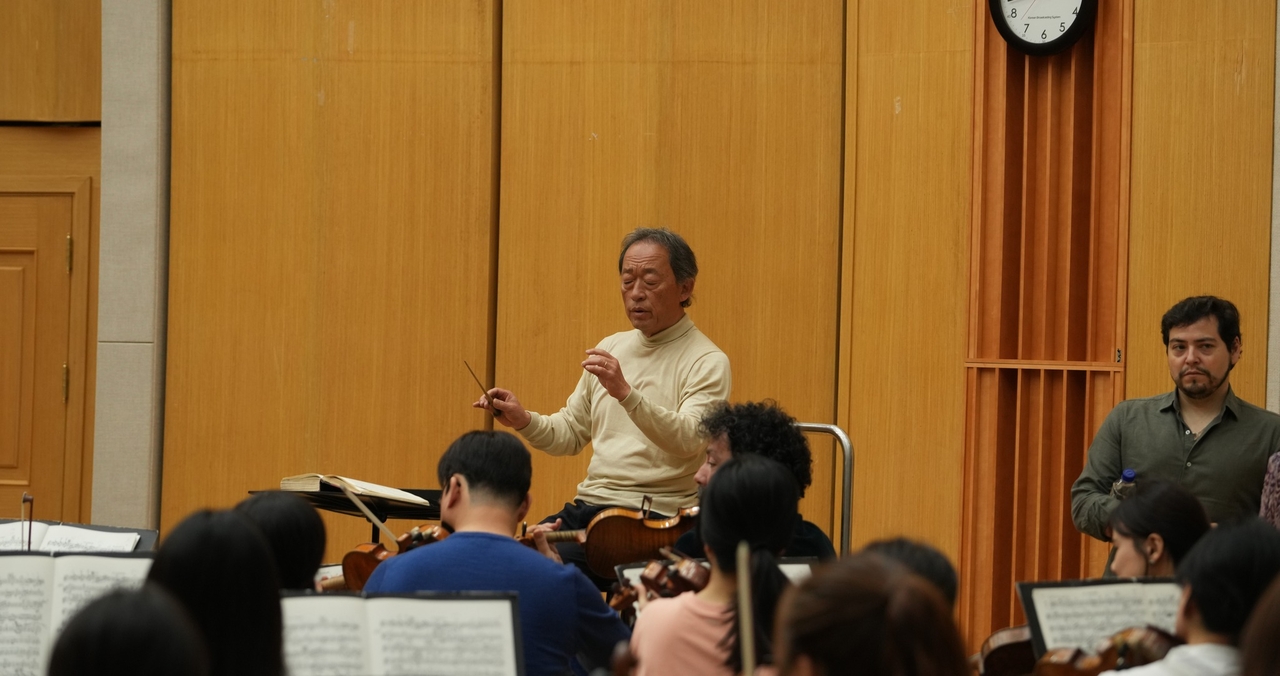
Myung-Whun Chung and the KBS Symphony Orchestra presented an opera for the first time in 29 years—their last was Otello in 1997. Although Chung and the orchestra have given countless performances since he became music director laureate, this marked his first concert opera since taking the music director post.
He proved, plainly, to be an operatic master. Two performances of Carmen made clear why critics call Chung a maestro of the stage. Stripping away direction and visual spectacle, he relied solely on music to thrust the audience into the heart of Spain. His production felt entirely natural.
 Even with singers in military and gypsy costumes moving amid an orchestra dressed in black, nothing felt incongruous. The music served as both drama and set; its precision made the production more convincing than any visual spectacle.
Chung did not present Carmen as a seductive femme fatale. Instead, he carefully mapped how her yearning for freedom collides with an immovable wall called fate. The orchestra sometimes cradled the singers gently and at other times exploded in volume and overtones to heighten the drama. That method—designing fate through music—was the core of Chung’s distinct Carmen.
Mezzo-soprano Alisa Kolosova, singing Carmen, fully embraced Chung’s interpretation. From her first note she changed the room’s temperature. Her Habanera, “Love Is a Rebellious Bird,” was not the familiar song of seduction. She grounded the line in a low chest register and intentionally compressed the rhythm. In subtly delayed phrasing, Kolosova’s Carmen existed as a strong gypsy woman rather than a mere temptress. She sang with the air of someone already in control. Chung repeatedly layered the orchestra to sustain tension between Carmen and the ensemble: string pizzicatos hopped like her steps, and woodwinds shadowed her melody before slipping into unexpected offbeats, sonically shaping Carmen’s unpredictability.
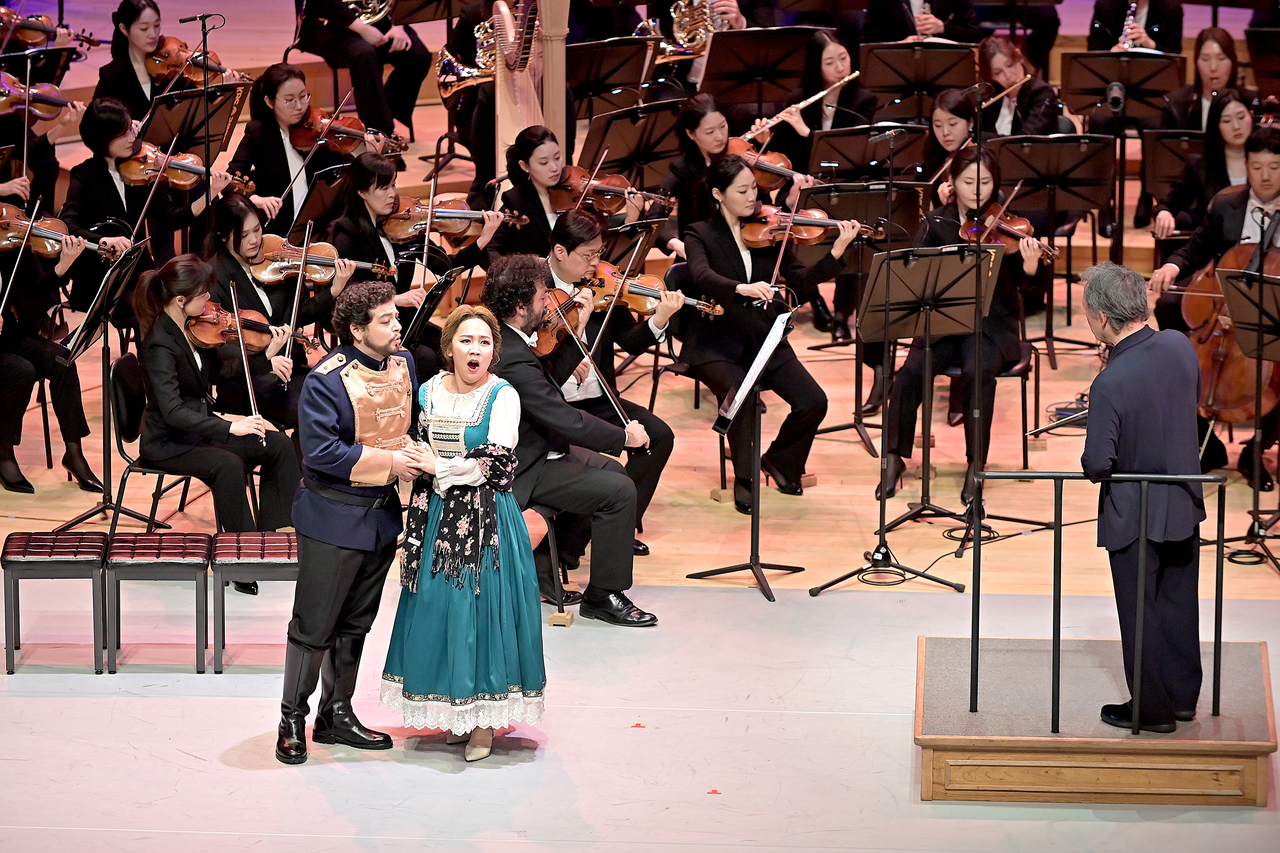 Standing beside this dense, commanding Carmen was a tenor of crystalline timbre. Galeano Salas first offered a clear, lyrical tone in the duet with Micaëla (Kim Sun-young), “Tell me about my mother,” then shifted his vocal color as the drama darkened. In Act II’s “Flower Song,” his declaration of obsession acquired the shadow of ruin. Chung reduced the orchestra’s volume to focus on the tenor’s voice and breath. Don José’s psychological unravelling was carried on the strings’ sharp tremolos and the woodwinds’ anxious lines. At each moment of José’s emotional rupture, the conductor pushed the orchestra’s dynamics to extremes, turning a man’s downfall into musical theater.
Bass-baritone Kim Byung-gil, as the toreador Escamillo, dominated Act II’s Toreador Song. His rich low range and imposing timbre—honed on German stages—fully embodied the bullring hero.
What left the deepest impression throughout the evening was the chorus. The Neue Opern Chorus and the Seongnam City Choir filled Banyeod Hall with resonant reverberation, adding dimensionality to the drama. The CBS Children’s Choir’s bright, clear diction brought fresh air to a story that could otherwise feel unbearably heavy. One of the evening’s finest moments came when Chung smiled broadly at the children’s first phrase. When their passage ended, he rewarded them with a warm round of applause from behind—an instance of musical wit that let laughter coexist with tragedy and blurred the line between stage and reality.
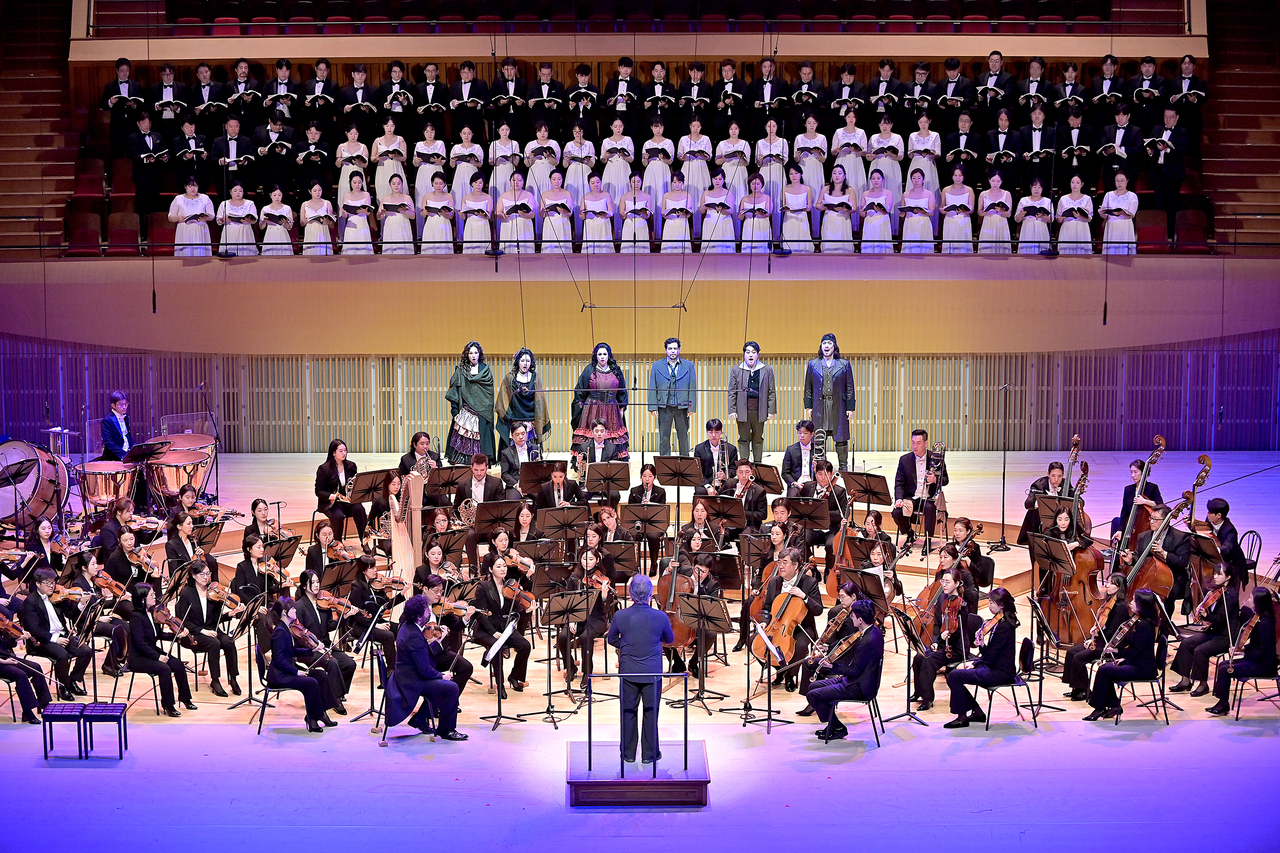 The most striking element that night was the KBS Symphony Orchestra’s concentration. The players followed Chung’s fingertips with split-second responsiveness, supporting and propelling the singers from behind while asserting their own presence. The strings filled the spaces left by the brass’s heat with tight-knit tension, and the woodwinds constantly shifted expression to build the drama. The prelude to Act III, in particular, revealed the most delicate sonorities the orchestra can produce under Chung: flute and harp traced a pastoral line, and the strings’ pianissimo became the calm before the storm.
In Act IV, amid the crowd’s cheers, Chung released the accumulated energy into a vortex of sound as Carmen and Don José confronted each other. Timpani thundered, brass cried out, and the strings’ furious tremolos combined into a storm of sound. The chorus’s bullring cheers offered a cruel contrast to the tragic death that followed.
The evening ran 140 compelling minutes. This Carmen offered the audience a window into the operatic truths the maestro has pursued throughout his career. It also made tangible why La Scala appointed Chung—the first East Asian music director in the house’s history. The company saw in him a deep understanding of opera and a human-centered musical philosophy that could be a key to the theater’s future.
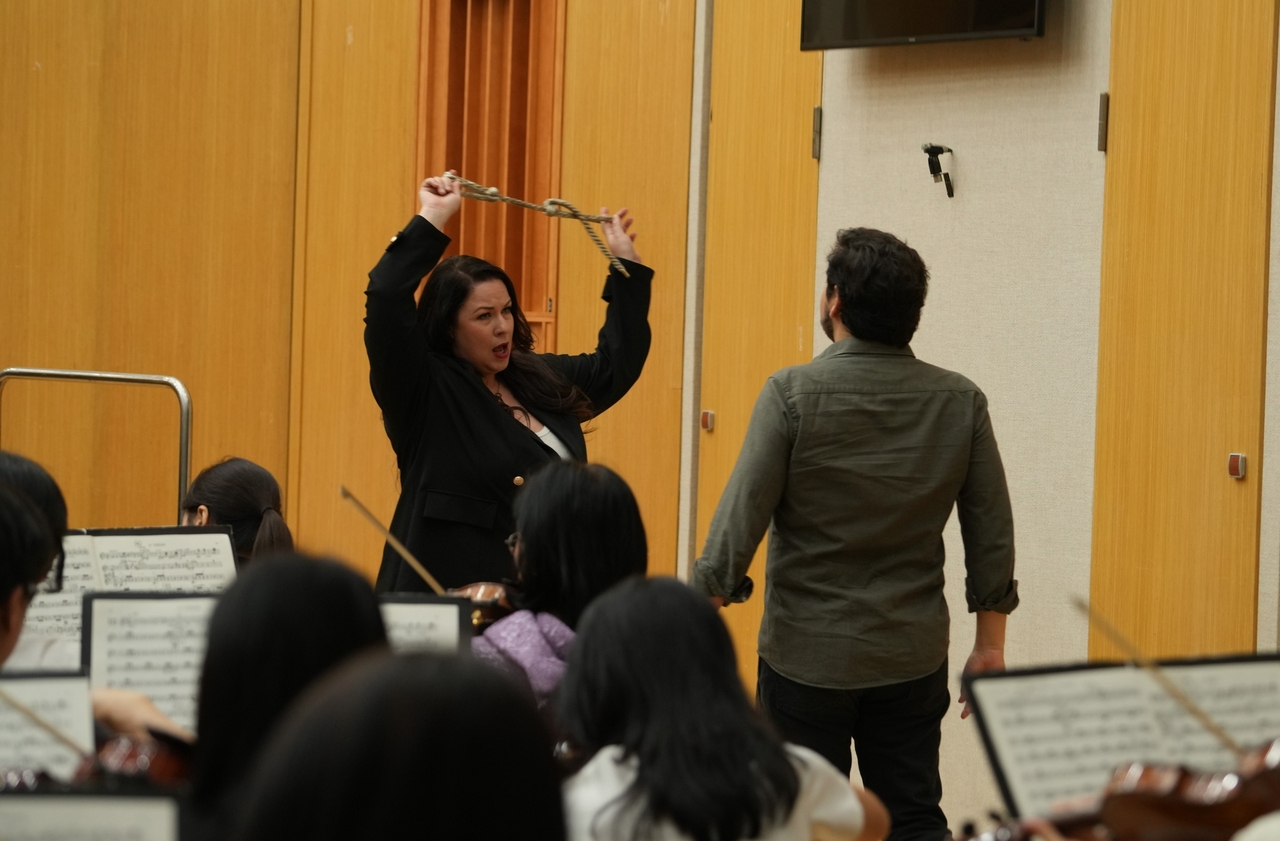 Music critic Heo Myung-hyun said, “The real star of the stage was not Carmen but Myung-Whun Chung. Carmen was excellent, but the night highlighted the tension and energy the orchestra created. Chung fully demonstrated how precisely he can construct drama through music. While his instincts inform his dramatic sense, his methods are meticulous. His conducting did not merely accompany the drama—it controlled it.”
Now the production heads to Tokyo with a new lineup: Myung-Whun Chung will lead the Tokyo Philharmonic alongside select members of La Scala. The July performances are already sold out.










Most Commented