
Translation result
 |
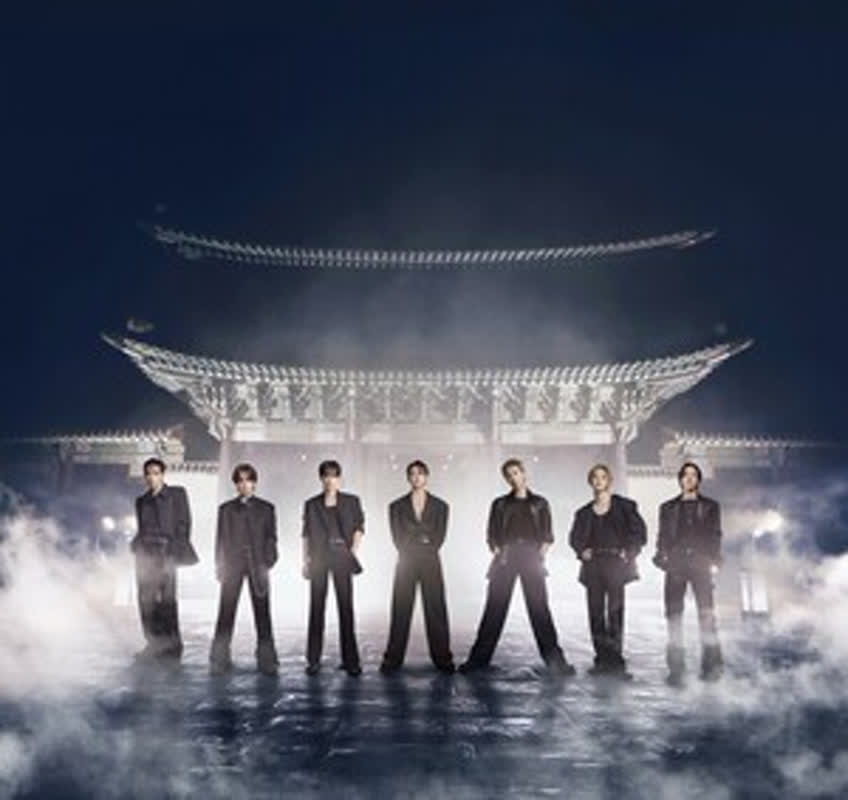
| Photo: BigHit Music |
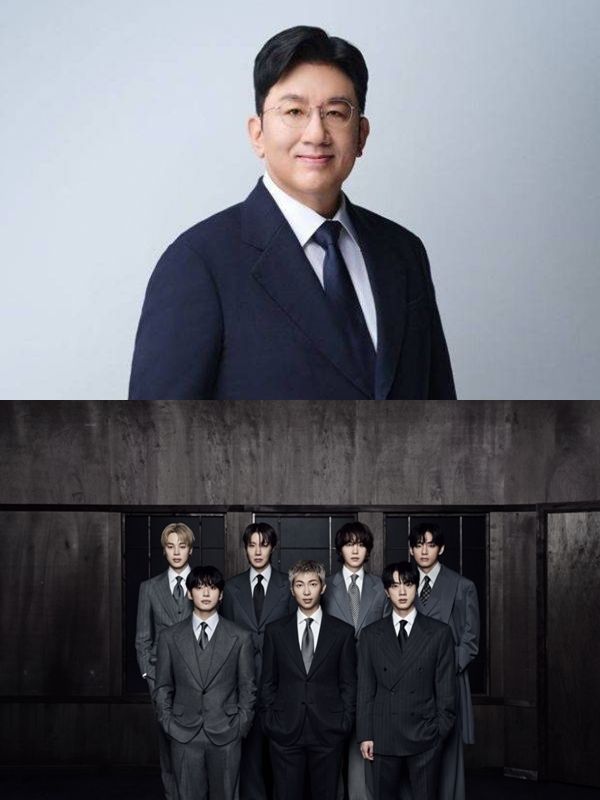
[Sports Today reporter Yoon Hye-young] Bang Si-hyuk, chairman of HYBE, said the work on BTS’s Arirang (ARIRANG) was a journey to answer one question: What kind of music would the members who once sang ‘2 Cool 4 Skool’ make as they matured?
As BTS’s fifth studio album ARIRANG fuels a global phenomenon—holding the top spot on the Billboard 200 for two consecutive weeks and reaching No. 1 on the Billboard Hot 100—Bang, who oversaw the album’s production, opened up about the project’s back story in a Billboard interview on the 8th.
He discussed the long road to BTS’s comeback, the process of creating new songs and choreography, and the deeper meanings embedded in the record.
On the album’s intent, Bang said that “BTS 2.0” shouldn’t be a mere extension of the past but rather a declaration of a new era. Quoting what he told the members, he explained the project began as an attempt to answer a single question: if BTS had retained the identity of their debut album 2 Cool 4 Skool for the last 13 years—without changing genres or expanding their scope—what music would they now create to lead this era? Finding that answer, he said, became the album’s musical mission.
He added that the members’ goal was not to rest on the past glories of a typical boy band, but to return to their roots and use music to articulate themes that only BTS could raise in today’s world.
“This kind of work often lays an artist’s soul bare and exposes their vulnerabilities,” Bang said. “That’s why this record is the current BTS—the seven members themselves—and a candid confession of their hearts.”
He noted that there was no precedent for maintaining a band’s essence while breaking preconceived notions and proving a full identity shift. They kept the core idea of doing what felt most BTS, but deliberately experimented with new approaches instead of simply repeating the past; in doing so, they naturally rediscovered their most authentic sound.
Bang outlined two major shifts under the “BTS 2.0” concept. First, they abandoned methods that simply made artists look flashy and, instead, prioritized the album’s message, adopting a visual approach that captures the members’ intrinsic humanity rather than surface-level glamour.
Second, they rethought performance at a foundational level—designing choreography that allows the music to come through. Bang told the members, “Intense choreography like before can actually drown out the music. Repeating the old approach no longer suits the weight you carry. If we’re opening a new era, we must present performances that let the music be heard.”
Bang also revealed that the members themselves asked him to take the lead in producing the album. “ARIRANG began when BTS members suggested it around the middle of their military service,” he said. Though he accepted the producer role out of the members’ trust, he admitted he felt immense pressure working with such an iconic group.
He shared anecdotes from the studio. “As before, I exchanged and revised lyrics with RM over messenger in real time,” Bang said. “What changed was the members’ capabilities. I’ll never forget the first time I heard V’s song ‘Into the Sun’ in the studio. V hadn’t contributed that many songs to past BTS albums, but this track stood out—truly exceptional. All the members’ skills have grown significantly.”
On song selection, Bang said some members initially opposed including “2.0,” but he insisted it belonged on the album. He persuaded them by arguing that the track wasn’t about explosive spectacle; it was about concentrating energy inward while precisely channeling BTS’s heritage—making it essential to the record. “2.0” later reached No. 50 on the Billboard Hot 100, and its music video—an homage to Park Chan-wook’s Oldboy—has surpassed 37 million views, drawing wide attention.
After the intense creative process, the members reportedly expressed strong satisfaction with the finished album. Bang recalled, “We casually gathered and listened to the whole album together, joking that ‘this is a classic,’ and played it twice straight. We felt confident because the record contains what the members truly wanted to say and the colors they wanted to express. I believe the released album reflects the direction they genuinely pursued.”
He also explained the album’s central theme, Arirang. “Arirang became the perfect theme for this record—both a reflection on BTS’s path so far and a compass pointing to the direction they should take going forward,” he said.
Global reaction to the album has been fervent. Footage of international audiences singing Arirang in unison during “Body to Body” went viral. Bang recalled that the team originally debated whether inserting such a distinctly Korean folk melody would work. “Some members worried it might look like nationalistic marketing,” he said. “But when we played it for people around us, every Korean listener I asked said they got goosebumps and were moved when Arirang played. We laughed and agreed I must have been right about this one.”
Bang said he wanted ARIRANG to deliver two messages to the K-pop market. “I hope this record does more than extend artists’ active periods; I want it to act as a catalyst for qualitative career shifts and ongoing artistic expansion,” he said.
On the industry level, he added: “I expect this to trigger a shift in album-consumption paradigms. Pay attention to the vinyl (LP) market.” While K-pop remains centered on CDs, he argued, the industry needs to expand into new growth areas like LPs. In the U.S. market, LPs are growing roughly 20% annually, and despite significantly increasing LP production for this BTS album, some editions have already sold out.
Closing the interview, Bang declared, “I’m confident this album will cement BTS as an icon—not just representatives of Korea, but universal pop stars and an iconic presence.” He likened their status to a cultural destination beloved by a broad public beyond fandom.
He added that having such artists in the K-pop scene would help expand the market and raise interest, and he hopes BTS’s long-awaited return injects new energy into Korea’s music industry.
[Sports Today reporter Yoon Hye-young ent@stoo.com]
「The closest, most fun news ⓒ Sports Today」










Most Commented