
Translation result.
|
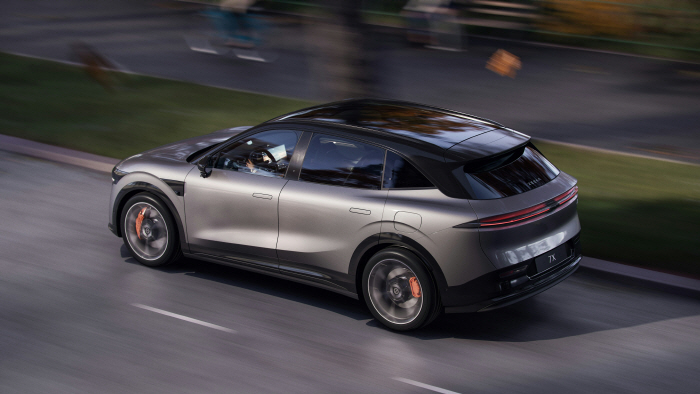
Chinese electric-vehicle brands are intensifying their push into the South Korean market. Following BYD, premium Chinese EV makers such as ZEEKR and XPeng are preparing to enter Korea, increasing pressure on established automakers and import brands.
On the 22nd, the Korea Imported Automobile Association reported that BYD sold 6,107 units in Korea last year, ranking it 10th among imported brands. BYD has quickly built a sales base by rolling out the compact SUV Atto 3, the midsize sedan Seal, and the midsize SUV Sea Lion 7.
BYD’s competitive edge has been price. With out-the-door prices for key models generally staying below 40 million KRW (about $30,000), BYD has grown rapidly by delivering strong value. But with premium Chinese marques such as ZEEKR and XPeng on the way, competition is likely to shift from simple price battles to product quality and brand strength.
Industry executives say BYD has already reshaped Korean consumers’ perceptions of Chinese EVs. If ZEEKR and XPeng enter the market, Chinese-made EVs could increasingly be evaluated on product merits rather than just price.
ZEEKR, Geely Automobile Group’s premium EV brand, appears poised to be the first to launch locally. Industry sources expect ZEEKR to debut as early as May with the midsize electric SUV 7X. Sharing platforms and technology with Volvo, ZEEKR has expanded quickly within China’s premium EV segment. Unlike BYD’s price-led approach, ZEEKR is pushing both product quality and brand positioning.
XPeng is also preparing a Korean rollout. The company established a local subsidiary last year and could begin official sales this year. XPeng emphasizes strengths in autonomous-driving software and electrification technology. Geely’s other premium brand, Lynk & Co, is reportedly considering a 2028 entry as well.
The Chinese EV advance won’t be limited to low-cost models. While price drove the early phase, Chinese manufacturers are rapidly improving battery chemistry, driving range, convenience features and software, broadening the competitive field.
Industry observers view these moves not as a temporary trend but as a signal of broader market realignment. “Chinese EV makers are quickly raising their technical capabilities in addition to maintaining price competitiveness,” one industry source said. “Competition in the domestic market will intensify significantly.”











Most Commented