
Translation result
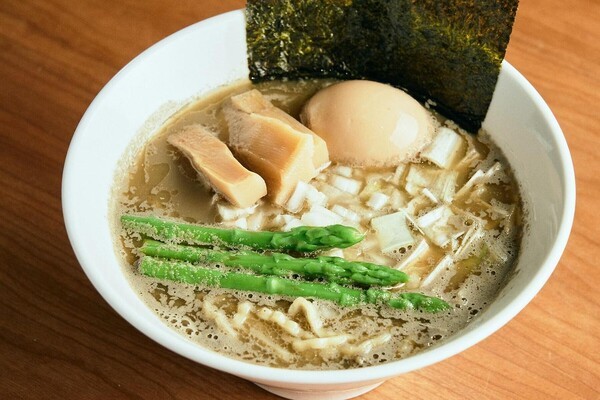
Ramen ranks among the most popular instant foods in Korea. It’s quick to make, irresistibly flavorful, and enjoyed by people of all ages. Still, ramen often gets a bad rap: the noodles are typically fried, the broth is high in sodium, and it can be loaded with artificial flavor enhancers. Doctors sometimes warn middle-aged and older adults—who are more sensitive to blood pressure and vascular issues—to steer clear. That said, you don’t have to swear off ramen forever. If you cook it with certain ingredients, you can reduce sodium absorption, calm vascular inflammation, and restore nutritional balance. Keep these four additions in mind next time you crave a bowl.
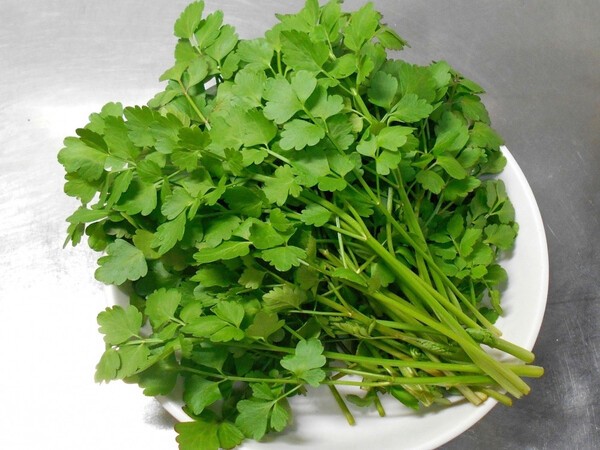
Minari (Korean watercress) — the green healer that helps flush sodium and keep blood pressure in check
Minari’s distinctive aroma and crisp bite make it a natural in soups, though adding it to ramen might feel new to some. Minari not only tames the broth’s saltiness and greasiness, it’s also rich in potassium and fiber—nutrients that help rid the body of excess sodium. Pairing minari with high-sodium dishes like ramen can blunt salt-related blood pressure spikes.
Once the noodles are partially cooked in boiling water, toss in a small handful of minari to preserve its flavor and nutrients. A light amount is ideal—don’t overdo it.
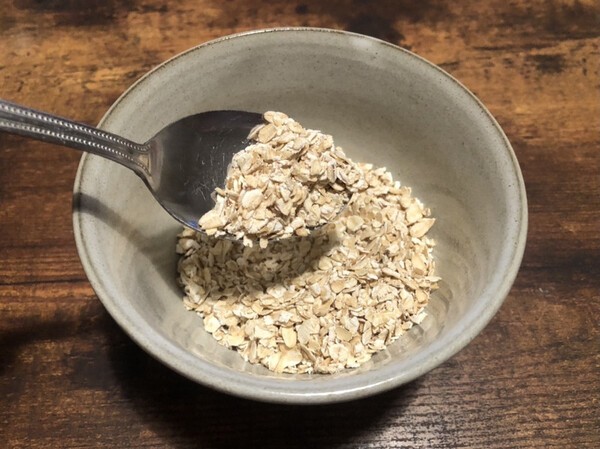
Perilla seed powder — a nutty spoonful that cuts through greasy broth and helps keep arteries supple
Perilla seeds are high in fat, but much of that is heart-healthy omega-3 fatty acids. A spoonful of perilla powder stirred into ramen broth reduces that heavy oily mouthfeel and adds a smooth, toasty finish. Even more importantly, the unsaturated fats in perilla support arterial elasticity and can help lower cholesterol.
For best texture, add perilla powder at the end of cooking, just before you turn off the heat. Use it sparingly—too much can thicken the broth.
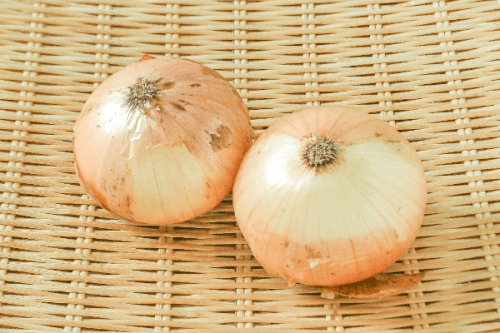
Onion — a slimming kitchen staple that breaks down blood fats and brings out the broth’s natural sweetness
Onions might seem ordinary, but heat unlocks powerful benefits. Adding onion to strongly seasoned dishes like ramen releases natural sweetness so you can use less powdered seasoning, while quercetin helps break down blood fats and protect vascular health. The sulfur compounds in onions also have a mild blood-thinning effect, which may help prevent high blood pressure.
Slice the onion and cook it briefly with the noodles to let the broth pick up a deep, natural sweetness. Cook it with the noodles for about 2–3 minutes rather than simmering it for too long to preserve both texture and flavor.
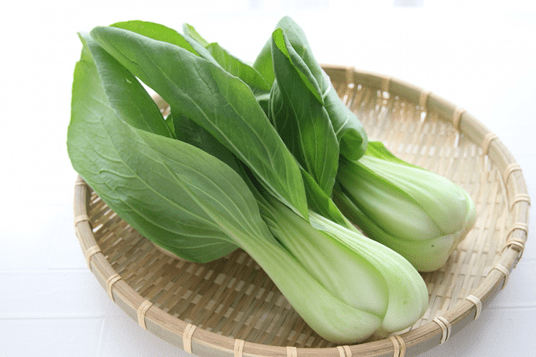
Bok choy — a vitamin-rich protector that fills in ramen’s nutritional gaps
Bok choy may not be the star of every kitchen, but it’s a hardworking veggie in stir-fries and steamers. High in water, vitamin K, and vitamin C, it’s great for supplementing the micronutrients ramen lacks. The flavonoids in bok choy also reduce oxidative stress on artery walls and help improve circulation. Its tender yet slightly crisp texture pairs nicely with noodles.
Add bok choy just as the noodles are almost done and blanch it for only 20–30 seconds. Overcooking makes it tough and drains nutrients, so watch the timing.
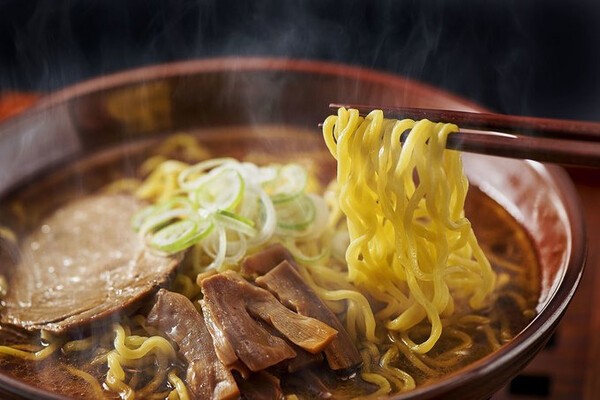
Ramen isn’t an absolute taboo. How you cook it and what you add can turn a potentially unhealthy bowl into a nourishing meal. These four ingredients do more than add flavor—they actively support vascular health. Instead of saying “don’t eat ramen,” it’s time to think, “let’s eat ramen the right way.”













Most Commented