
Your Ultimate Guide to Spring Greens: How to Prepare Chamnamul and Maximize Its Benefits
Daniel Kim Views
Translation result.
Spring is in full swing, but that sunny, easygoing weather often comes with a familiar slump: the post-lunch drowsies. Luckily, a few seasonal ingredients can help shake off that midafternoon fog.
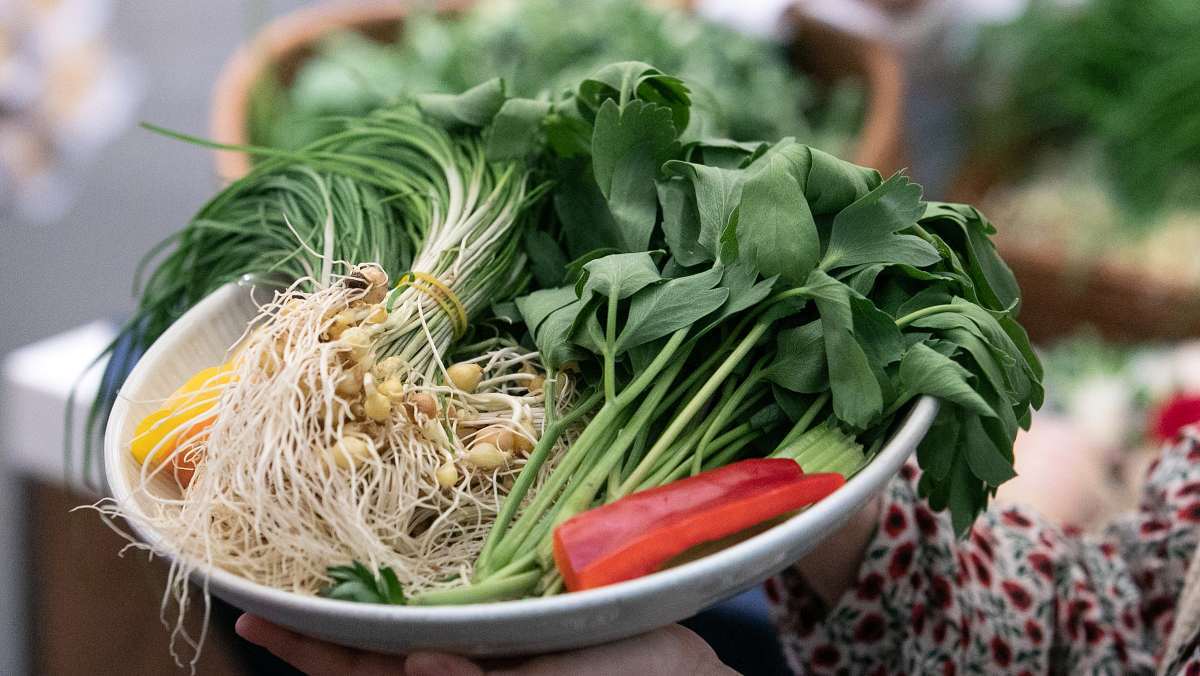
One of the go-to springtime pick-me-ups is chamnamul, a leafy green Koreans rely on for a nutrient boost. To beat spring fatigue, it helps to get enough rest and replenish vitamins and minerals.
Chamnamul is a perennial that grows in shaded mountain forests. It typically reaches 30–80 cm in height, has tripinnate leaves with serrated edges, and produces white flowers from June to August.
What makes chamnamul a spring favorite is its delicate aroma and tender texture. It’s milder and cleaner-smelling than punchier greens like mugwort, so it works beautifully raw, in lightly dressed salads, or as a quick seasoned side.
Chamnamul contains vitamins A, C, B2 and calcium, which can help relieve eye strain and dry skin, and it also offers notable antioxidant benefits.
That said, chamnamul can be easily mistaken for other wild plants, so avoid foraging and eating unidentified greens. Even when you buy it, wash it carefully: soak and rinse under running water at least three times before cooking to reduce pesticide residue and foodborne bacteria. If you eat wild-harvested greens and then experience severe stomach pain, cramps, or difficulty breathing, seek medical attention immediately.
Instead of long boiling, cook chamnamul in ways that preserve its scent and texture. A simple chamnamul salad is one of the best preparations: just wash, trim, cut, and lightly dress.
Start by rinsing chamnamul under running water two to three times and remove any tough stems or wilted leaves. Briefly blanch in lightly salted boiling water for about 20–30 seconds—too long and you’ll lose the aroma and the crisp bite.
Shock the blanched chamnamul in cold water to stop the cooking, then gently squeeze out excess moisture. Cut into 4–5 cm lengths and place in a bowl. Add 1 tablespoon soy sauce, 1/2 tablespoon minced garlic, 1 tablespoon sesame oil, and a sprinkle of toasted sesame seeds, then toss lightly. Don’t mash it—gently mix and serve right away for the best flavor and fragrance.
Among spring greens, dolnamul (stonecrop) actually tops the list for vitamin C. Though it’s often praised for calcium, the nutrition data show its vitamin C content really stands out.
RealFood reviewed data from the Korea Food & Drug Administration for 11 commonly eaten spring greens and found that, per 100 g raw, dolnamul contains the most vitamin C at 107 mg.
Next in vitamin C were gaetgireumnamul (bangpungnamul) at 43 mg, wild chives at 35 mg, shepherd’s purse at 21 mg, chwinamul at 12 mg, and water parsley at 11 mg. By contrast, sseumbagwi had 7 mg, mugwort 6 mg, sebalnamul 3 mg, chamnamul 3 mg, and meowi 2 mg.
Dolnamul’s calcium registers 190 mg per 100 g, the second-highest after shepherd’s purse at 322 mg. It surpasses the calcium in chwinamul (134 mg), mugwort (109 mg), and wild chives (83 mg).
Dolnamul’s peak season runs from March through May, when its flavor and aroma are at their best. A crisp, refreshing seasoned salad is the perfect way to showcase its crunch and scent.
Check your daily horoscope report! How will your day go?













Most Commented