
Translation result. 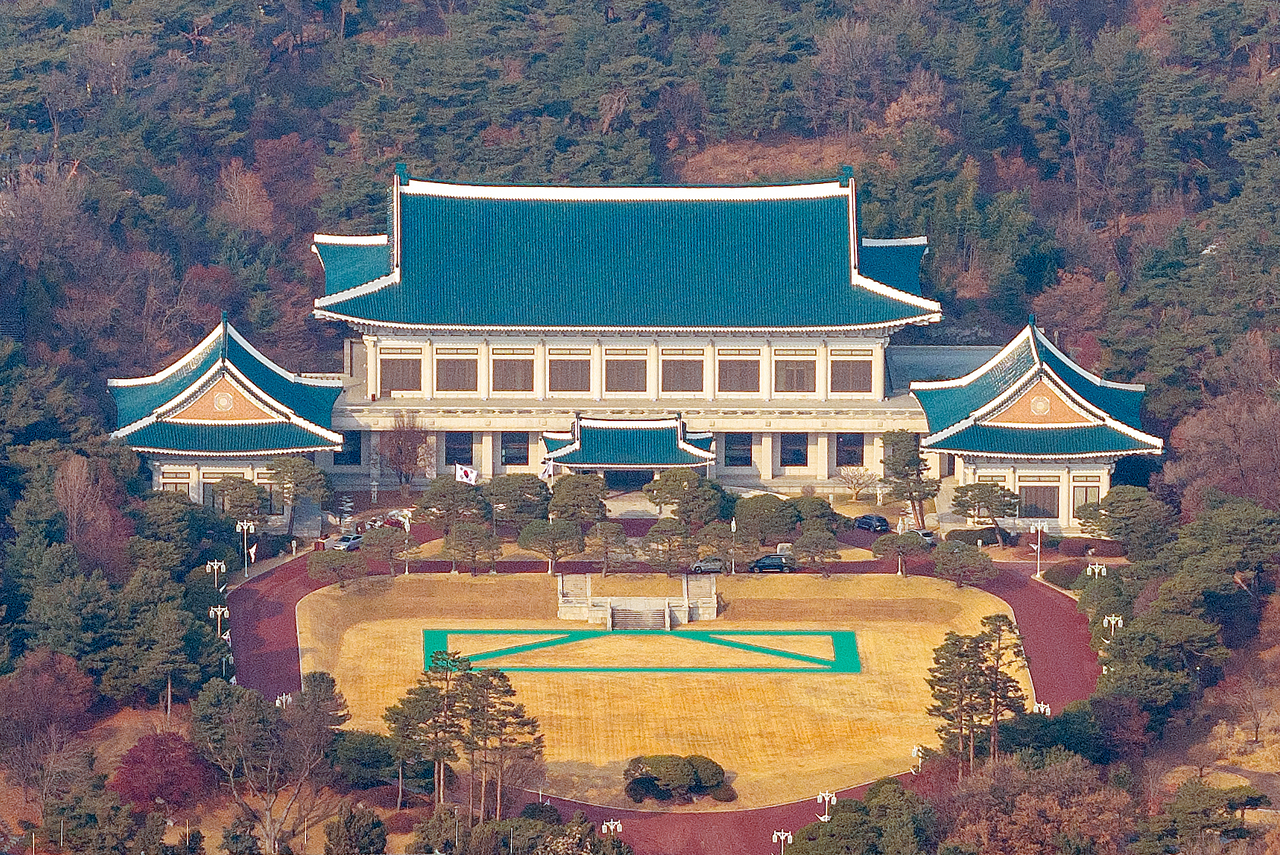 [Herald Economy=Reporter Seok Kyung-won] J.B. Brunson, commander of U.S. Forces Korea, triggered controversy after saying that, from China’s perspective, Korea “looks like a dagger.” He later offered a public clarification, but the South Korean government has effectively registered its regret.
On the 30th, the Blue House said that National Security Office Director Wi Seong-rak, together with the Defense and Foreign ministries, conveyed Seoul’s position on Brunson’s remarks to U.S. counterparts through diplomatic and security channels.
The government is believed to have used those channels to express regret and concern to both the U.S. government and Brunson’s office, and to request restraint.
A Blue House official would not confirm the specific contents of consultations conducted via those channels, but said the administration was aware of Brunson’s recent public statements and that officials at multiple levels have been communicating on related issues.
On the 22nd, Brunson appeared on a podcast hosted by the U.S. Army War College and said, “When they (China) look from their east coast, what they see is Korea — a dagger at the heart of Asia — and Japan, which serves as a kind of shield and, when they try to project beyond the South China Sea, acts like a bulwark.”
In May of last year, he also described Korea’s geographic position as strategically important, likening it to an island floating between Japan and mainland China or to a fixed aircraft carrier.
Analysts interpreted Brunson’s “dagger” remark as reflecting the U.S. view of Korea’s strategic value in countering China.
Critics, however, said the comments were inappropriate because they emphasized only the U.S. perspective rather than South Korea’s sovereign strategic judgment or Seoul–Beijing relations.
The Chinese Embassy in South Korea pushed back, accusing Brunson of portraying South Korea and U.S. forces on the peninsula as a “forward base” aimed at China, and through some Korean media saying, “Your remarks clearly crossed the line.”
Bu Seung-chan, spokesman for the ruling Democratic Party, issued a statement expressing regret over Brunson’s remarks, saying they “arbitrarily defined the Republic of Korea’s strategic standing, infringed on our people’s sovereignty and even created diplomatic tension,” and stressing that “the Republic of Korea’s foreign and security policies are decided only by its sovereign people.”
He also criticized China’s response, saying, “The Chinese government’s decision to criticize the U.S. through its embassy in Korea and to target Korean media is not appropriate. While it is clear the remarks were aimed at China, attempting to pull Korean public opinion into this dispute falls short of the diplomatic restraint expected of a neighboring country.”















Most Commented