
Discover the Unique Flavors of Seoul: A Guide to 신당동, 장충동, and 남대문시장의 Iconic Food Alleys
Daniel Kim Views
Translation result
When a neighborhood instantly brings one dish to mind, that connection becomes the area’s superpower. Among Seoul’s many alleys, Shindang-dong, Jangchung-dong and Namdaemun Market each have such strong identities that the food often gets named before the place does.
These alleys aren’t just collections of popular eateries. They’re historical spaces shaped by postwar poverty, the rush of industrialization and the gritty lives of everyday people. Here’s how three of Seoul’s iconic food alleys got started and grew into what they are today.
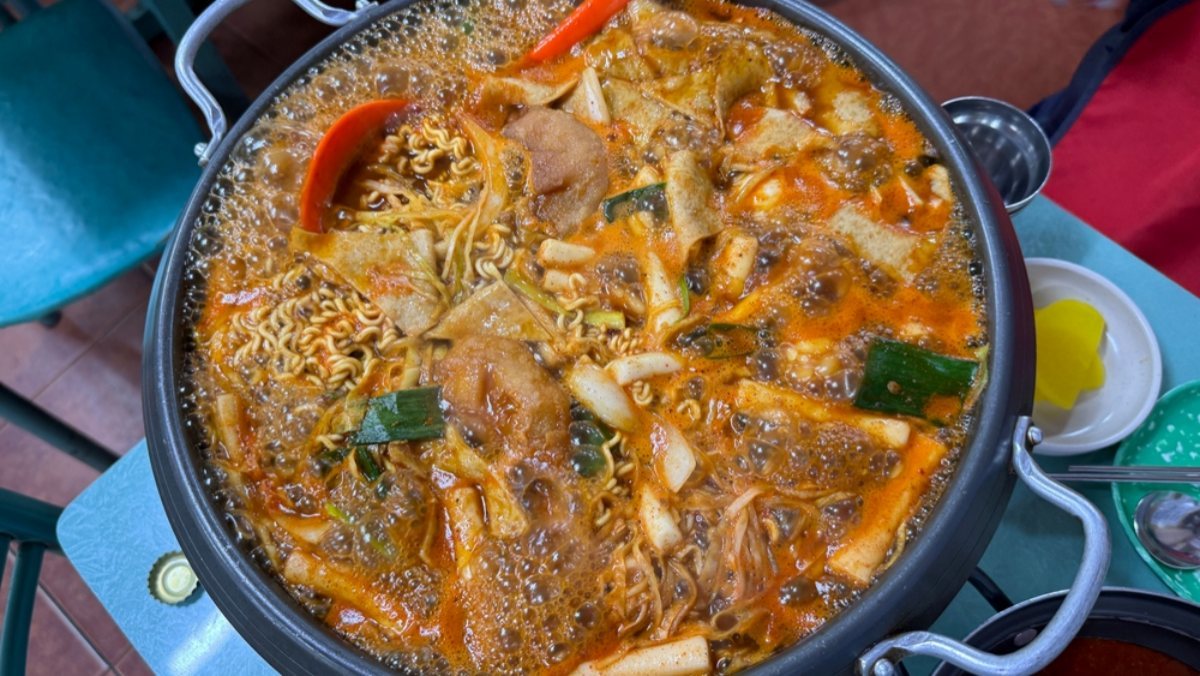
The story of Shindang-dong tteokbokki goes back to 1953. Right after the Korean War, when survival was a daily struggle, the late Ma Bok-rim opened a street stall in Shindang-dong — and that humble start grew into the neighborhood’s signature dish.
There’s a famous origin tale behind the sauce we know today. Early on, Ma was eating jjajangmyeon (black-bean sauce noodles) at a noodle shop and accidentally dropped a piece of garaetteok (cylindrical rice cake) into the jjajang bowl. Not wanting to waste it, she tasted it and found the flavor was deeper and richer than when she used gochujang alone. That experiment led her to blend chunjang (black bean paste) into gochujang, creating the dark-red, savory-sweet sauce that defines Shindang-dong tteokbokki.
The alley evolved again in the 1970s. Vendors moved from serving finished plates to the interactive “instant tteokbokki” format, placing portable gas stoves at tables so diners could cook right there. In the 1980s the alley hit its stride: dozens of tteokbokki joints popped up, each installing “DJ boxes” to play music, and the area became a beloved date spot for young people. What started as a simple comfort food scene became a symbol of youth culture.
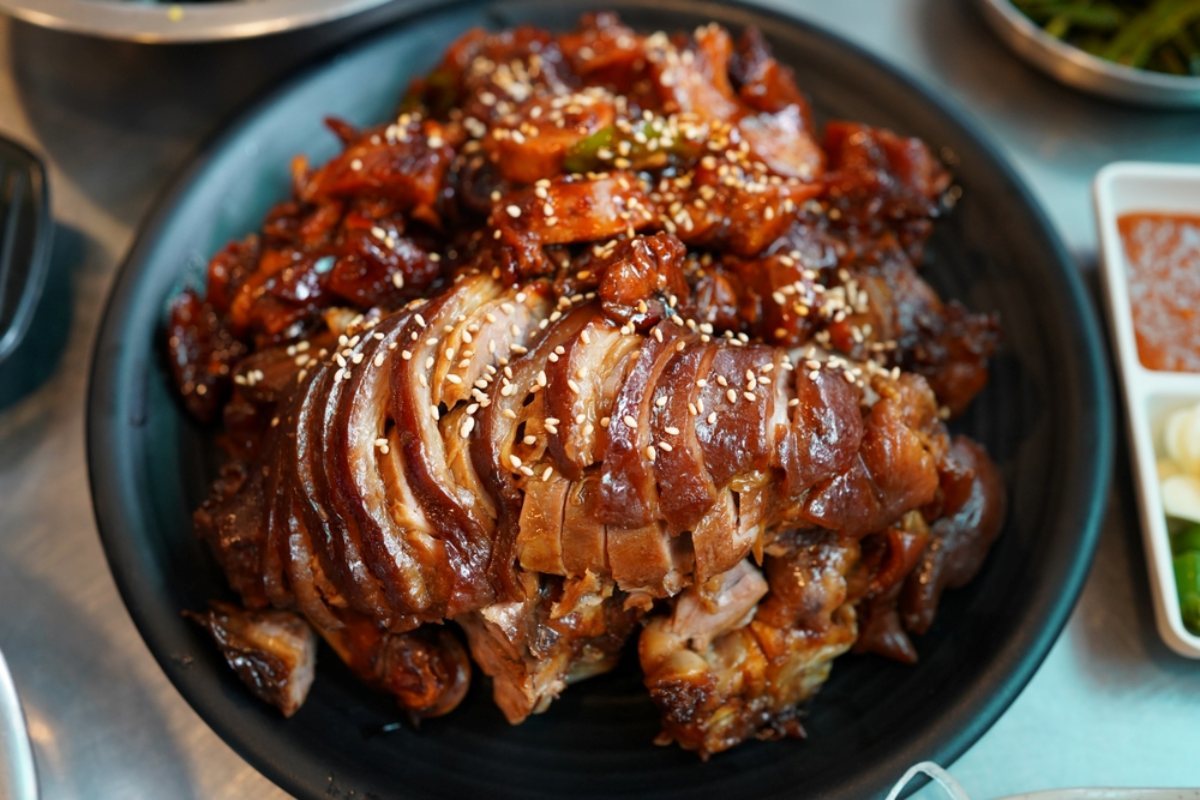
Jangchung-dong’s jokbal alley began forming in the early 1960s. Its founders were displaced people who had come south from the North. Women from Pyeongan-do and Hwanghae-do started selling the pork-trotter dishes they loved back home to make ends meet.
The alley took off when Jeon Suk-nyeo — nicknamed “Fat Grandma” — opened her shop in the early 1960s. Back then, jokbal in Jangchung-dong tended toward the saltier, soy-based flavors of North Korea rather than the sweeter versions common today. The real turning point came in 1963 with the opening of Jangchung Gymnasium.
Jangchung Gymnasium became a hub of Korean sports. On days with basketball, volleyball or wrestling matches featuring Kim Il, crowds flocked to the neighborhood. After games, hungry and energized spectators spilled out into the streets, and jokbal was the perfect late-night bite: affordable, shareable and filling. Word of mouth spread, new jokbal shops opened nearby, and the street transformed from a survival tactic for displaced residents into a national late-night favorite.
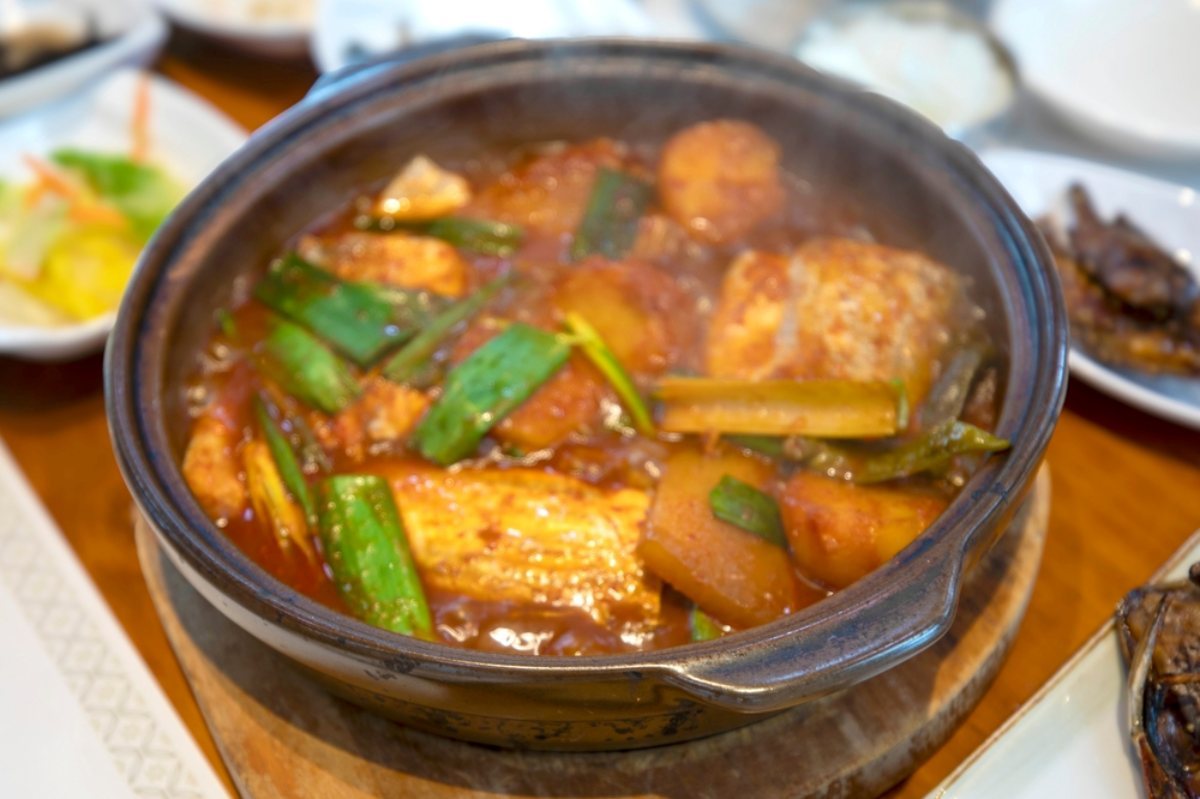
Namdaemun Market, one of Seoul’s oldest markets, gave rise to another famous alley around the time of the 1988 Seoul Olympics: the braised cutlassfish alley. Tucked into narrow lanes around the market’s main shopping area, the alley began to take shape in the mid-1980s after restaurants specializing in braised cutlassfish gathered around Hee-rak Restaurant.
At the time, cutlassfish was one of the most affordable and accessible fish for ordinary Koreans. Market vendors worked long days behind stalls barely larger than a single pyeong (roughly 35 square feet), so they didn’t have time to leave for long meals. Restaurants adapted by developing bold, punchy seasonings to match those hurried appetites. In dented aluminum pots, they layered large chunks of radish, added cutlassfish and generous amounts of spicy red pepper powder, then braised the mix until it concentrated into a revitalizing side dish that helped market workers power through the day.
Using aluminum pots wasn’t for show — it was practical. Aluminum’s quick heat conduction meant food reached a boil fast, perfect for busy vendors. After the alley started getting national media attention in the 1990s, the cutlassfish restaurants that once served only market workers became must-visit spots for food lovers across the country. Even today, long lines form along the narrow lanes at lunchtime — a vivid sign of Namdaemun Market’s vitality.
Shindang-dong, Jangchung-dong and Namdaemun Market’s food alleys all emerged through hardship and change. An accidental flavor invention built a tteokbokki town, homesick cooking turned jokbal into Jangchung-dong’s emblem as it meshed with sports culture, and a dish designed to fuel market workers became a can’t-miss stop for visitors to Seoul.
Your daily personal horoscope — how will your day unfold?










Most Commented