
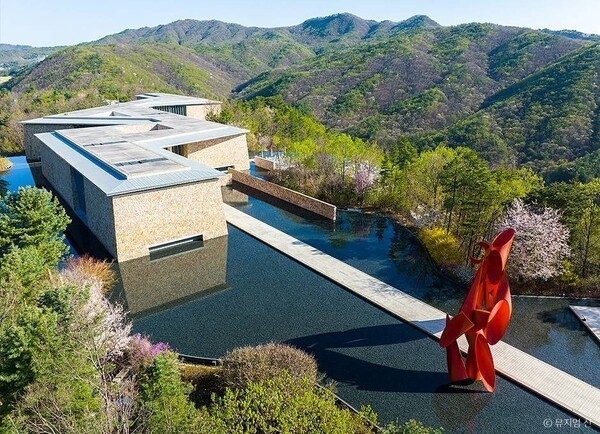
Tucked into the mountains outside Wonju, Museum SAN weaves architecture, art, and nature into one immersive story. Far from the city’s rush, it gently slows your pace—and the way you see.
Tadao Ando’s minimalist vision is everywhere: raw concrete, carefully controlled light, and clean geometry that balance tension with tranquility. Rather than overpowering the landscape, the architecture frames it, serving as a stage for experience instead of a static monument.
James Turrell builds on that idea. His light installations don’t simply illuminate objects; they reshape perception, turning sight into a lived, almost tactile awareness.
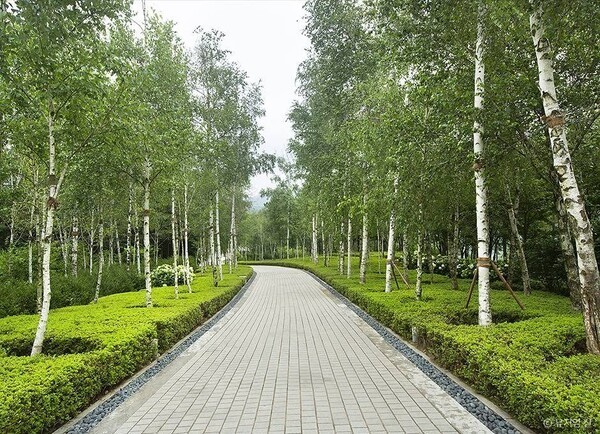
The shift begins at the Welcome Center. As you walk the forest path, your pace slows and attention drifts to the air, the light, the act of moving—walking itself becomes part of the visit.
In the Flower Garden, the seasons speak the loudest. Blooms and sculptural forms soften the space, turning the visit from a destination into a lingering experience.
The Water Garden delivers one of the site’s signature moments. Sky and structure mirror on a still surface, blurring edges and creating a sense of suspension—the main building seems to float, briefly untethered from time.
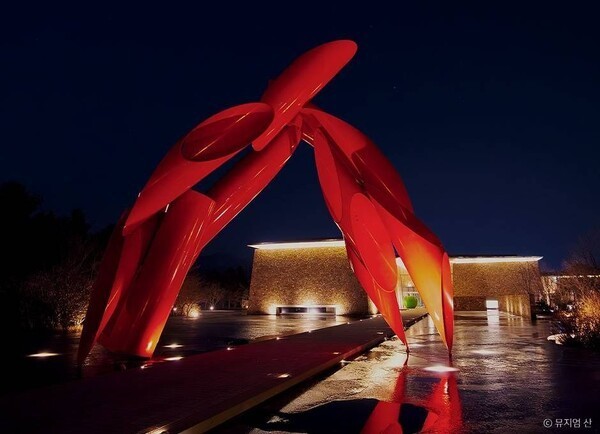
Approaching the main building, the spatial tension sharpens. Circulation is deliberately choreographed to guide sightlines and feeling—movement becomes intentional, almost composed.
Inside, four interconnected wings—square, triangular, and circular—translate the architect’s desire to link human presence with nature and the cosmos into something you can walk through.
Exhibitions span the Paper Museum, dedicated to hanji, through to contemporary installations. Tradition and contemporary practice coexist within a continuous flow, so visitors experience both in a single, seamless sequence.
Media and installation works interrupt conventional viewing. Light, imagery, and material collide to provoke sensory and cognitive engagement rather than passive looking.
Hands-on programs—print workshops and guided tours—invite active participation and deepen your connection to the space.
The café terrace is where you exhale. Framed by mountain views, it gives you room to process the sensory build-up, with nature acting as an extended exhibit.
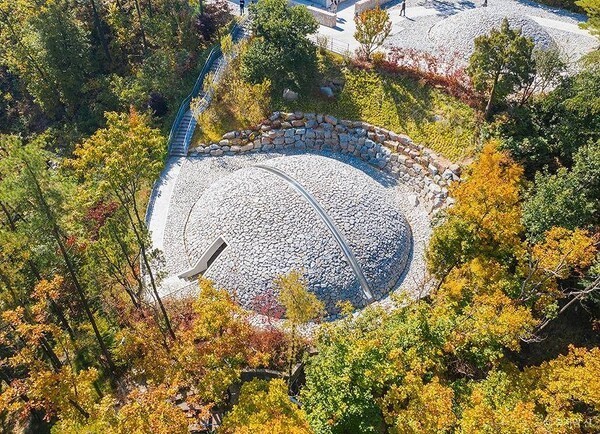
The Stone Garden deepens the mood. Built mainly from stone, it emphasizes weight and stillness over visual stimulus, naturally slowing pace and sharpening perception.
In the Meditation Hall, external stimuli are pared down. Sound, scent, and light are carefully balanced to release tension; a curved window frames the landscape, reinforcing a calm, focused state.
Meditation sessions run on fixed schedules with limited capacity, preserving intimacy and maximizing the hall’s restorative effects.
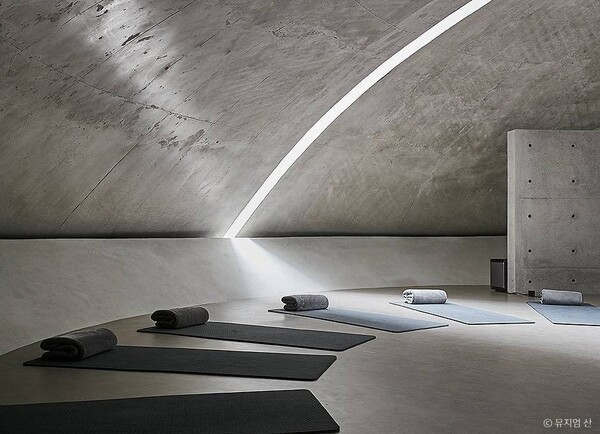
The James Turrell Pavilion is the conceptual heart of the site. Rooms flooded with light unsettle familiar reference points and invite a new kind of seeing.
Installations like the Ganzfeld and Horizon Room erase spatial boundaries, disorienting direction and heightening awareness of your own presence.
The full circulation route covers roughly 2.5 kilometers, asking for sustained time and attention. The visit accumulates—it’s a practice in encountering both space and self, not a quick tour of exhibits.
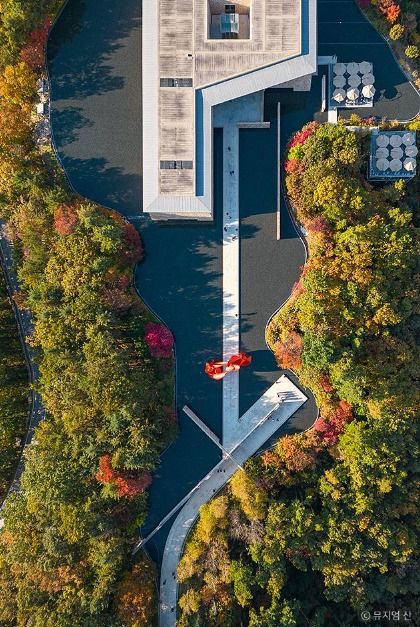
Season and weather transform the experience. Bright days sharpen light and structure; overcast skies thicken silence and spatial density—each visit can feel like a new exhibition.
About a 90-minute drive from Seoul, the museum offers a clear contrast to urban tempo; the short trip underscores the shift in pace.
Museum SAN asks you to slow down, recalibrate perception, and reconnect with space, light, and your senses.
Reported by News Culture M.J._mj94070777@nc.press










Most Commented