
Translation result
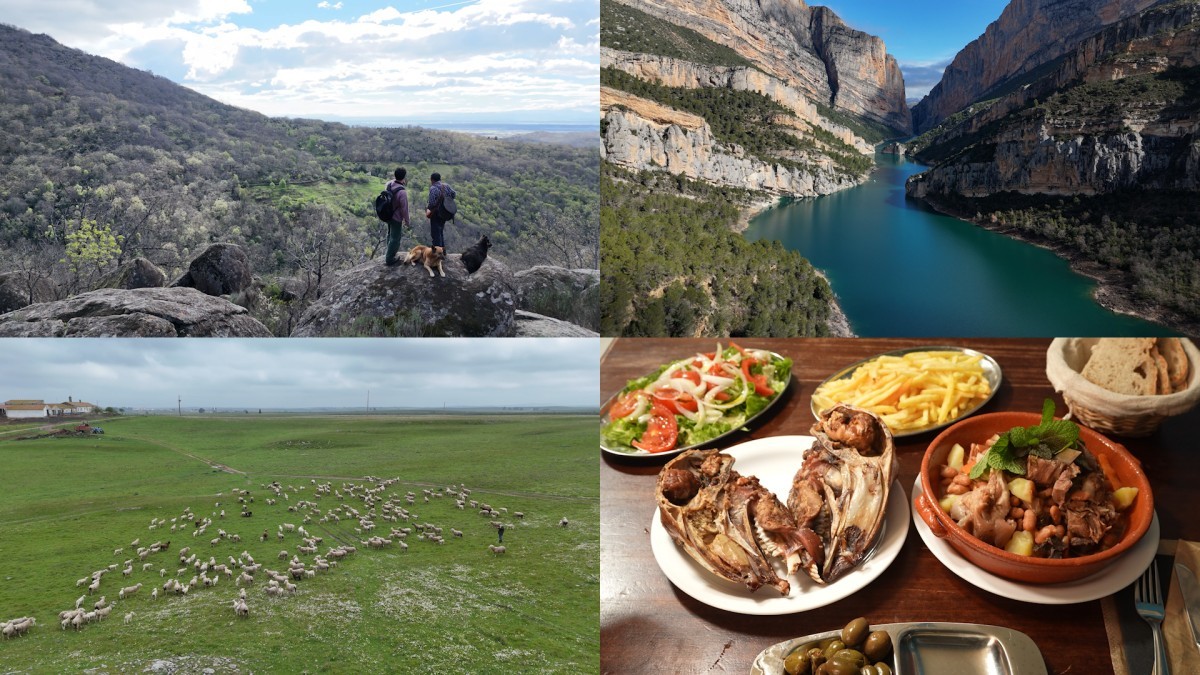
What starts as footsteps along a mountain track gradually becomes a region’s living history, and the meals served along those routes turn into culture. On the Iberian Peninsula, centuries of life have been woven through the daily rhythms of shepherds. Episode 2 of EBS1’s four-part series World Thematic Travel: Tasting Spain and Portugal steps away from glamorous cities and turns its attention to the humble, evocative tables of shepherds who move between mountain and plain.
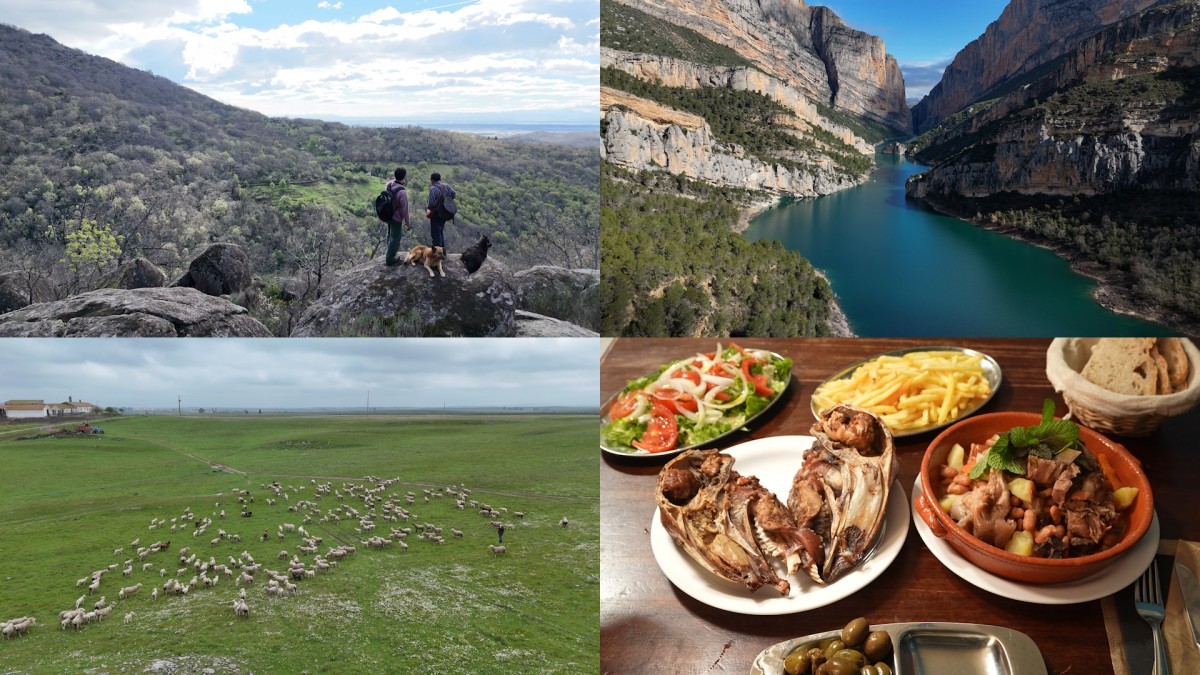
The Shepherd’s Table, airing on the 28th, opens in the Spanish village of Gijo de Santa Bárbara. True to a landscape shaped by pastoralism since the Neolithic, the mountain tracks here are more than routes—they’re a way of life and a record of history. Miguel, an elderly shepherd who leads his herd of goats into the high pastures each day, still follows traditional herding methods. Because goats graze by uprooting plants, the flock must keep moving rather than stay in one place; hiking the slopes seven hours a day naturally keeps the body strong. What might look like simple labor is also a method of guarding the mountains and preserving the local ecology.
Herding follows practical rules, too. Shepherds must cull a certain number of young goats since most animals are raised for milk, making population control essential. That necessity gave rise to a culinary tradition of eating kid. In the episode, a chef transforms the grandfather’s prized ingredients into roast goat and a rich stew—a meal that does more than satisfy hunger; it lays out the survival logic of shepherding on the table.
The journey then moves to the Montrebei Gorge in northern Spain. Cradled by the Pyrenees, this area still holds the seasonal paths once used by shepherds. Today they’re known as trekking routes, but traces of everyday life remain etched along the trail. Walk with Javier, who remembers the gorge as his childhood playground, and you encounter stories that go beyond breathtaking views. Though dam construction in the 1960s altered the scenery, the movement and memories of shepherds remain woven into these paths.
From there, the trip crosses to the plains of southern Portugal. Around Beja, the broad pastures support a different style of herding than in Spain’s mountains: flocks graze across open fields, and around Castro Verde you can spot sheep almost anywhere you look. Locals commonly use borrego—lambs under one year old—as the main ingredient. One striking dish is roasted sheep’s head. It may feel unfamiliar at first, but it comes from a culture of using the whole animal—an expression of respect for valuable livestock and a concentrated taste of shepherd life on a single plate.
Through shepherding—the daily climb of mountain labor, rules passed down through generations, and the tables those practices produce—World Thematic Travel traces life on the Iberian Peninsula. What appears simple on the surface actually reflects a deep, ongoing conversation with nature.
The Shepherd’s Table, which captures shepherds’ lives and food culture across mountains, gorges, and endless plains, will air at 8:40 p.m. on the 28th.
※ This article was written without receiving any compensation.















Most Commented