
Why Ukraine’s Skeleton Star Was Banned from Wearing a Tribute Helmet at the 2026 Olympics
Daniel Kim Views
 |
| Photo: Getty Images |
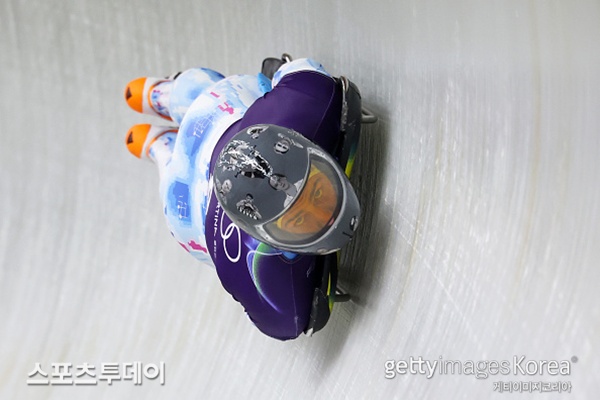
Ukrainian skeleton athlete Vladyslav Heraskevych faced a ban after wearing a helmet featuring faces of compatriots killed in the Russian invasion during practice for the 2026 Milan-Cortina Winter Olympics.
On February 10, Heraskevych sported the controversial helmet during a training run at the Cortina Sliding Center in Italy. The helmet displayed images of Ukrainian athletes who lost their lives in the ongoing conflict.
In a Reuters interview, Heraskevych stated, “Some of the people on this helmet were my friends. I’m keeping my promise to raise awareness about the war through the Olympics.”
This marks Heraskevych’s third Olympic appearance, following his participation in the 2018 PyeongChang and 2022 Beijing Games. During the Beijing Olympics, he also made headlines for displaying an anti-war message.
Despite his intentions, Heraskevych will not be permitted to wear the helmet depicting fallen athletes during competition.
The International Olympic Committee (IOC) Olympic Charter, Article 50, Section 2, prohibits any form of demonstration or political, religious, or racial propaganda in Olympic venues and facilities.
The IOC ruled that Heraskevych’s helmet violated these regulations and informed him it could not be used in competition.
Ukrainian President Volodymyr Zelenskyy commended Heraskevych’s efforts, saying the athlete “showed the world the cost of our struggle” through his helmet design.
[By Sports Today Reporter Kang Tae-gu sports@stoo.com]











Most Commented