
Translation result.
 |
| (Photo=Yonhap News) |
[Alpha Economy (Kobe) — Correspondent Woo So-yeon] The Japanese government presented a summary of key points on implementing a tax credit that would incorporate direct cash payments at a cross-party National Social Security Council working-level meeting on the 20th, Nikkei reported on the 21st. The government says it will prioritize support for low- and middle-income households by introducing direct cash payments first and defer the tax-credit element—originally intended to achieve income redistribution—for the time being.
Working-level officials from both the ruling and opposition parties met the same day to discuss the proposal. The Liberal Democratic Party’s tax affairs committee chair, who chaired the meeting, said afterward that he believes the parties are broadly aligned on that direction. The government and the parties are aiming to complete an interim policy design by this summer.
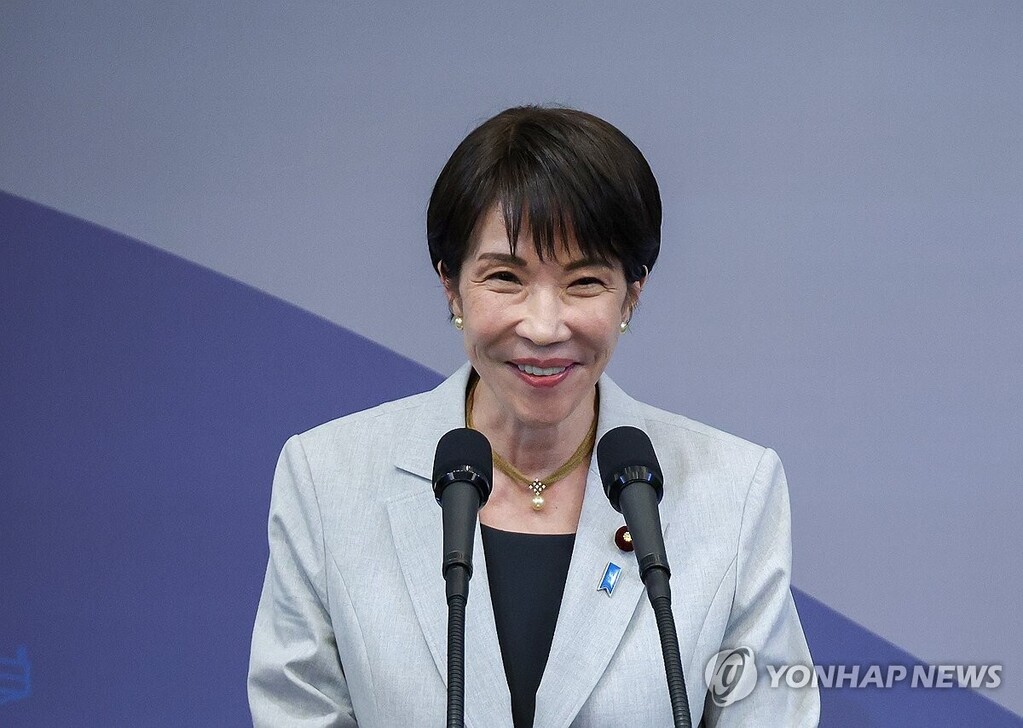
The summary states the plan would integrate payments to deliver more precisely targeted, income-linked support. The tax-credit scheme that includes cash payments was a pledge Prime Minister Sanae Takaichi made during the February lower-house election. But debate over postponing the rollout has continued; groups such as the Japan Chamber of Commerce and Industry argue that imposing additional administrative burdens on small firms already facing labor shortages is unacceptable.
On prospects for the policy, the committee chair said he expects further review as the system is developed, signalling that a tax-credit component could be reconsidered after cash payments are implemented.
Experts, however, warned that effectively abandoning the tax-credit element would carry significant drawbacks. At an expert panel on the 19th, some participants said relying solely on cash payments might keep administrative burdens concentrated at local governments. They also warned the move would reduce the opportunity for a fundamental shift toward a tax system centered on low-income households.
The summary left open the possibility of including low- and middle-income older workers among eligible recipients. It also said officials will consider child-related top-ups based on the number of children in a household. The report recommends reassessing existing programs such as child allowances and examining whether a tax-credit option that incorporates cash payments should be part of that review.
Officials will also compare the burden on dual-income families raising children with that in four major OECD countries. Because households with average annual incomes of 5.4 million yen or less (about USD 36,180) face higher burden rates, observers expect that threshold could be used as one criterion for additional payments. Authorities have not yet decided which body will administer the payments; the current proposal is for the national government to build the infrastructure while local governments handle resident outreach and casework.
Most Popular Articles
- Korea INEDIT expands into Japan, raises 1 billion yen to boost AI features and marketing (about USD 6.7 million)
- Mitsui & Co. (8031 JP) merges with France’s SEBA, sharing sales networks to accelerate its global push
- Bandai Namco (7832 JP) snack sales have doubled over five years












Most Commented