
|
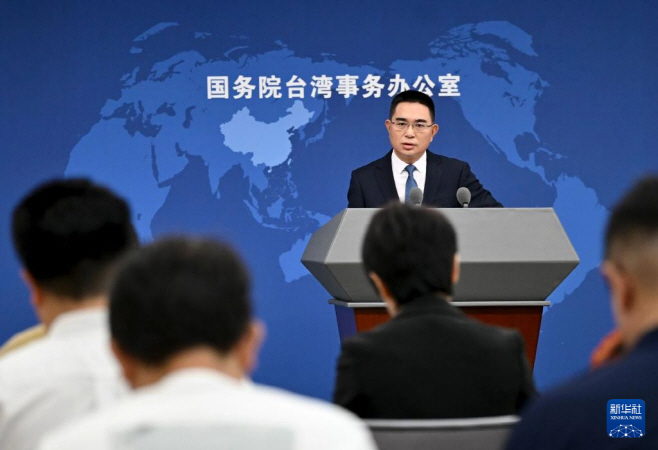
Beijing sources familiar with cross-strait affairs told reporters on the 29th that the Taiwan Affairs Office recently replaced function-based names for 12 bureau-level units with a numbered system, creating a new Bureau 10 to oversee mainland study, internships, employment and entrepreneurship for Taiwanese residents.
Under the reorganization, the former Secretariat was redesignated as Bureau 1, the General Affairs Bureau as Bureau 2, the Research Bureau as Bureau 3, and the Press Bureau as Bureau 4. The Economic Bureau was renamed Bureau 5, the Hong Kong, Macau and Taiwan Affairs Bureau became Bureau 6, the Exchange Bureau became Bureau 7, and the Liaison Bureau became Bureau 8.
In addition, the former Legal Affairs Bureau and the Civil Petition Mediation Bureau were merged into Bureau 9. The Party Affairs Bureau was redesignated as Bureau 11. That leaves only the Organization Department (Personnel Bureau) retaining its original name.
The Taiwan Affairs Office described the reorganization as a routine adjustment driven by operational needs, saying it will fully implement General Secretary and President Xi Jinping’s guidance on Taiwan and the Communist Party’s comprehensive strategy for addressing Taiwan issues in the new era. The office said it will carry out the central leadership’s Taiwan policy decisions and execute Taiwan-related work steadily.
Regarding the new Bureau 10, the office added that it aims to help Taiwanese compatriots better share the opportunities presented by China’s modernization and partake in the mainland’s development gains.
The reorganization comes after Beijing rolled out a series of preferential policies designed to expand mainland opportunities for young Taiwanese, entrepreneurs and skilled professionals. Analysts say the move reflects an effort to manage services and support for Taiwanese residents more systematically through a permanent administrative structure. It also dovetails with Beijing’s economic cooperation policy toward Taiwan laid out earlier this year in the 15th Five-Year Plan (2026–2030).
At that time, the Chinese government pledged to guarantee equal treatment for Taiwanese residents who study, work or live on the mainland and to promote the resumption of cross‑strait tourism exchanges. The latest organizational changes underscore Beijing’s determination to follow through on those commitments.










Most Commented