
2026 Seoul Education Superintendent Election: High Stakes with 3.6 to 1 Competition Rate
Daniel Kim Views
Translation result
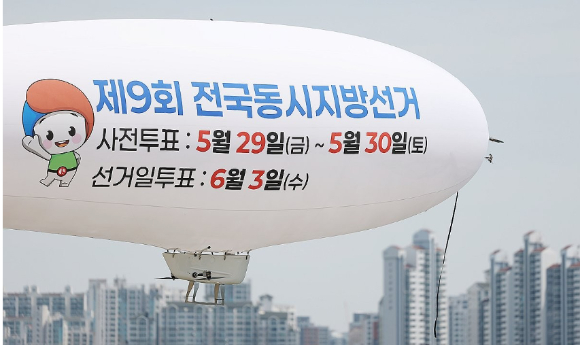
[iNews24 reporter Cho Jeong-hoon] With 16 days remaining until the June 3 local elections, superintendent contests are most competitive in Seoul, according to official data.
As of May 18, statistics from the National Election Commission show 58 candidates running for 16 superintendent posts nationwide—an average of 3.6 candidates per seat. In the previous local election (the 8th, 2022), 61 candidates contested 17 posts, producing the same 3.6-to-1 ratio.
Candidate registration was highest in Seoul with eight contenders, followed by Daejeon with five; the combined Jeonnam–Gwangju district, Sejong, Gangwon, Chungnam, and Gyeongnam with four each; Busan, Daegu, Incheon, Ulsan, Chungbuk, Gyeongbuk, and Jeju with three each; and Gyeonggi and Jeonbuk with two each. In the last local election, Seoul had seven candidates and tied with Gangwon for the highest level of competition.
Seoul superintendent candidates (in ballot order) are: Kim Young-bae, vice president of Yewon Arts University; Han Man-joong, executive representative of the National Coalition for Educational Autonomy Reform; Cho Jeon-hyuk, director of the Seoul Future Education Research Institute; Lee Hak-in, associate professor at Shinhan University; Yoon Ho-sang, adjunct professor at Hanyang University’s Graduate School of Education; Jeong Geun-sik, Seoul superintendent; Hong Je-nam, director of the Together Learning Research Institute; and Ryu Su-no, former president of Korea National Open University.
Because superintendent races are nonpartisan, competition levels vary widely depending on whether candidates consolidate around a single contender. In Seoul, both progressive and conservative camps attempted to present a unified candidate, but late internal disputes prevented consolidation and produced a multi-candidate race.
The field now includes four conservative-leaning candidates, three progressive-leaning candidates, and one late entrant who registered with the election commission. Official campaigning runs for 13 days, from May 21 through June 2, the day before the vote.
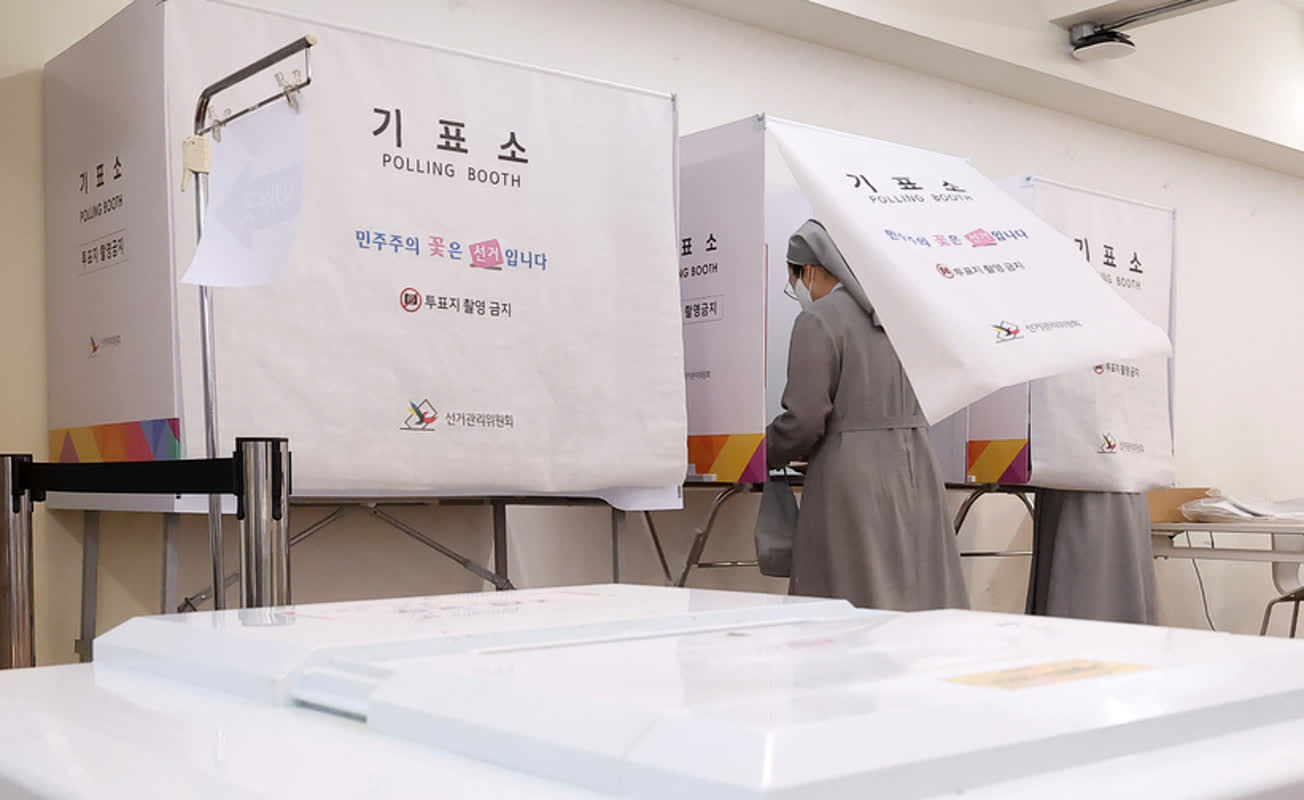
The commission will publish polling-place names and locations and mail absentee ballots by May 24. Early voting is scheduled for May 29–30 from 6:00 a.m. to 6:00 p.m., and voting on election day runs June 3 from 6:00 a.m. to 6:00 p.m. Counting will begin immediately after the polls close and winners will be announced.












Most Commented