
Kevin Warsh’s Fed Chair Nomination: What Changes to Expect in U.S. Monetary Policy?
Daniel Kim Views
Translation result
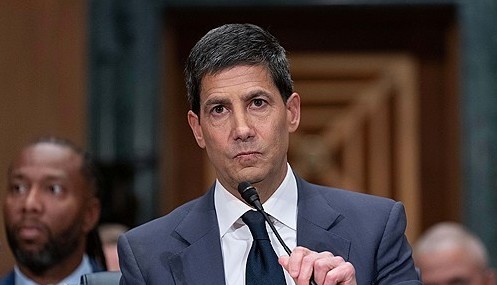
[The Public — Reporter Son Se-hee] The U.S. Senate approved Kevin Wash’s nomination to serve on the Federal Reserve Board, moving the Fed’s leadership transition into its final stage.
On June 12 (local time), Bloomberg and Reuters reported that the Senate confirmed Wash’s nomination to the Fed Board in a roll-call vote of 51 to 45. Fed governors serve 14-year terms.
Confirmation of the Fed chair is conducted separately from the board appointment. The Senate is expected to hold a confirmation vote on Wash’s nomination for Fed chair on June 13. The chair serves a four-year term.
Current Fed Chair Jerome Powell’s term expires on June 15. If the Senate finishes the confirmation process, Wash could assume leadership as soon as this week.
Markets are closely watching whether the new leadership will alter the likely path of benchmark interest rates. President Donald Trump has repeatedly called for interest-rate cuts in public statements.
Analysts note that the Fed’s actual policy stance will depend on inflation and employment trends, movements in Treasury yields, and signs of an economic slowdown. Fed officials have also flagged the risk of inflation re-emerging, suggesting that a rapid shift in monetary policy in the near term is unlikely.
At his Senate confirmation hearing, Wash said, “Presidents generally prefer rate cuts,” but added that “the Fed must protect its independence.” Observers interpret his remarks as a commitment to base policy decisions on economic data rather than political pressure.
The next Federal Open Market Committee (FOMC) meeting is scheduled for June 16–17. If Wash is formally installed as chair before then, that meeting could be the first rate-setting session under the new leadership.












Most Commented