
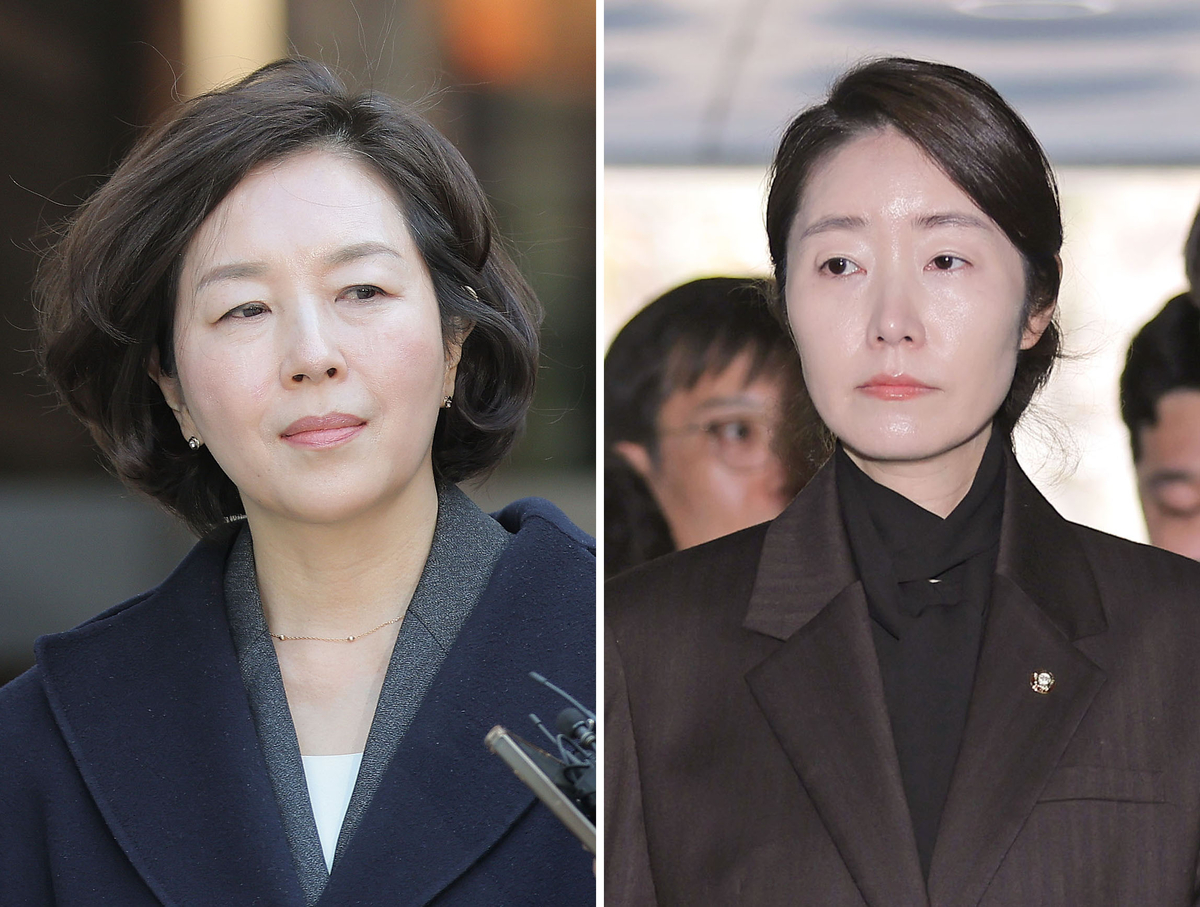
Independent lawmaker Kang Seon-woo and former Seoul city councilor Kim Kyung, accused of exchanging 100 million KRW (about $67,000), were indicted and remain in custody on the 27th.
The Seoul Central District Prosecutors’ Office, Public Investigation Division 2 (Chief Prosecutor Kim Hyung-won), said it has indicted Kang on charges of violating the Political Funds Act, receiving proceeds of breach of trust, and violating the Improper Solicitation and Graft Act. It indicted former councilor Kim on charges of violating the Political Funds Act, mediating the receipt of breach-of-trust proceeds, and violating the Improper Solicitation and Graft Act; both were detained and sent to trial.
Prosecutors also filed charges without detention against Nam, a former aide to Kang, on counts of violating the Political Funds Act, receiving proceeds of breach of trust, and violating the Improper Solicitation and Graft Act. Investigators say Nam received and held 100 million KRW (about $67,000) from Kim’s camp.
According to prosecutors, Kang and Kim met on Jan. 7, 2022, at a hotel in Yongsan District, Seoul, and exchanged 100 million KRW (about $67,000) in return for a party nomination ahead of local elections. The allegation first surfaced on Dec. 29 after a recorded conversation between Kang and Rep. Kim Byung-gi, then the Democratic Party’s nomination committee secretary, was released.
After receiving the case from the police on the 11th, prosecutors conducted more than 20 follow-up investigations, including confrontational questioning of the suspects, and concluded that former councilor Kim handed the 100 million KRW (about $67,000) to Kang.
Although the precise time and place of the handover were unclear, prosecutors said they identified likely circumstances through analysis of objective evidence, including parking entry-and-exit logs, testimony analysis, and on-site verification.
Prosecutors contend that Kang used his influence to secure Kim a single-candidate nomination and election as a city councilor, and that Kang then used the cash for personal purposes.
They considered pressing bribery charges but decided against it, noting that party nominations are internal party affairs and that the conduct was difficult to classify as official duties tied to a lawmaker’s position.
The prosecution described the case as “a grave offense—obtaining nomination rights with money in a process that is fundamental to democracy,” and said it will pursue the indictment to ensure appropriate punishment.












Most Commented