
How BTS’s Gwanghwamun Performance Generated $177 Million: Economic Impact Explained
Daniel Kim Views
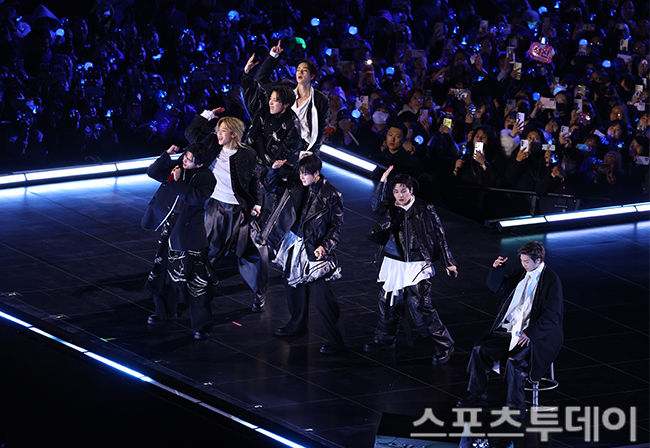 |
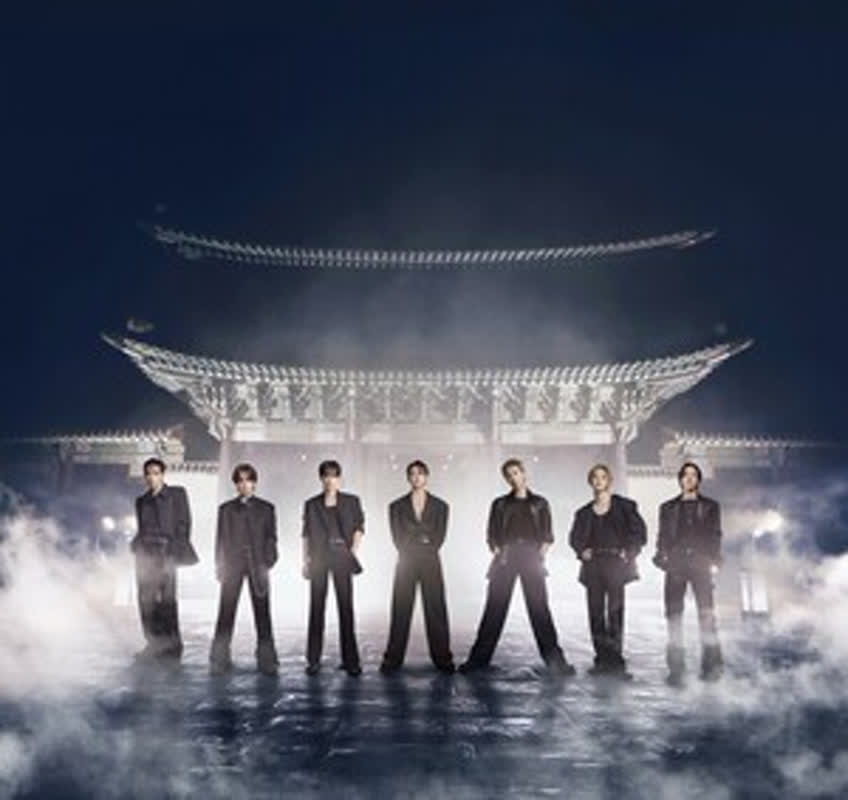
| BTS Gwanghwamun performance / Photo=Korea Online Photojournalists Association joint coverage team |
[Sports Today reporter Lim Si-ryeong] The world was abuzz: BTS delivered a triumphant performance in Gwanghwamun. International outlets praised the full-group comeback not just as a return to the stage, but as a cultural moment that elevated South Korea’s global standing.
On the evening of the 21st at 8:00 p.m., BTS staged a comeback live from Seoul’s Gwanghwamun. HYBE estimated about 100,000 people attended in person, and Netflix live-streamed the concert to roughly 190 countries.
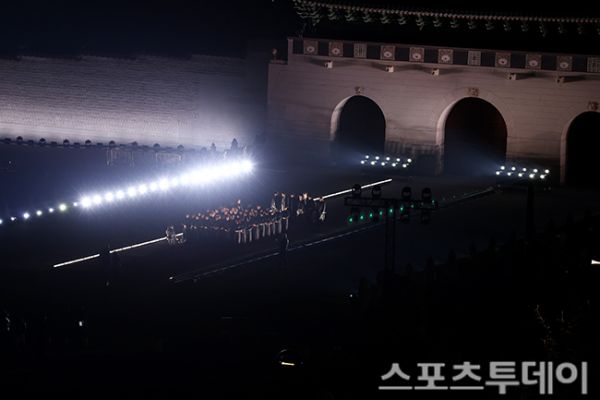
Marking their first full-group release in about four years, BTS put the new album Arirang front and center, leaning into identity and heritage. The seven members wore outfits by Korean designers rather than luxury labels; Gwanghwamun gate formed the backdrop, while statues of King Sejong and Admiral Yi Sun-sin faced the stage. Purple waves swept through the crowd. These elements did not stand alone; they were woven together to underscore Korea’s symbolic legacy and a palpable cultural pride.
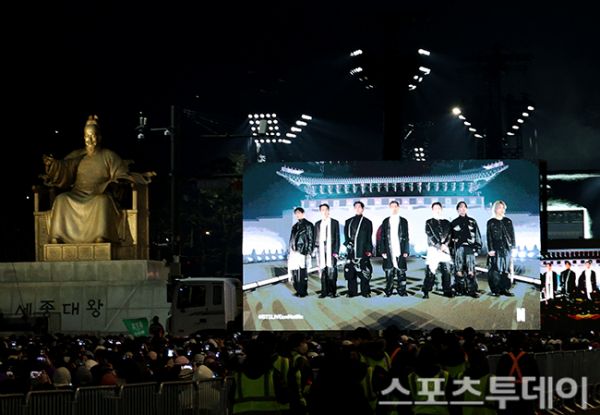 |
Major U.S. outlets and specialist international media have assessed the cultural significance of the show. The New York Times created a dedicated BTS comeback section on its site and described the concert as “a grand return for BTS, a core engine of Korea’s soft power, staged in the historical heart of Seoul.” The paper argued that wardrobe choices, like the selection of venue and album title, were not merely stylistic but a statement about Korea’s cultural identity and stature on the world stage.
The BBC compared the Gwanghwamun staging to the Arc de Triomphe, saying the entire square felt like a temple erected for BTS, and called the honor bestowed on the seven members—a new public face of Korean culture—“rare.”
The show’s overall production was led by Hamish Hamilton, famed for directing large-scale entertainment spectacles such as Super Bowl halftime shows. CNN praised his role as evidence of the performance’s ambitious scale.
 |
Analysts also highlighted the concert’s economic impact. Bloomberg estimated the single Gwanghwamun performance could generate roughly $177 million (approximately 236 billion KRW) in economic benefit, and suggested the full comeback could yield effects measured in the trillions of won, signaling strong global commercial potential. The Wall Street Journal noted that BTS’s renewed prominence underscores their value as a cultural brand representing Korea.
AP, Reuters and Japan’s Asahi Shimbun examined the cohesion and influence of the ARMY fandom. AP wrote that BTS’s return could send substantial ripple effects across the music industry, noting that the group’s global fanbase remains a powerful force. Reuters described that influence as unusually potent even by international music-market standards. Asahi praised the concert as a reaffirmation of BTS’s status as global pop icons.
France’s Le Monde called the comeback “a major event in the flow of global popular culture,” and The Guardian said the performance carried symbolic weight comparable to a Super Bowl halftime show or a major world tour.
BTS will launch the Arirang world tour at the main stadium of Goyang Sports Complex from April 9–12. At the Gwanghwamun concert, the group thanked the ARMY for their patience and vowed to repay fans with music, performances and a world tour, promising many stages fans can enjoy together. The world is watching BTS’s next chapter as they position themselves for what they called “BTS 2.0.”
[Sports Today reporter Lim Si-ryeong ent@stoo.com]
“Closest to you, the most FunFun news ⓒ Sports Today”












Most Commented