
China’s ‘Cost-Effective Pressure’: How Y-9 Flights Are Testing Japan’s Air Defenses
Daniel Kim Views
Translation result
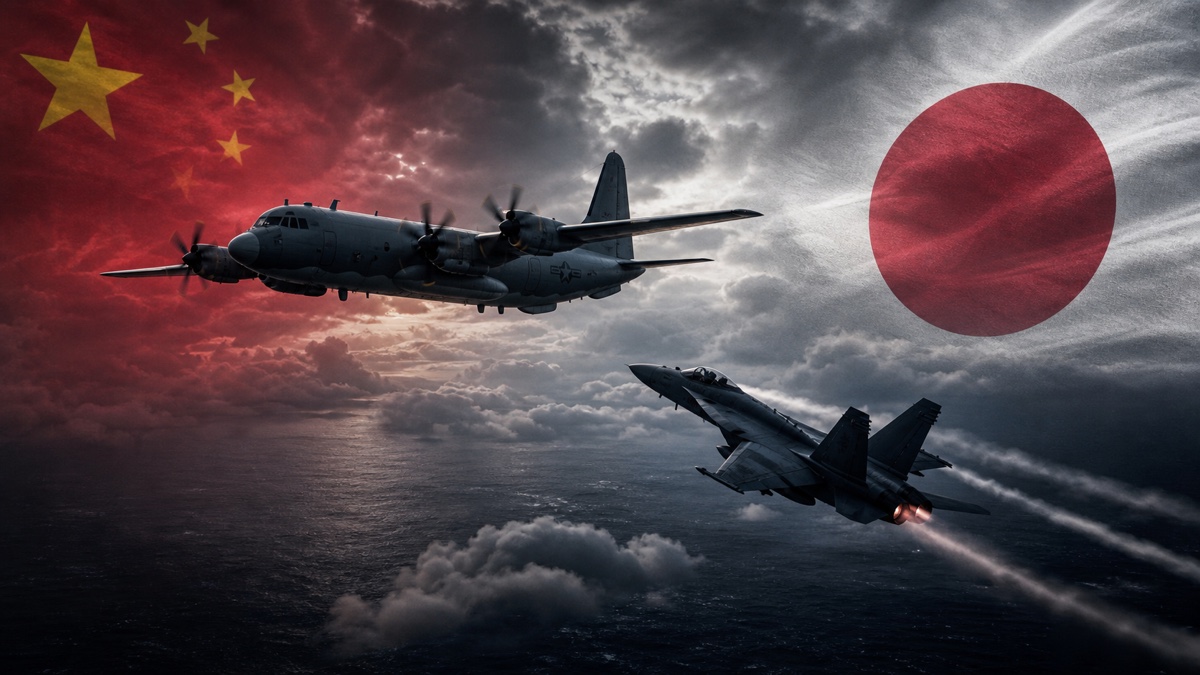
Maneuvers by China’s Y-9 signals‑intelligence aircraft over the western Pacific — and Japan’s routine fighter scrambles in response — illustrate how persistent, low‑level pressure can add up faster than any single, visible clash.
These reconnaissance and signals‑collection flights avoid overt force, but they continually probe the opponent’s air‑defense and communications systems to gauge reactions and vulnerabilities.
Built on a transport airframe, the Y-9 ELINT platform is designed to gather neighboring radar signatures and standard operating procedures during peacetime, giving operators a detailed picture of how air defenses behave.
Japan’s Air Self‑Defense Force scrambles do more than launch interceptors; they execute repeated identification, warning and tracking cycles that are part of a precise, disciplined air‑defense regimen.
Invisible information warfare and the mounting military costs to air-defense networks
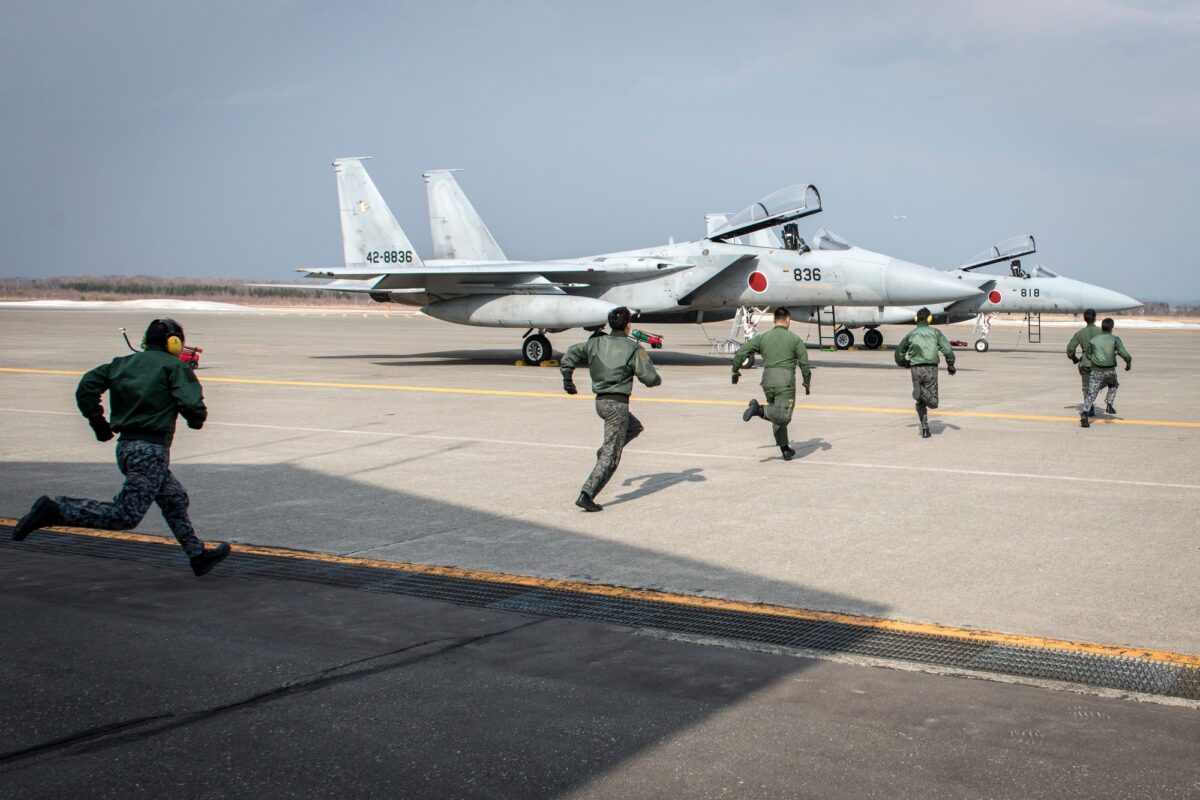
When these aerial cat‑and‑mouse encounters recur, they accelerate airframe wear and shorten service life. They also accumulate fatigue among pilots and maintenance personnel, eroding readiness over time.
Even without direct clashes, routine approach flights force the opponent to absorb substantial tangible and intangible costs — from extra flight hours and fuel consumption to increased maintenance cycles and operational strain.
ELINT missions in particular seek to map an adversary’s patterns: when specific radars go active, how units communicate and what procedural responses are triggered. That behavioral intelligence is prized by planners.
Information gathered in peacetime can serve as a baseline for more complex operations in a crisis, enabling more precise targeting and timing when stakes are higher.
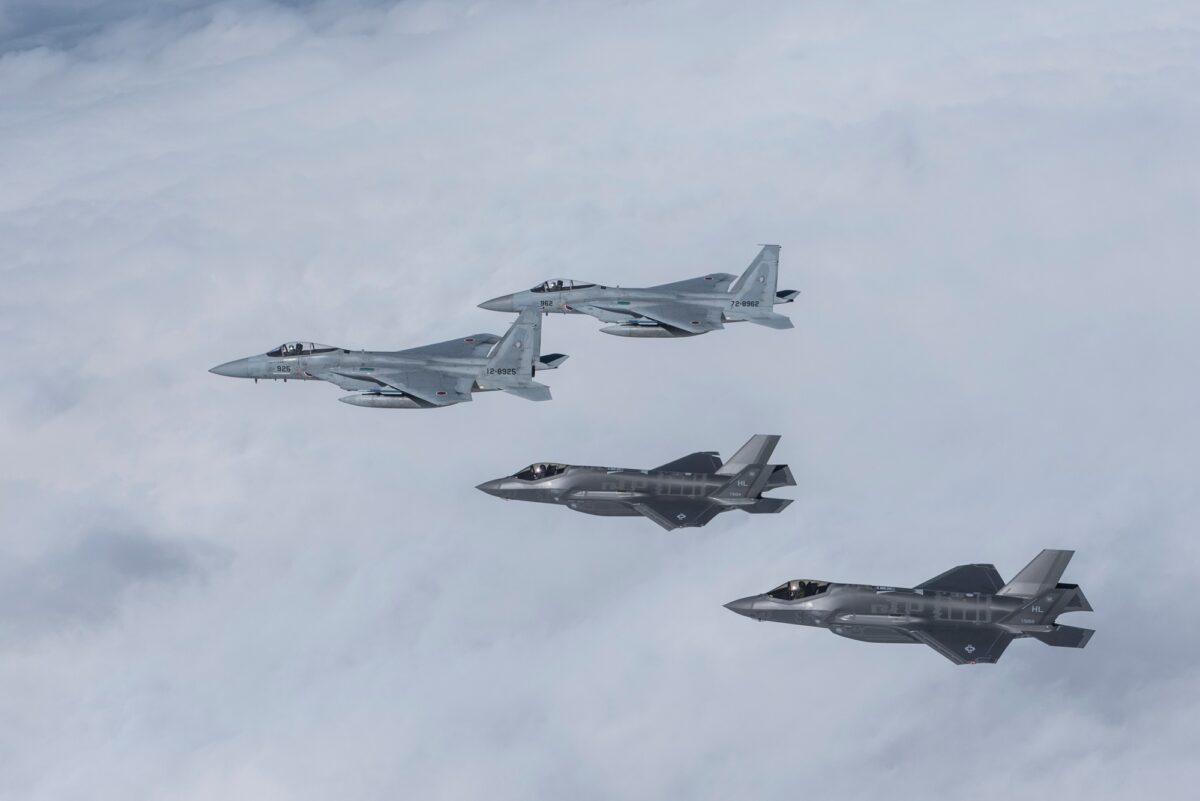
The western Pacific’s geography — dense sea lines of communication and a concentration of U.S. and Japanese bases — amplifies the strategic value of these operations.
As China pushes to extend its influence across adjacent sea and airspace, Japan has moved to beef up defenses across its southwest island chains, including the Senkaku Islands.
Those moves test the U.S.‑Japan alliance’s ability to coordinate responses and tie air pressure to broader maritime activity.
With persistent reconnaissance and frequent scrambles, the risk grows that pilot misperceptions or communication failures will spiral into accidental encounters, highlighting the ongoing need for secure hotlines and strict flight‑safety procedures.
What western Pacific air pressure means for security around the Korean Peninsula
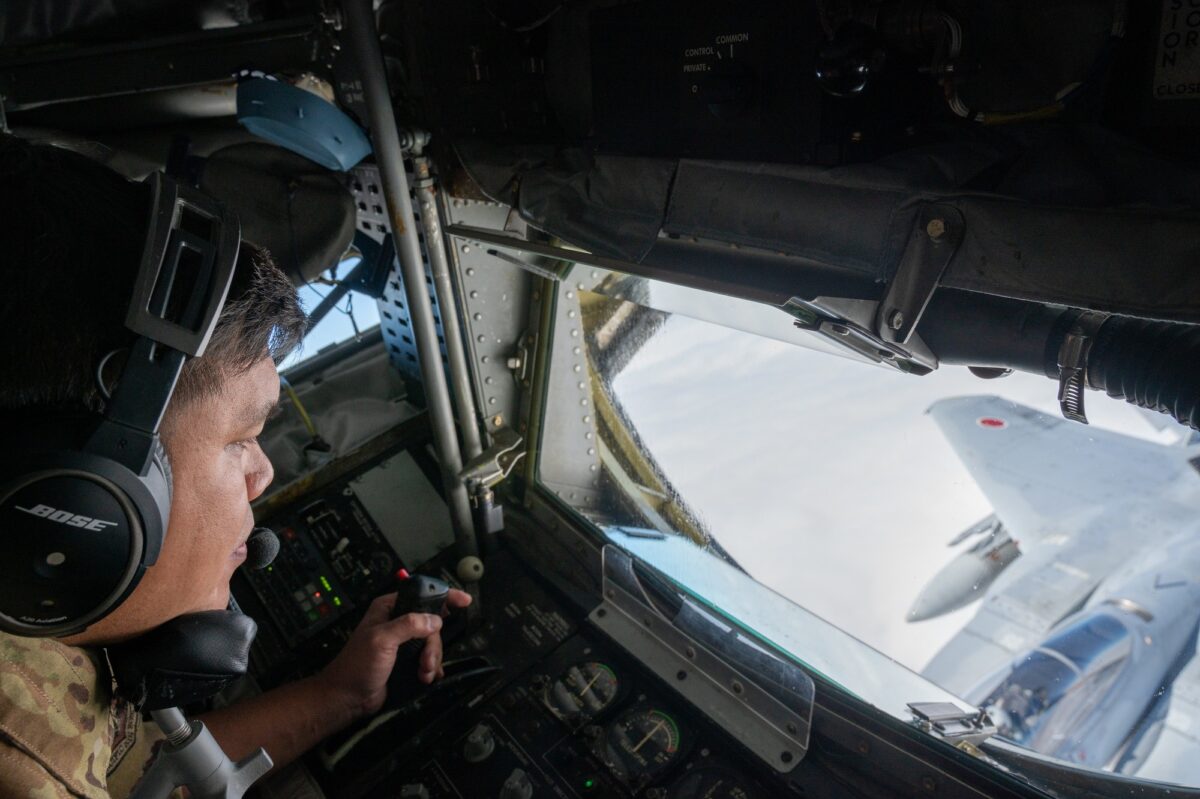
Rising tensions in the East China Sea and the western Pacific could strengthen trilateral security ties among the U.S., Japan and South Korea, and prompt adjustments to U.S. force posture in the region.
Heightened pressure on Japan’s air defenses could drive the U.S. to recalibrate deployments in Northeast Asia, producing indirect effects on the security environment around the Korean Peninsula.
Still, most analysts warn against interpreting these western Pacific maneuvers as an immediate, direct threat to the peninsula. The dominant pattern is gradual: intelligence gathering and attrition, not sudden large‑scale conflict.
Today’s competition often plays out as a quiet struggle for information and endurance — a war of attrition that incrementally reshapes the western Pacific security landscape.
실시간 인기기사
- “They’ll block the lane against Chinese subs”…Why the U.S., U.K. and Australia are risking it all on unmanned undersea forces
- “We want partners, not protectorates”…U.S. defense secretary’s speech shakes up security debate on the Korean Peninsula
- “Is it just about hitting a headcount of 500,000?”…Inside U.S.-ROK anti-drone drills that are raising alarms











Most Commented