
Translation result
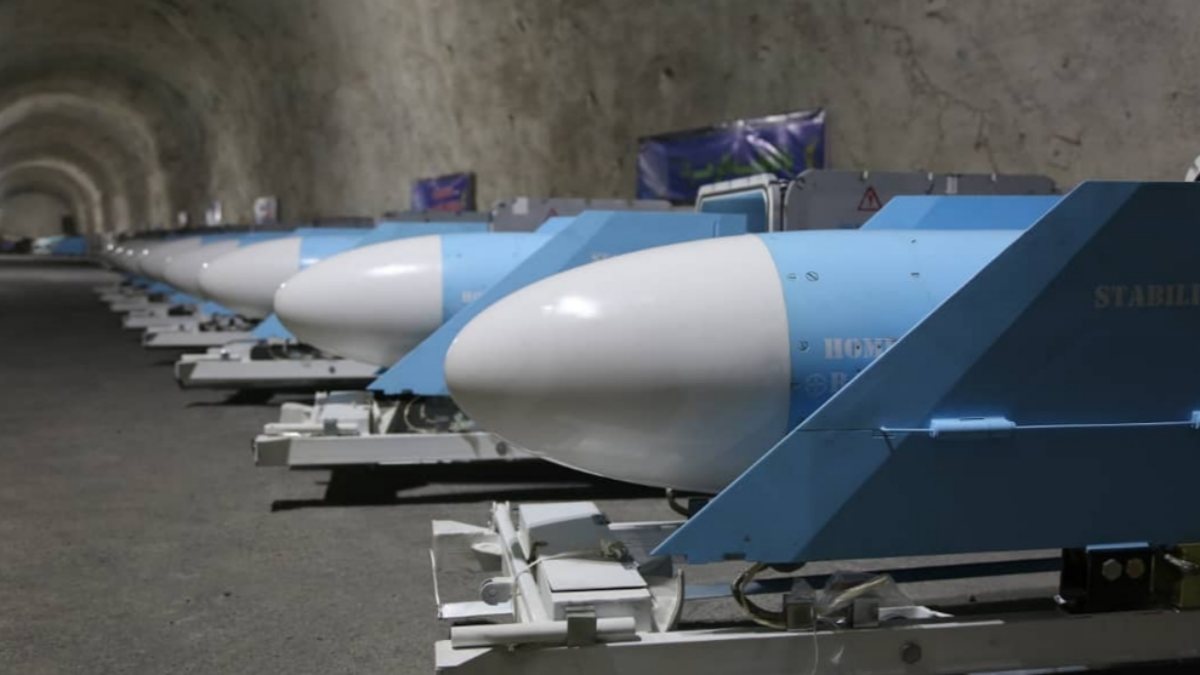
Iran missile-base posture: 30 of 33 sites remain operational
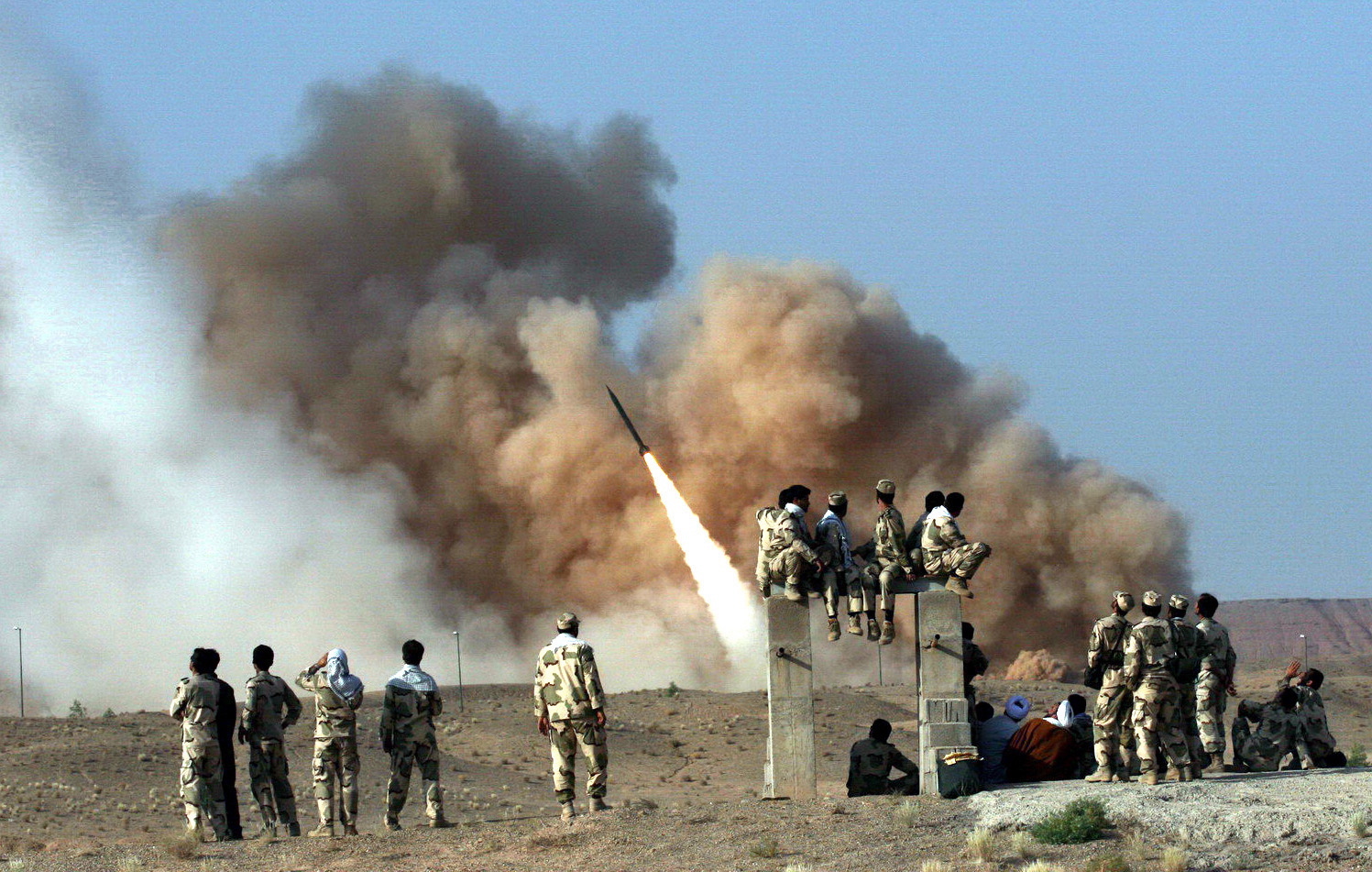
U.S. assessments indicate 30 of Iran’s 33 missile bases along the Strait of Hormuz remain accessible. While the air campaign caused damage, intelligence reports say most underground facilities and launch pads have been repaired to an operational level. Some bases can fire from existing pads immediately, and mobile launchers can be redeployed to other sites. Only three sites are currently assessed as completely inaccessible, so analysts conclude the network was not decisively destroyed.
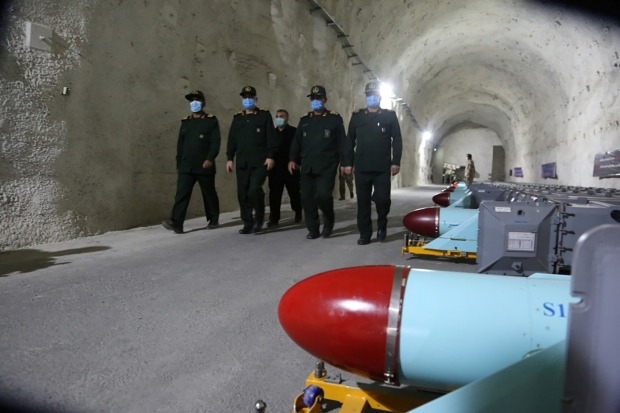
Roughly 70% of stocks and launchers survive — data contradicts “almost exhausted” claims
Intelligence assessments show Iran retains roughly 70% of its mobile launchers and about 70% of its pre-strike missile inventories. That inventory includes long-range ballistic missiles and short-range cruise missiles capable of striking maritime and land targets. Analysts also estimate access to about 90% of underground missile storage and launch facilities. Taken together, these figures undercut claims that Iran’s military capability was left empty.
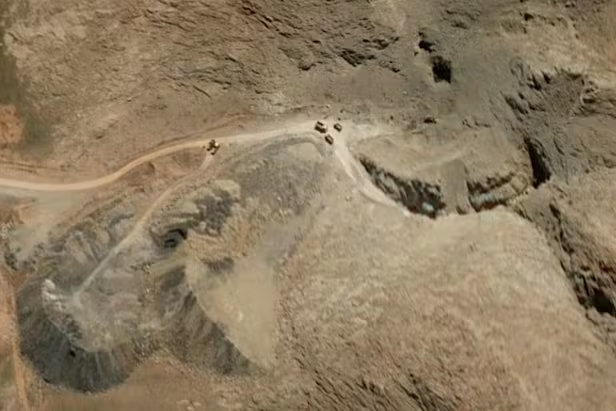
Intelligence assessments vs. Trump and Pentagon statements — which reflects reality?
President Trump asserted Iran’s missile stocks were nearly exhausted and that effective follow-on operations would be impossible. The defense secretary described Iran’s forces as “decisively destroyed,” projecting a narrative of victory. Subsequent intelligence, however, repeatedly reported Iran retained roughly 70% of its stocks and launchers. The discrepancy suggests officials either overstated damage or underestimated Iran’s recovery and reconstruction capabilities. Underestimating an adversary to that degree is risky in operational analysis.

White House rebuttal that Iran was “crushed” reads as political rhetoric
The White House press secretary lambasted anyone who suggests Iran has not been crushed, arguing such views effectively side with Tehran. President Trump went further, calling analyses that showed Iran retained capability “virtually treasonous.” Intelligence documents from the same period, however, assessed that Iran preserved much of its missile and launch capability. That contrast points to a political message aimed at domestic audiences rather than a strictly operational assessment.
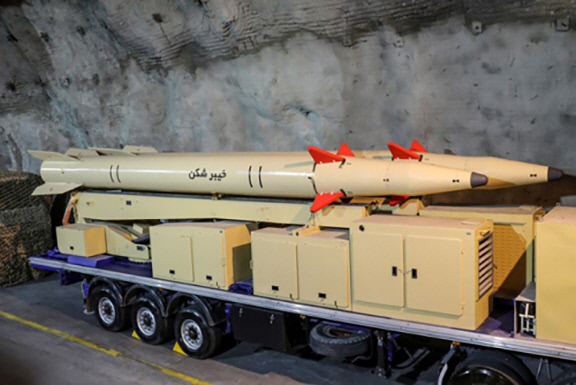
U.S. ammunition drawdown is serious — repeating strikes at short notice is harder
U.S. forces fired roughly 1,100 long-range stealth cruise missiles during the strikes, drawing stockpiles close to reserve levels. They launched more than 1,000 Tomahawk cruise missiles — more than 10 times the typical annual procurement — and expended upward of 1,200 Patriot interceptors. Precision-strike munitions and ATACMS added more than another 1,000 rounds, noticeably reducing margins for long-range precision strikes and intercepts. The Pentagon stresses it retains sufficient capability, but the current munitions posture makes repeating a strike of the same scale on short notice difficult.
A sober assessment of “we’re winning” claims
Iran clearly took hits, but it still maintains enough capability to operate 30 missile sites and roughly 70% of its missile stocks and launchers. It retains meaningful asymmetric threats to the Strait of Hormuz and to U.S. and allied bases in the region. The United States still fields overwhelming military power, but the heavy expenditure of precision munitions has reduced its capacity to conduct additional large-scale strikes simultaneously. In that context, President Trump’s emphasis that only 3 of 33 sites were rendered inaccessible reads more like a domestic political victory frame than a comprehensive battlefield assessment.













Most Commented