
Translation result
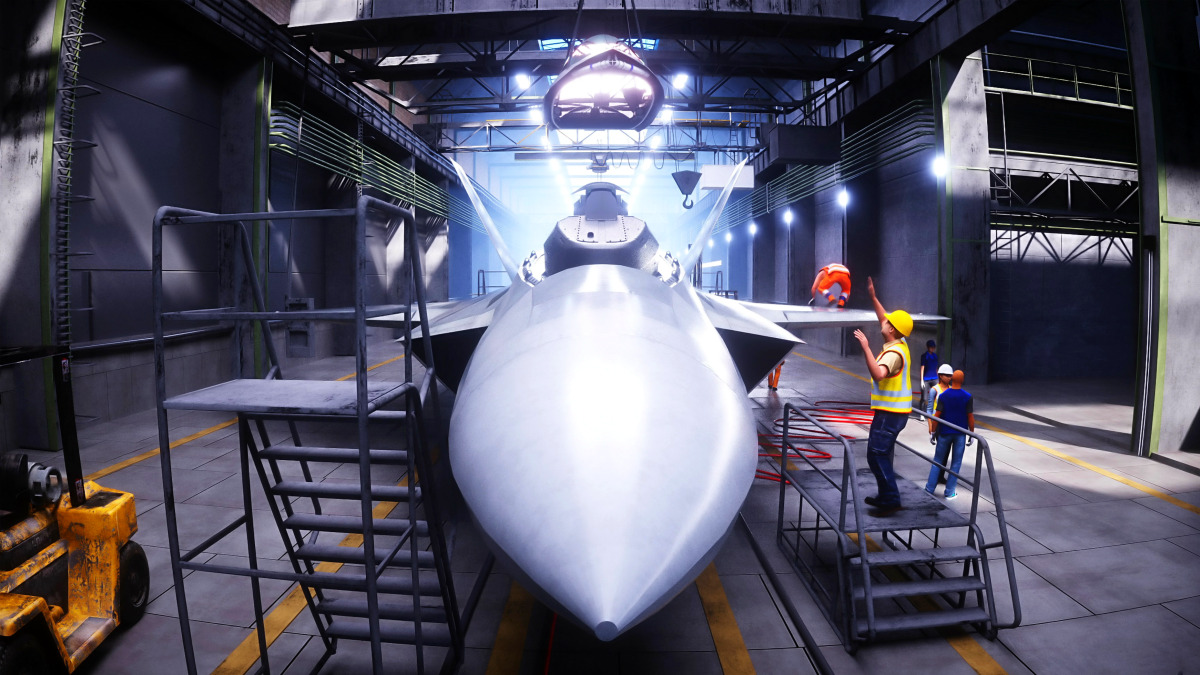
Shenyang Aircraft Corporation (SAC) has invested roughly 1.2 trillion KRW (about 900 million USD) to develop a sprawling Shenyang Aerospace City, a move intended to reshape airpower dynamics across Asia.
More than a simple factory expansion, the project signals SAC’s plan to double production of frontline fighters— including the J-35 stealth jet—within three to five years.
South Korea has advanced toward greater airpower self-reliance with mass production of the 4.5-generation KF-21. China, however, is leveraging overwhelming capital and scale to contest control of the Pacific skies.
4.2㎢ (1.62 sq mi) smart factory to scale both footprint and production
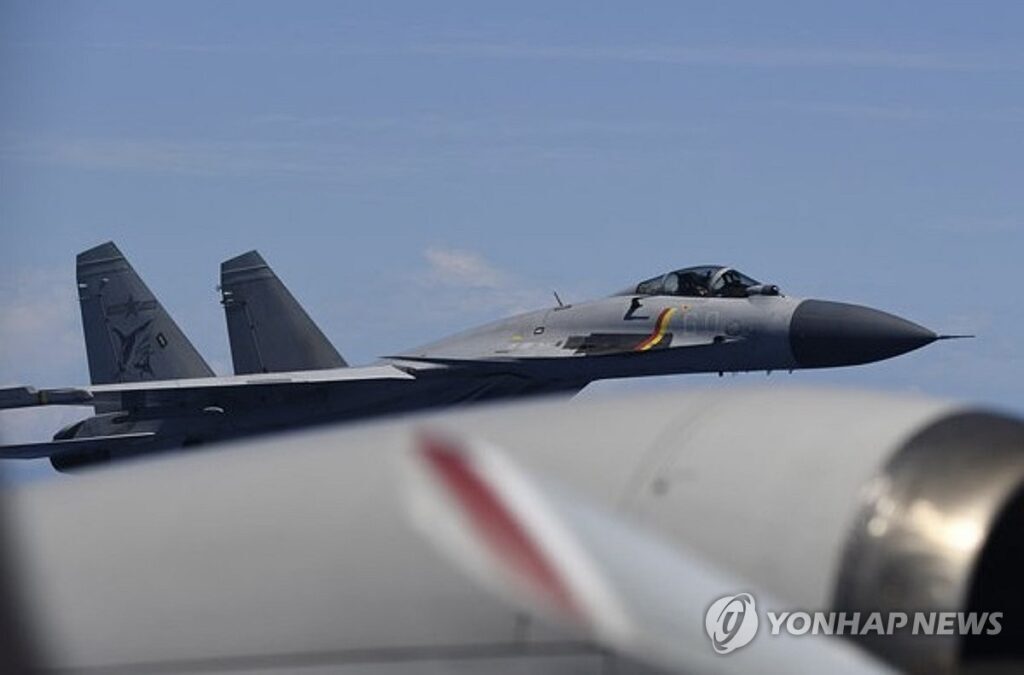
The new Shenyang Aerospace City will cover roughly 4.2㎢ (1.62 sq mi).
That is substantially larger than Korea Aerospace Industries’ (KAI) Sacheon campus, the heart of KAI’s operations, which spans about 2.5㎢ (0.97 sq mi).
The complex is being built as a vertically integrated hub to produce China’s core fighters—current types such as the J-15 and J-16 as well as newer stealth platforms like the J-35 and FC-31—on a single campus.
Perhaps more consequential than the added acreage is the planned full adoption of intelligent manufacturing: AI-driven systems controlling the entire assembly process.
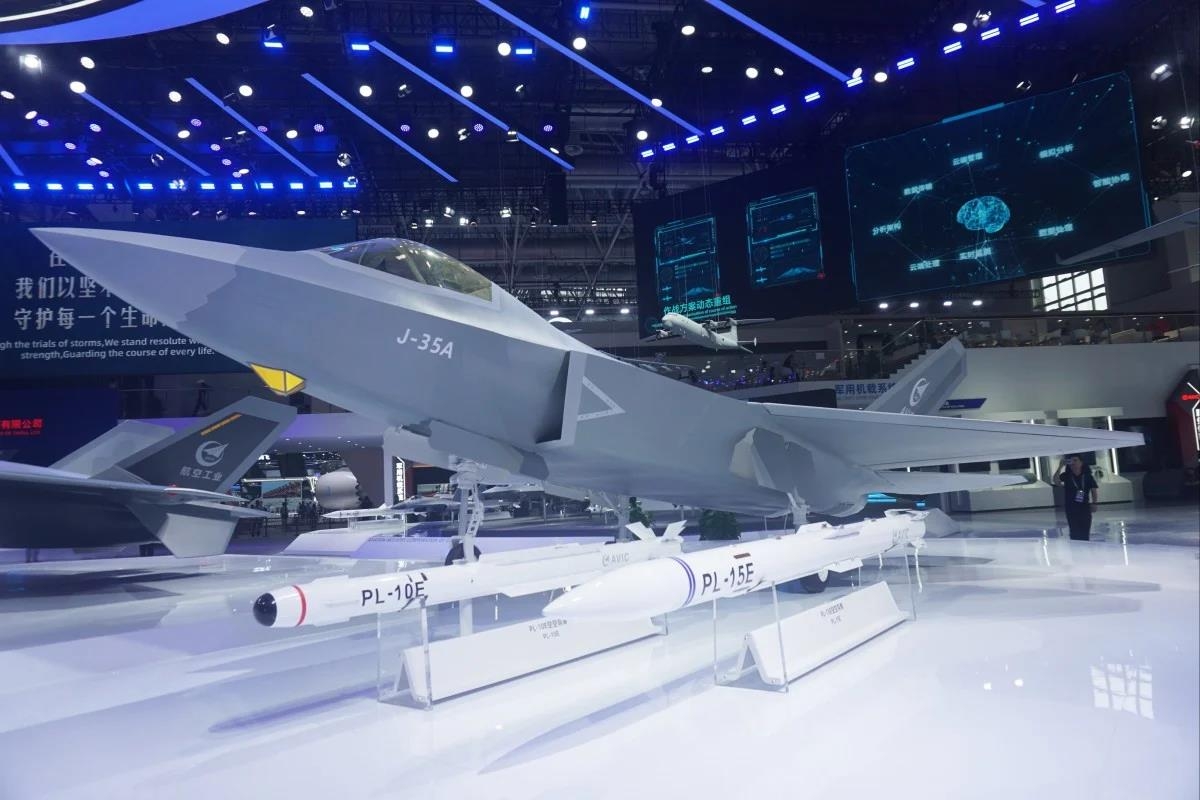
Converting the entire fighter production line into a smart factory should shorten build cycles and lift quality control, giving Beijing the capacity to replenish aircraft losses quickly in a high-intensity fight.
Analysts say KAI, which has demonstrated strong development capability, faces urgent pressure to modernize production beyond its Sacheon footprint to meet a likely surge in global export orders and rising domestic demand.
Challenges for South Korea’s defense industry preparing for 2030 production demands
Completion of Shenyang Aerospace City would be a major variable in the Northeast Asian balance of power if a Taiwan Strait–style crisis erupts.
Western military analysts project China could operate this infrastructure to reliably produce more than 200 fighters per year by around 2030.
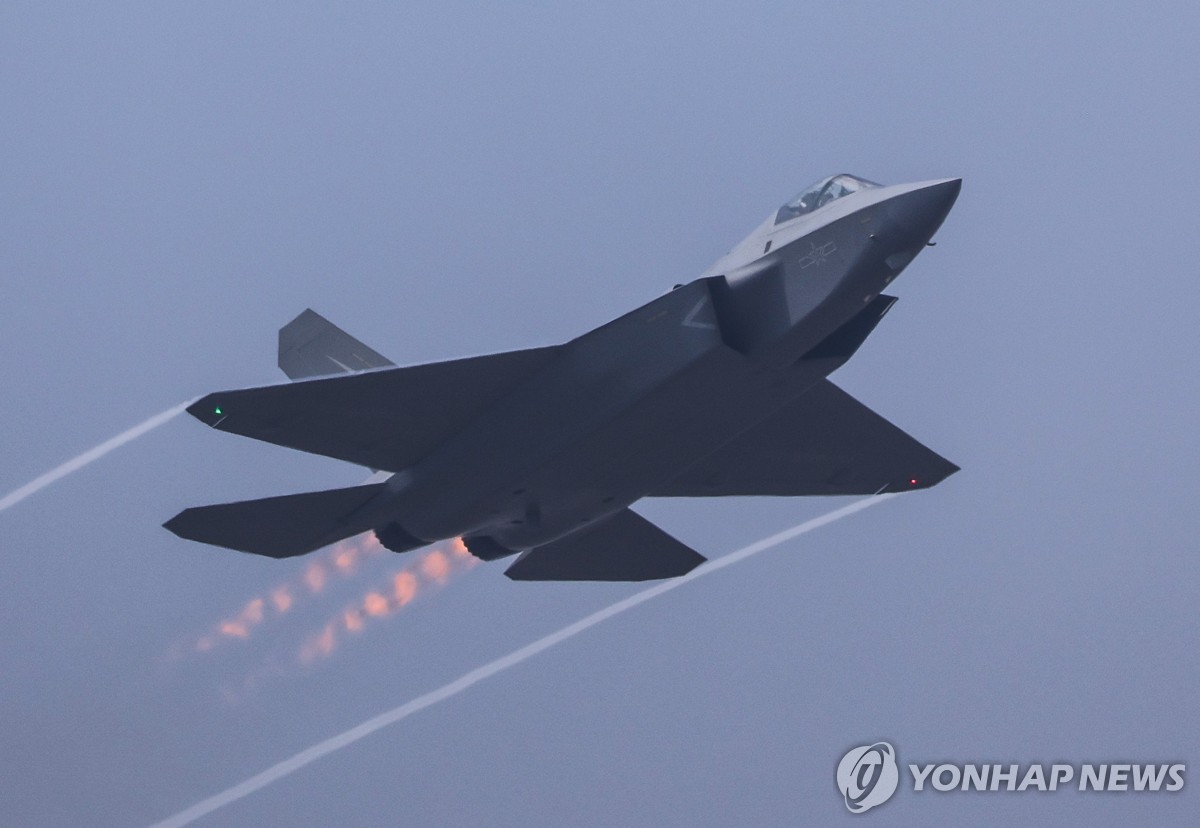
In an attrition battle for air superiority, the side that can replace lost fighters faster has a decisive advantage.
China has effectively created a robust industrial backstop: extensive domestic smart-factory lines that can rapidly refill depleted stealth fighter inventories.
By contrast, South Korea fields capable indigenous systems but currently lacks comparable large-scale production infrastructure. In a full-scale conflict, Seoul would likely face pressure to wait for allied wartime resupply.
With the United States potentially prioritizing its own Pacific defense requirements, South Korea should leverage the KF-21 program as a springboard to concentrate national resources on expanding mass-production lines and building a civil–military integrated aerospace ecosystem.











Most Commented