
Translation result
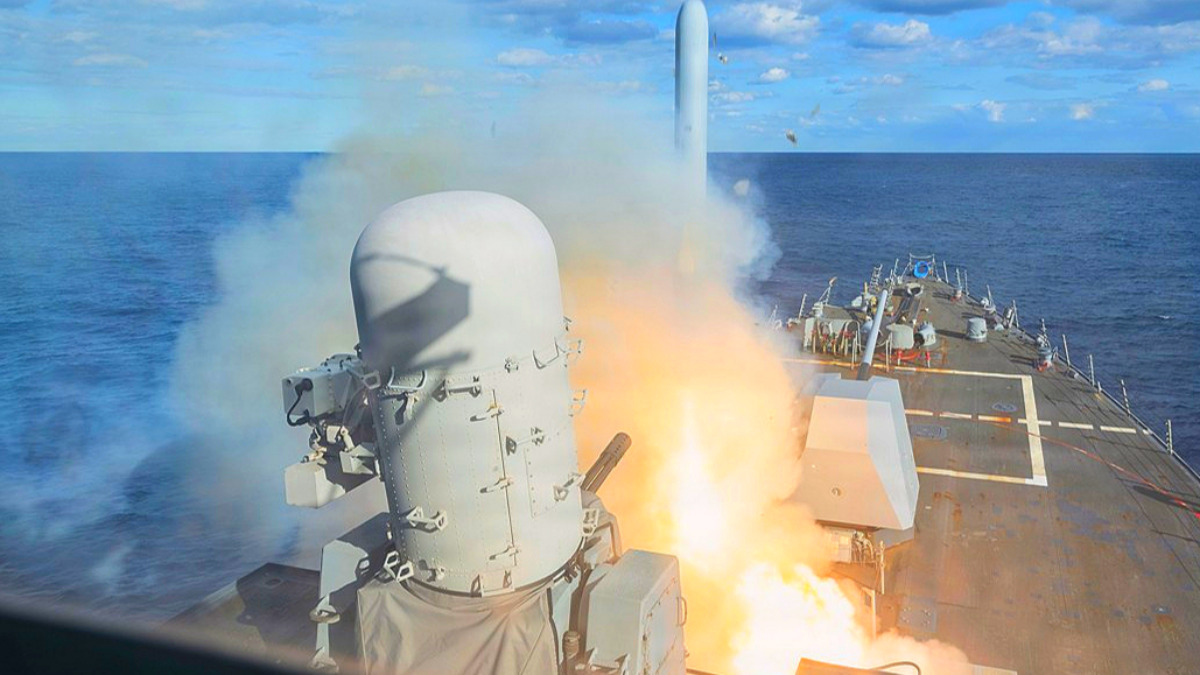
The U.S. Army used a Tomahawk cruise missile to strike a target roughly 600 km (about 373 miles) from Philippine territory, a move that signals a new phase of military tension in the South China Sea.
No longer just defensive: The Philippines’ sharpened ‘spear’
The live-fire exercise, part of Balikatan—the annual U.S.-Philippine joint drills—simulated a missile flight from Tacloban in central Philippines to Fort Magsaysay on Luzon.
Philippine military officials hailed the strike’s precision, likening it to aiming at a specific window at long range and hitting it.
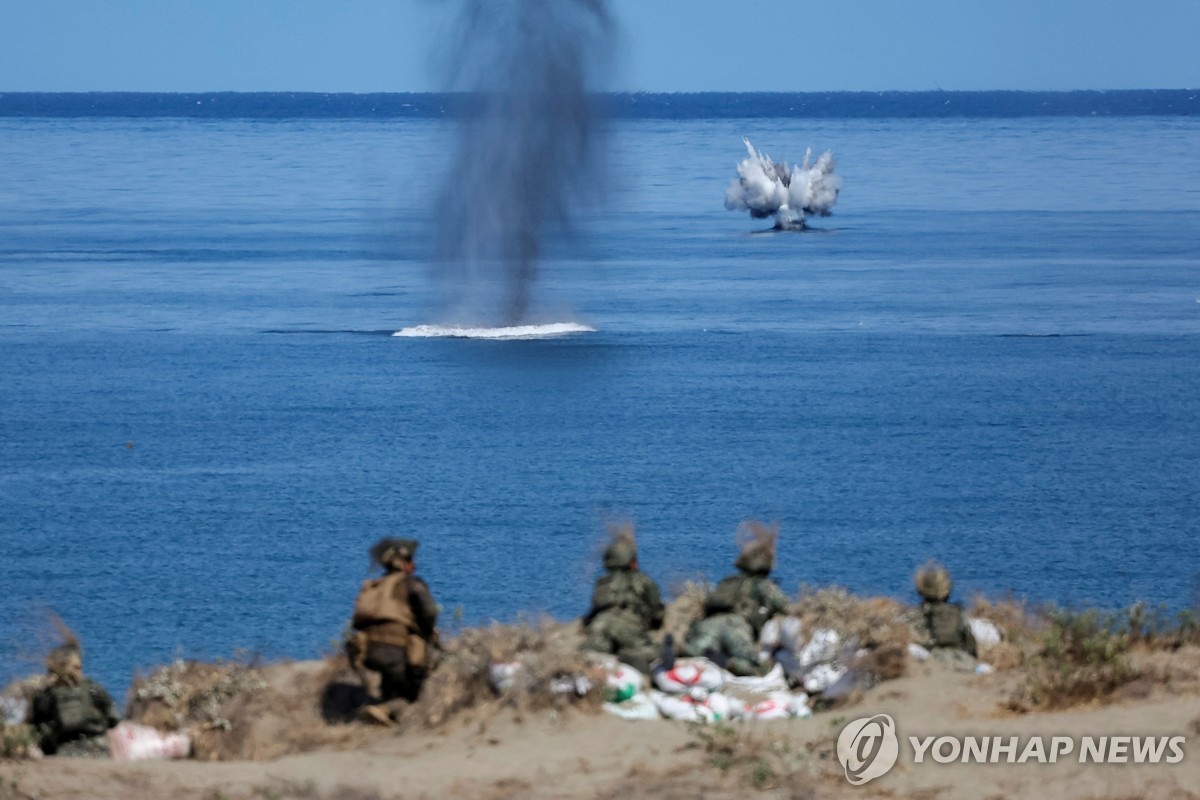
Until now, the Philippines had largely been on the defensive in South China Sea disputes, enduring water cannon harassment and maritime blockades by Chinese coast guard vessels.
But with the U.S. Army’s new medium-range Typhon missile system deployed during the exercise, the country’s posture is shifting from territorial defense to a forward base capable of directly striking key Chinese military sites.
Unleashed strike range: The ‘secret weapon’ pinning down China’s fleet
The Typhon system forward-deployed to the Philippines reduces reliance on sea-launched platforms and gives commanders a land-based, long-range precision-strike capability.
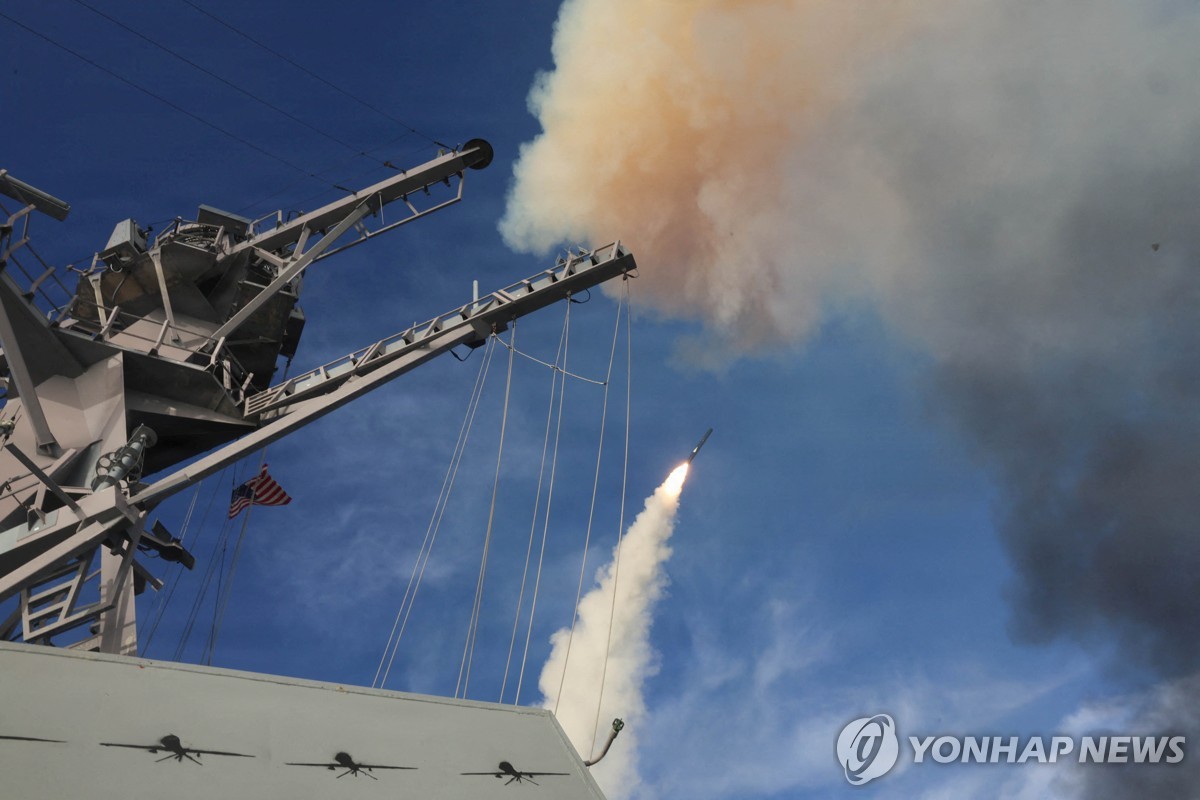
Bound for years by the INF Treaty, the U.S. was barred from fielding ground-launched cruise missiles. After withdrawing from the treaty, it accelerated development of land-based systems—resulting in Typhon, a mobile system that can be concealed as trucks or containers and moved freely.
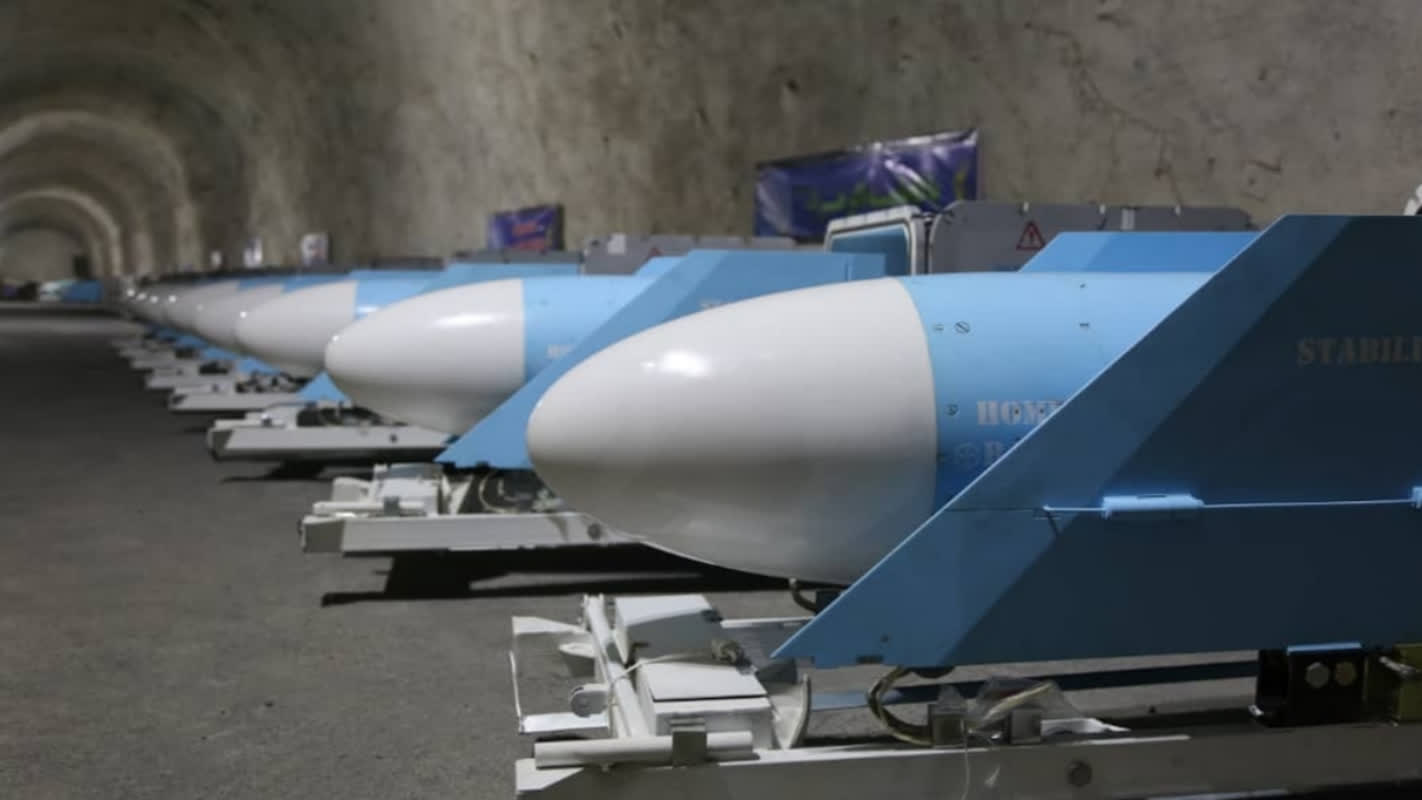
The Typhon package can field Tomahawk cruise missiles to strike fixed land targets at ranges up to 1,600 km (about 994 miles), and SM-6 missiles to intercept and engage sea and air threats beyond 200 km (about 124 miles).
If these launchers are based in northern Luzon or at central Philippine sites, U.S. forces would immediately place China’s southern-theater naval bases, the entire Taiwan Strait, and major military facilities on South China Sea artificial islands within precision-strike range.
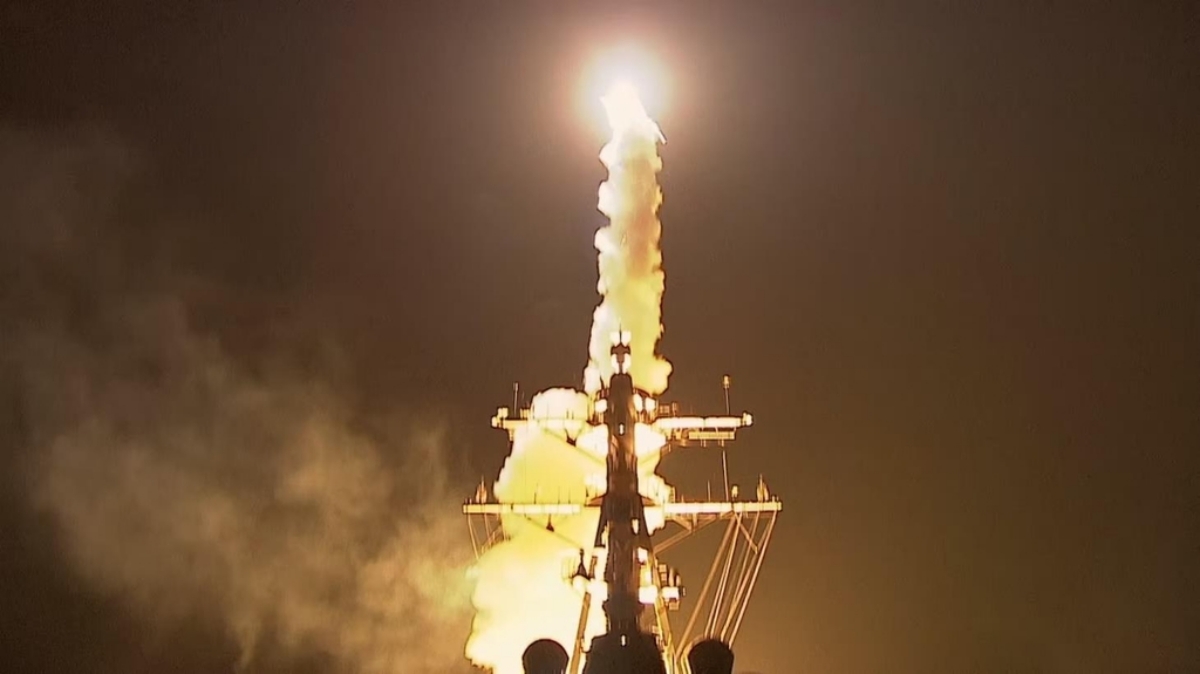
In a Taiwan contingency, China’s navy and air force would have to factor in mobile missile launchers in the Philippines that can threaten both the mainland and deployed fleets, complicating tactical calculations.
Given their size, ground-launched systems would likely be high-priority targets for Chinese reconnaissance satellites and strike assets in a crisis.
Analysts say dispersal and deception will be essential to preserve survivability, but the mere presence of these systems already imposes a powerful asymmetric deterrent across the South China Sea and is likely to make potential opponents hesitate in their military decision-making.










Most Commented