
Translation result
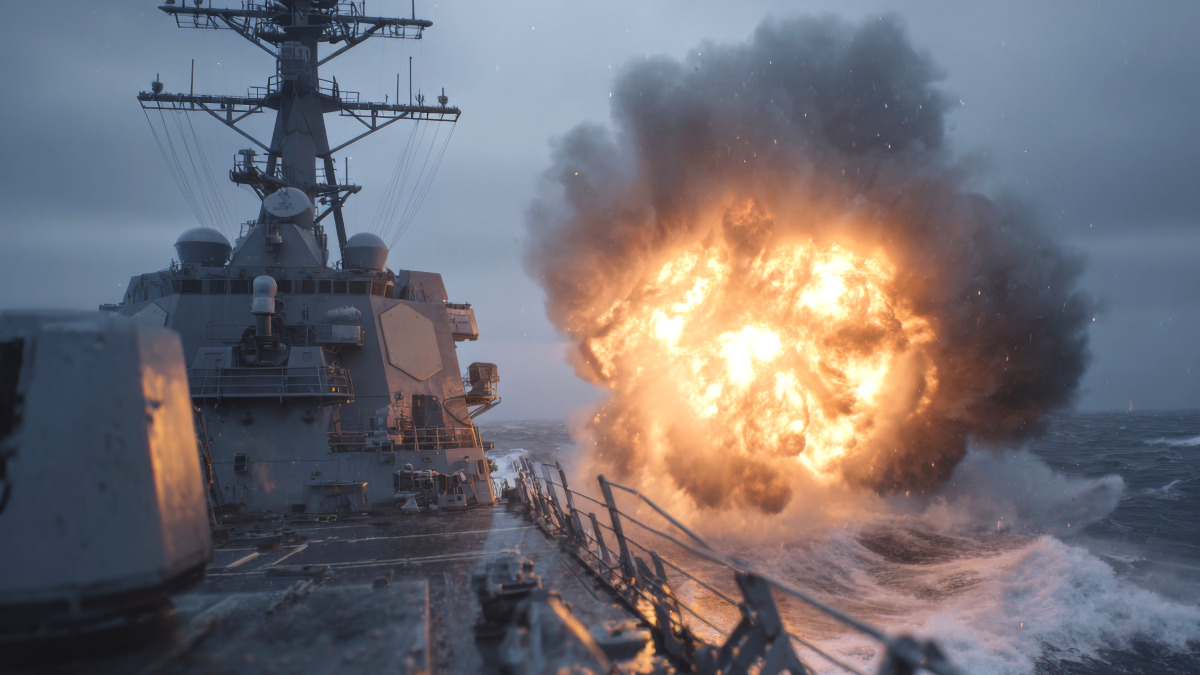
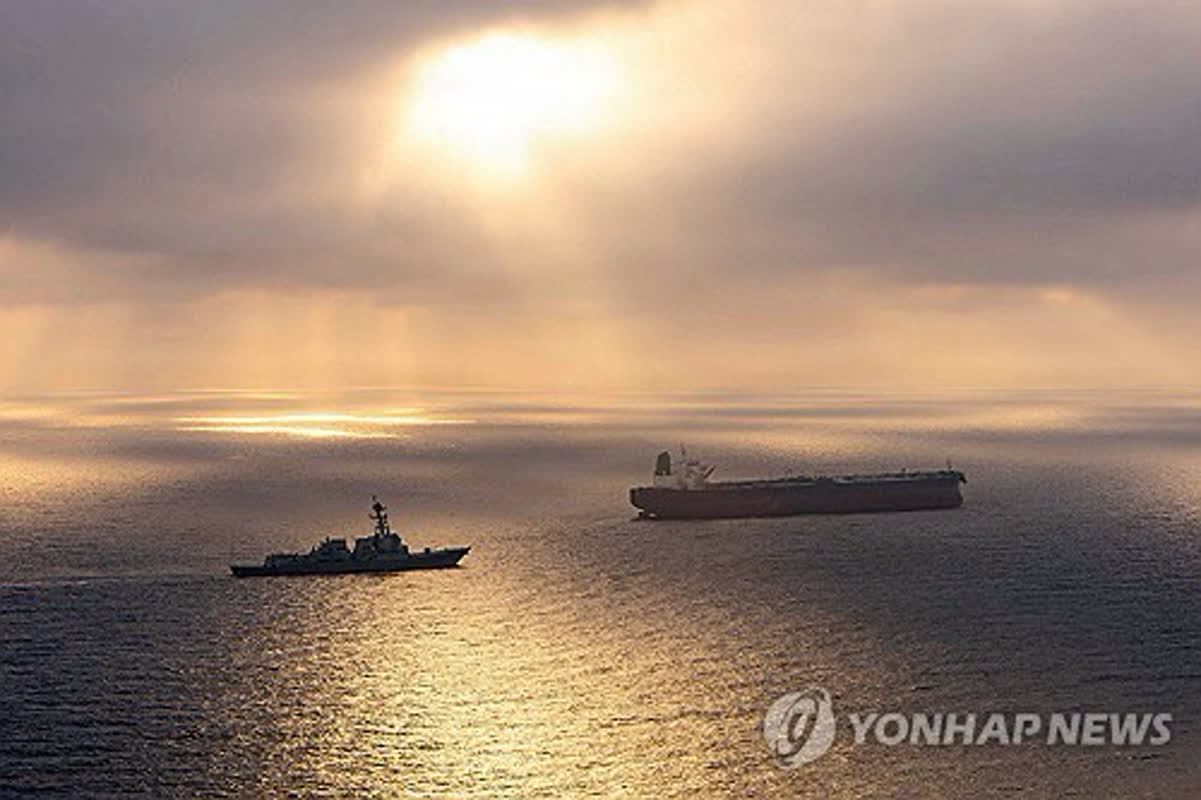
The U.S. Navy has begun construction on the 140th Arleigh Burke-class Flight III Aegis destroyer, the Thomas G. Kelly.
Bath Iron Works (BIW) turning out another large air‑defense combatant underscores the stark reality facing the United States.
The ship will field a 96-cell Mk 41 vertical launch system (VLS) and the latest SPY‑6(V)1 radar. It will carry SM‑6 interceptors for layered missile defense and Tomahawk cruise missiles, serving as a key escort for carrier strike groups and a core asset for ballistic missile defense.
The Navy is keeping Arleigh Burke production going even as it develops the next‑generation DDG(X) because China’s naval expansion is moving too fast. The U.S. doesn’t have the luxury of time to design and validate a completely new hull and get it into the fleet at scale.
Limits of High‑Power Radar and the Hull
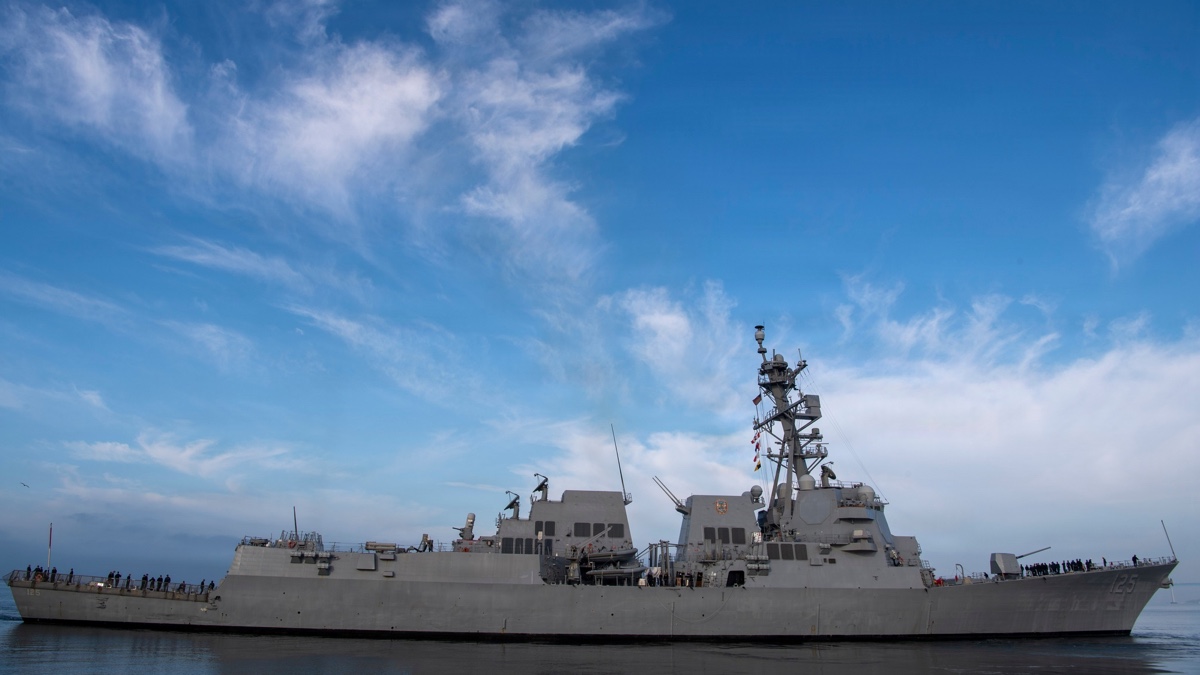
The SPY‑6 radar, the centerpiece of the Flight III upgrade, uses gallium nitride (GaN)‑based AESA technology. It delivers far greater detection sensitivity and simultaneous‑tracking capability than the older SPY‑1 family.
At long range, it can track low‑observable cruise missiles and ballistic missiles coming from multiple directions at once.
But higher radar power drives steep increases in electrical demand and cooling requirements. The Arleigh Burke hull is a platform upgraded over decades; internal volume and power‑generation capacity are approaching their limits. This Flight III update is effectively the last major squeeze of that design.
In the Indo‑Pacific, even high‑performance sensors face the hard constraint of weapons quantity during saturation attacks. China’s Type 055 destroyers carry 112 VLS cells versus the Arleigh Burke’s fixed 96, leaving the Burke at a disadvantage on magazine depth alone.
In modern conflict, swarms of drones and missiles can exhaust 96 VLS cells in minutes. Current operational practice does not allow crews to reload Mk 41 VLS at sea in a realistic way, so a ship that has expended its load would usually have to withdraw to resupply.
Shipyard Supply Chains Are Deterrence
These challenges aren’t unique to the U.S. Navy. The Republic of Korea Navy faces similar pressures as it counters North Korea’s missile threat and nearby states’ fleet expansions.
South Korea, which will operate Sejong the Great‑class Batch‑II Aegis ships and the future KDDX destroyers, also worries about overburdening a limited pool of platforms.
The deeper reason the U.S. Navy keeps building Arleigh Burkes is that sheer hull numbers — and the shipyard supply chain that keeps them coming — are themselves a form of deterrence. One deployable ship today often has more tactical value than a promise of a high‑tech ship years from now.Terms of Use
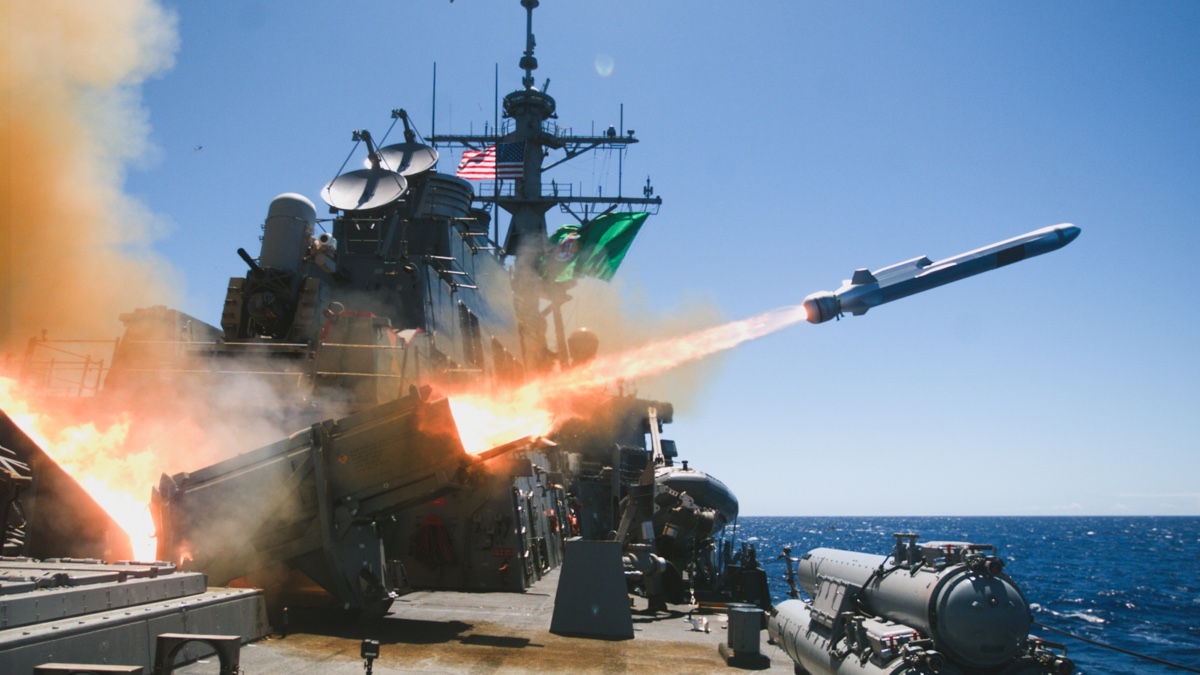
U.S. shipbuilding capacity has hit a serious bottleneck under the pressure of China’s fast construction pace. In that context, the ability to complete and deliver ships on schedule becomes a central pillar of effective deterrence.
Laying the keel for DDG‑140 isn’t about flashy new technologies. It’s about hard‑headed realism: using mass production to preserve the balance of power in the western Pacific. Manufacturing capacity — where weapons and shipyards function as a single system — is the true measure of modern security.
Trending Now
- “We’ll erase all traces of the Soviet era”…Eastern Europe in uproar as a country re‑arms with 25 trillion KRW (approximately 18.75 billion USD) in just five years
- “Twenty‑four F‑35As aren’t nearly enough”…As China’s threat grows, the U.S. rushes to take drastic measures
- “Popped out of the tube, circled, then boom”…US special forces’ new 20 km weapon could spell the end of the mortar era











Most Commented