Quick access to main page (top) Direct access to main contents Quick access to main page (bottom)

Cheap Bombs, Big Impact: How the U.S. Navy is Outsmarting High Missile Costs

Daniel Kim Views  

Translation result

해군
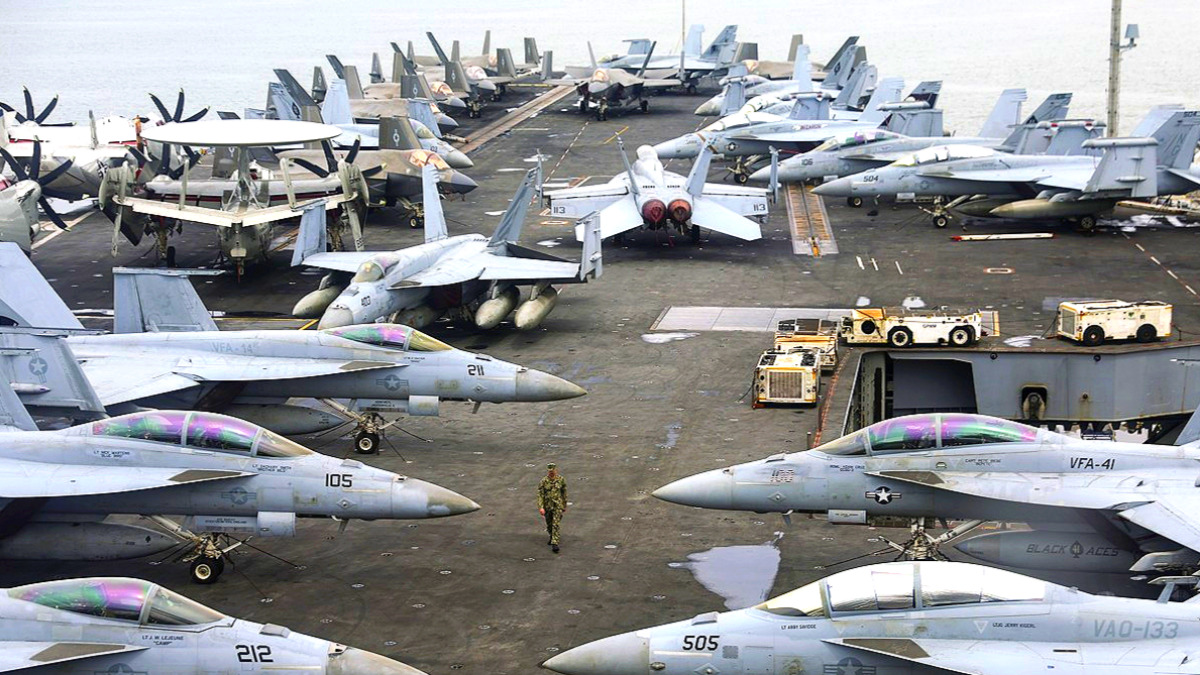
U.S. aircraft carrier / Source: Yonhap News

The U.S. Navy successfully tested a system that can turn inexpensive conventional bombs into weapons that behave like costly cruise missiles — a development that could reshape how future conflicts are fought.

Confronted with the high purchase price and slow production of advanced missiles, the service is pursuing ways to convert stockpiled legacy bombs into long-range strike munitions.

A jet‑powered bomb chosen over a 1.3 billion KRW (approximately $975,000) cruise missile

U.S. defense and specialist outlets report the Navy successfully test-fired a jet‑powered, long‑range joint direct-attack munition (JDAM‑LR) from an F/A‑18 Super Hornet.

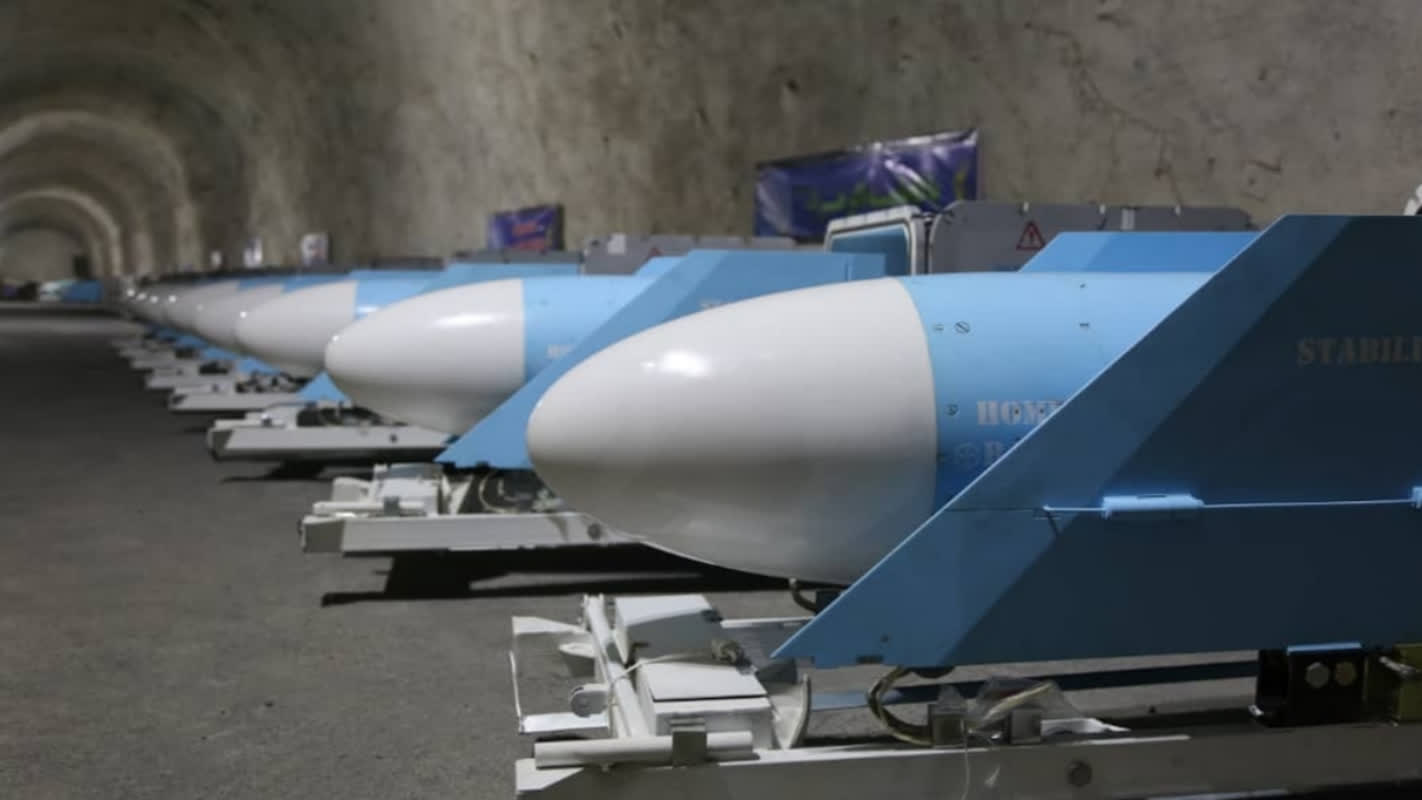
The tested munition couples a conventional 500‑pound‑class unguided bomb with a GPS‑guided wing kit and a compact turbojet engine.
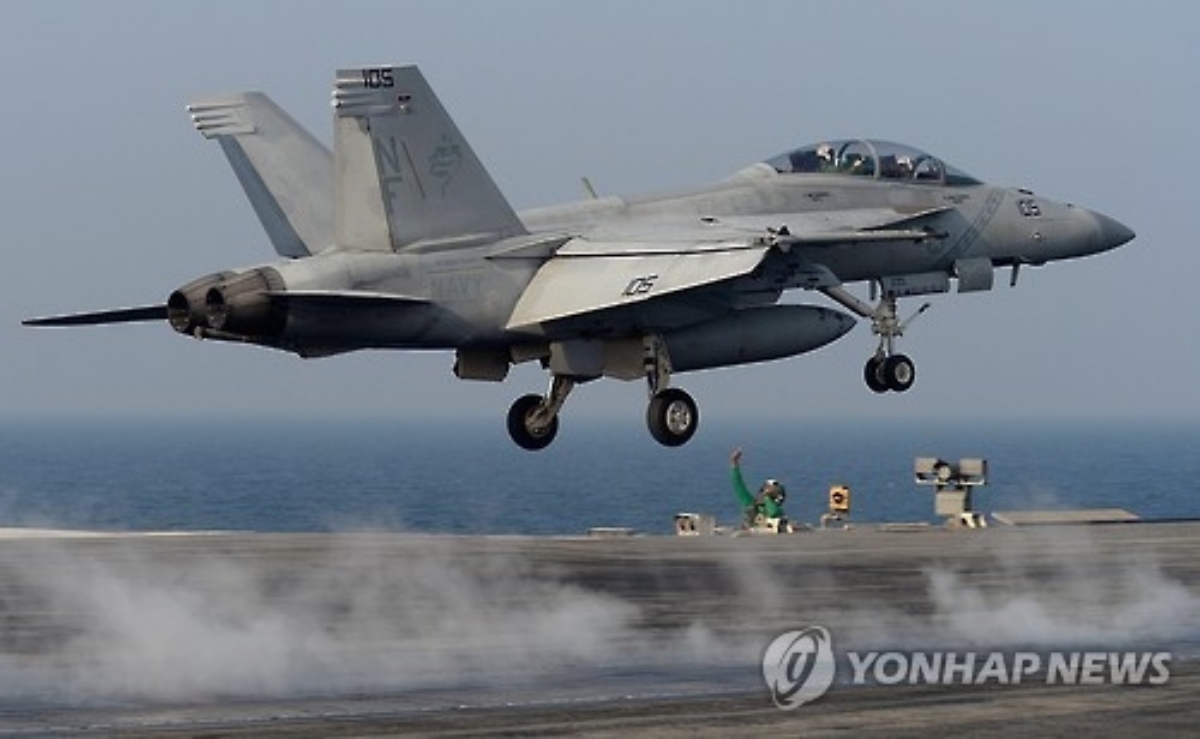
F/A-18
F/A-18 Super Hornet fighter / Source: Yonhap News

Adding propulsion to what would otherwise be a free‑fall bomb gives it far greater reach than conventional glide‑type guided bombs.

The Navy and Defense Department view these jet‑powered bombs as a way to dramatically increase the cost‑effectiveness of existing inventories.

The U.S. Air Force and Navy’s primary long‑range air‑to‑ground cruise missile, JASSM, costs roughly 1.3 billion KRW (roughly $975,000) per round, making large‑scale employment prohibitively expensive.

By contrast, JDAM‑LR converts existing 500‑pound bombs with wings, a small turbojet and fuel tank to provide a standoff strike reach on the order of 200 nautical miles — about 230 statute miles (≈ 370 km) — at a fraction of the cost of cruise missiles.
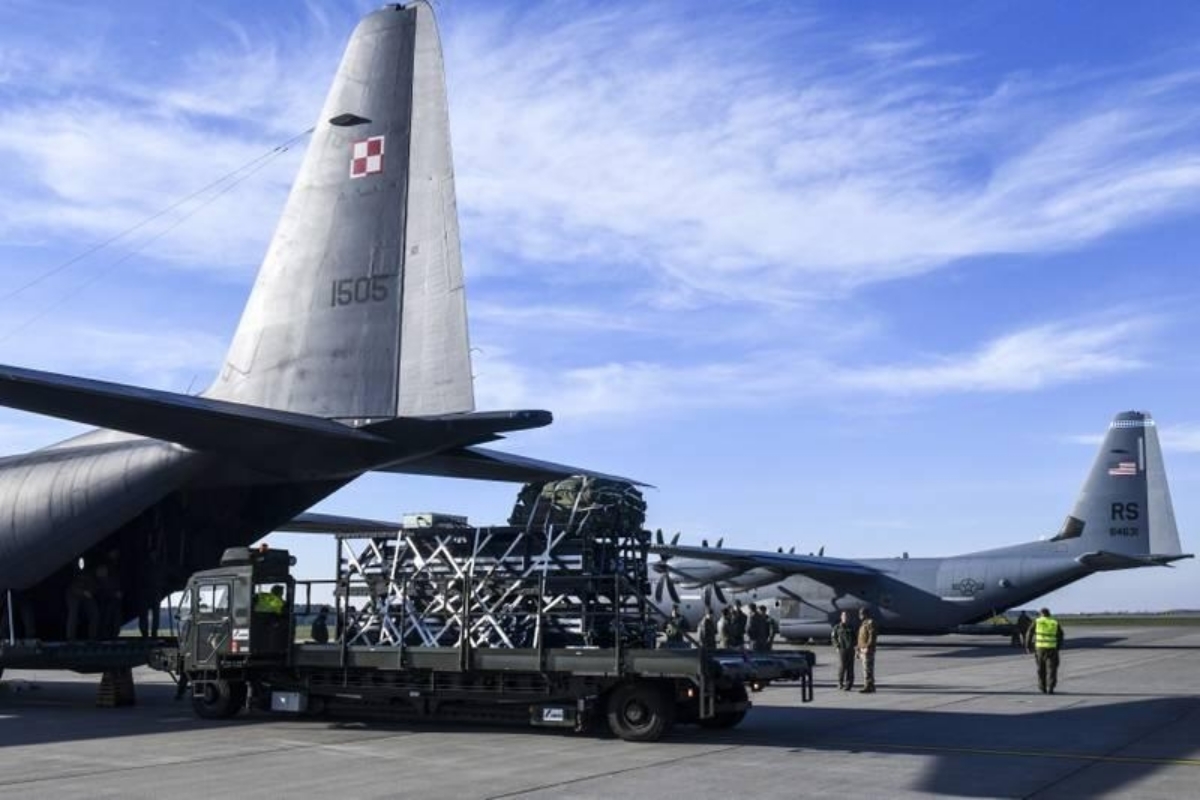
MC-130
JASSM cruise missiles loaded on an MC-130 transport / Source: Yonhap News

These modified bombs can already handle ground‑target strikes. If fitted later with seekers and datalinks, they could be adapted for maritime attacks or used as decoys.

High‑cost long‑range missiles strain stocks, underscoring need to evolve South Korea’s KGGB

The Navy’s test offers a clear lesson for the South Korean Air Force, which has concentrated procurement on high‑end guided weapons.

Seoul fields long‑range air‑to‑ground missiles such as SLAM‑ER and Taurus, but those rounds can cost tens of billions of KRW apiece — the equivalent of several million USD — making it difficult to maintain robust stockpiles.

Analysts have long warned that, in a full‑scale conflict, stocks of expensive cruise missiles would be exhausted within days.
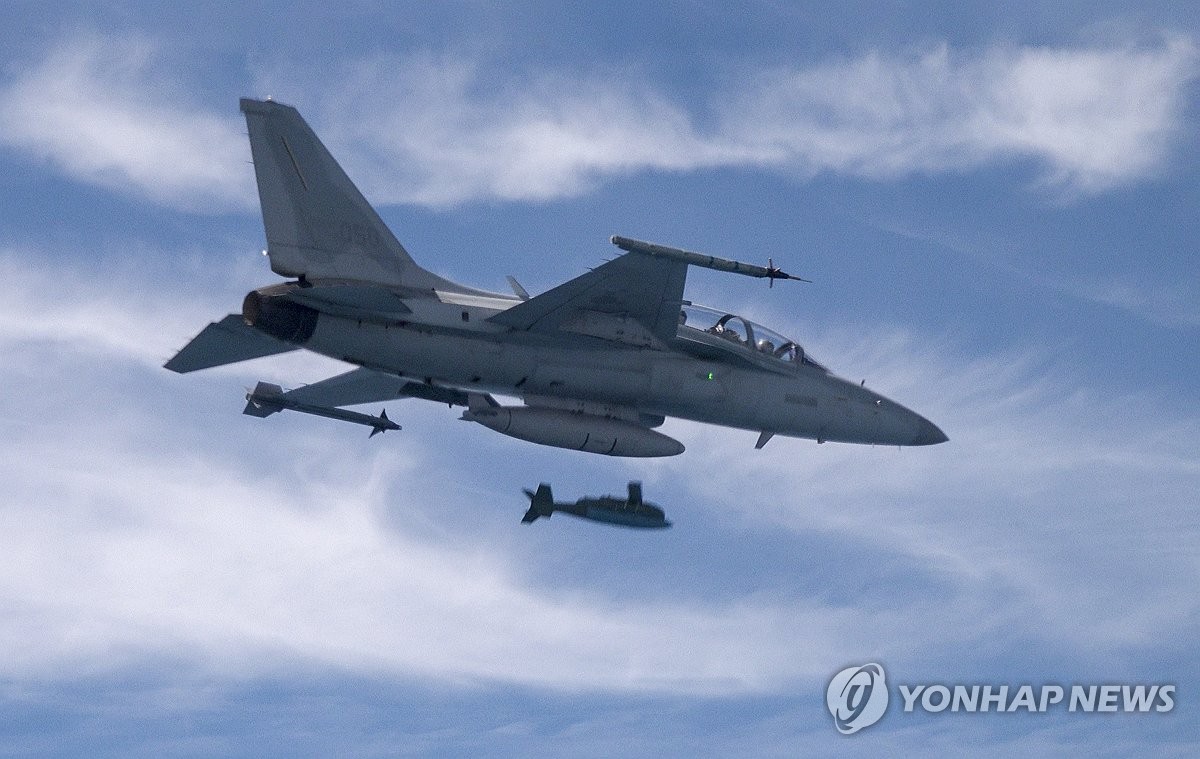
해군
FA-50 fighter dropping a KGGB bomb / Source: Yonhap News

To ease that shortfall, South Korea developed and fields a low‑cost Korean GPS‑guided bomb (KGGB) that runs roughly 100 million KRW per round (about $75,000). Lacking onboard propulsion, however, KGGB’s effective range is only about 100 km (roughly 62 miles).

That leaves a gap: KGGB cannot yet be released safely from outside many modern air‑defense envelopes.

If Korea adopts a JDAM‑LR‑style approach — integrating a small propulsion unit into the KGGB — it could field large numbers of long‑range strike munitions that boost aircraft survivability without the budget hit of buying more cruise missiles.

Moving doctrinally away from exclusive reliance on expensive cruise missiles and toward massing low‑cost modified bombs is emerging as a viable way to prepare for high‑volume conflict scenarios.

Daniel Kim
content@tenbizt.com

Comments0

300

Comments0

[Military] Latest Stories

  • 30 of 33 Iran Missile Bases Still Active: Intelligence Defies Trump Claims
    30 of 33 Iran Missile Bases Still Active: Intelligence Defies Trump Claims
  • US Javelin Missiles Deployed in Taiwan’s High-Stakes Live-Fire Drill
    US Javelin Missiles Deployed in Taiwan's High-Stakes Live-Fire Drill
  • North Korea’s 10-Year Nuclear Threat: Is a Limited Strike Imminent?
    North Korea's 10-Year Nuclear Threat: Is a Limited Strike Imminent?
  • AI vs. Video Compression: How RMX is Redefining Tactical Edge Tech
    AI vs. Video Compression: How RMX is Redefining Tactical Edge Tech
  • US-South Korea Security Meeting Sparks Tension Over Military Control
    US-South Korea Security Meeting Sparks Tension Over Military Control
  • Iran Claims Missile Strikes on U.S. Military Bases: Did They Hit?
    Iran Claims Missile Strikes on U.S. Military Bases: Did They Hit?

Weekly Best Articles

  • Choi Dong-seok’s Family Bond: How a Simple Engraving Reveals Deep Love for His Children
  • Kwak Sun-hee’s Stunning Wedding Photos: A Celebration of Love and Courage
  • Is ‘I Am a Natural Person’ Just a Big Lie? Comedian Yoon-taek Reveals Shocking Secrets!
  • Health Scare: Why Fans Are Worried About Go Ji Yong’s Dramatic Weight Loss
  • Discover the Winter Gongju Chestnut Festival: A Taste of Korea at H-Mart in the USA!
  • 2026 Spring Wildfire Prevention: How Gyeryong City is Cutting Response Time to 30 Minutes!

You May Also Like

  • 1
    Trump Slashes AI Review Window to 30 Days Amid National Security Debate

    Politics 

    Trump Slashes AI Review Window to 30 Days Amid National Security Debate
  • 2
    Ukraine’s EU Bid Surges as Hungary Drops Opposition Amid Russian Attacks

    Politics 

    Ukraine’s EU Bid Surges as Hungary Drops Opposition Amid Russian Attacks
  • 3
    Trump Backs Colombia's 'El Tigre' — What It Means for U.S. Relations

    Politics 

    Trump Backs Colombia’s ‘El Tigre’ — What It Means for U.S. Relations
  • 4
    Trump Backs Colombia's Far-Right Outsider—What's at Stake?

    Politics 

    Trump Backs Colombia’s Far-Right Outsider—What’s at Stake?
  • 5
    12.5% Tariff Hit: South Korea Faces New U.S. Trade Penalties

    Politics 

    12.5% Tariff Hit: South Korea Faces New U.S. Trade Penalties

Popular Now

  • 1
    12.5% Tariff Alert: Why the U.S. Is Targeting South Korean Imports

    Politics&nbsp

  • 2
    Marta Kostyuk Makes History at French Open Amid Ukraine Crisis

    Politics&nbsp

  • 3
    37 Years in Exile: The Tiananmen Leader Who Just Wants to Go Home

    Politics&nbsp

  • 4
    South Korea's Cheongju Airport Faces Crisis as Passenger Numbers Explode

    Politics&nbsp

  • 5
    Nuclear Submarine Race: South Korea's High-Stakes Bid for U.S. Fuel

    Politics&nbsp

Weekly Best Articles

  • Choi Dong-seok’s Family Bond: How a Simple Engraving Reveals Deep Love for His Children
  • Kwak Sun-hee’s Stunning Wedding Photos: A Celebration of Love and Courage
  • Is ‘I Am a Natural Person’ Just a Big Lie? Comedian Yoon-taek Reveals Shocking Secrets!
  • Health Scare: Why Fans Are Worried About Go Ji Yong’s Dramatic Weight Loss
  • Discover the Winter Gongju Chestnut Festival: A Taste of Korea at H-Mart in the USA!
  • 2026 Spring Wildfire Prevention: How Gyeryong City is Cutting Response Time to 30 Minutes!

Must-Reads

  • 1
    Trump Slashes AI Review Window to 30 Days Amid National Security Debate

    Politics 

    Trump Slashes AI Review Window to 30 Days Amid National Security Debate
  • 2
    Ukraine’s EU Bid Surges as Hungary Drops Opposition Amid Russian Attacks

    Politics 

    Ukraine’s EU Bid Surges as Hungary Drops Opposition Amid Russian Attacks
  • 3
    Trump Backs Colombia's 'El Tigre' — What It Means for U.S. Relations

    Politics 

    Trump Backs Colombia’s ‘El Tigre’ — What It Means for U.S. Relations
  • 4
    Trump Backs Colombia's Far-Right Outsider—What's at Stake?

    Politics 

    Trump Backs Colombia’s Far-Right Outsider—What’s at Stake?
  • 5
    12.5% Tariff Hit: South Korea Faces New U.S. Trade Penalties

    Politics 

    12.5% Tariff Hit: South Korea Faces New U.S. Trade Penalties

Popular Now

  • 1
    12.5% Tariff Alert: Why the U.S. Is Targeting South Korean Imports

    Politics 

  • 2
    Marta Kostyuk Makes History at French Open Amid Ukraine Crisis

    Politics 

  • 3
    37 Years in Exile: The Tiananmen Leader Who Just Wants to Go Home

    Politics 

  • 4
    South Korea's Cheongju Airport Faces Crisis as Passenger Numbers Explode

    Politics 

  • 5
    Nuclear Submarine Race: South Korea's High-Stakes Bid for U.S. Fuel

    Politics