
Translation result
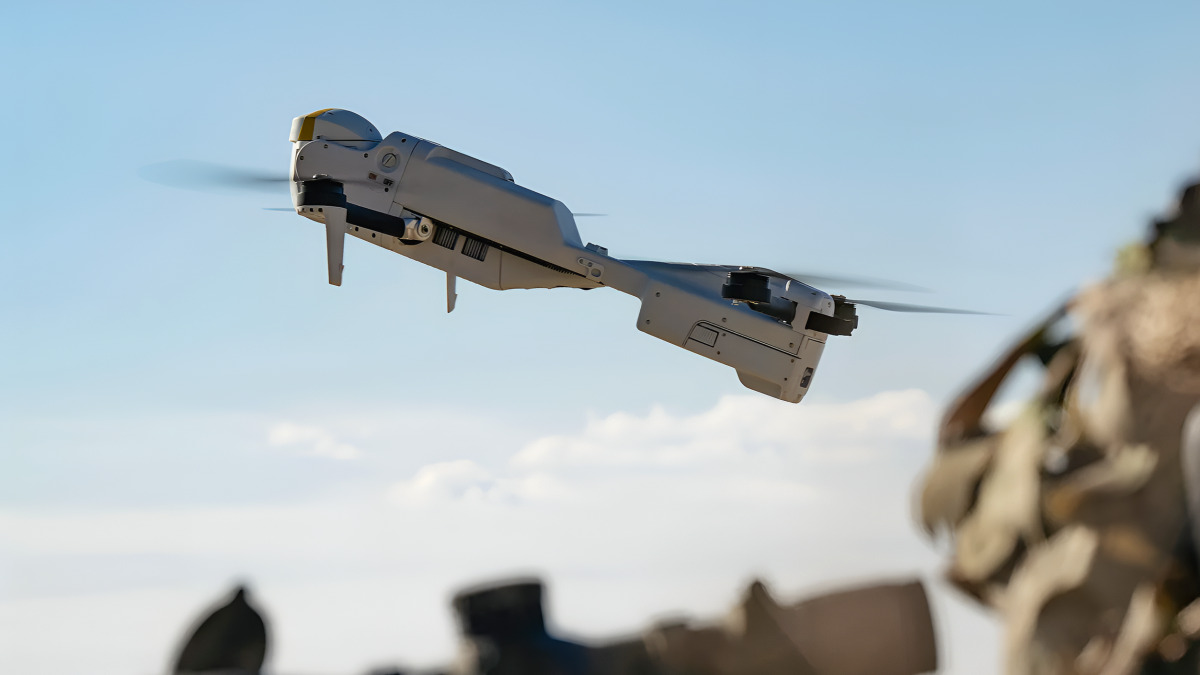
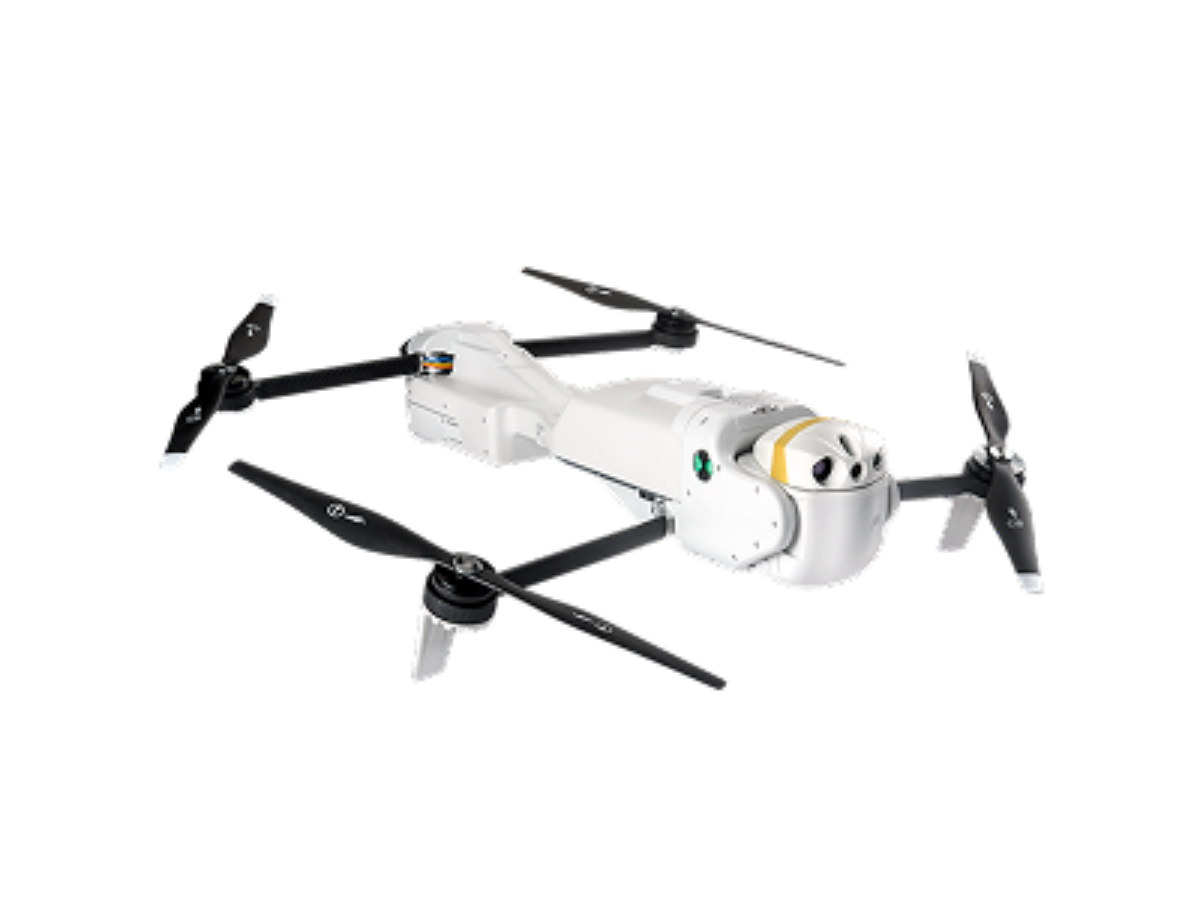
Infantry-portable loitering munitions capable of precision strikes have made a marked leap in capability. Teledyne FLIR Defense’s Rogue 1 Block 2 — a loitering munition — drew attention from military analysts when it was unveiled.
Selected as part of the U.S. Army’s low-altitude strike initiative, known as LASSO, the system preserves its basic form while extending operational reach. Improvements to the battery and propeller efficiency double its effective range to more than 20 km.
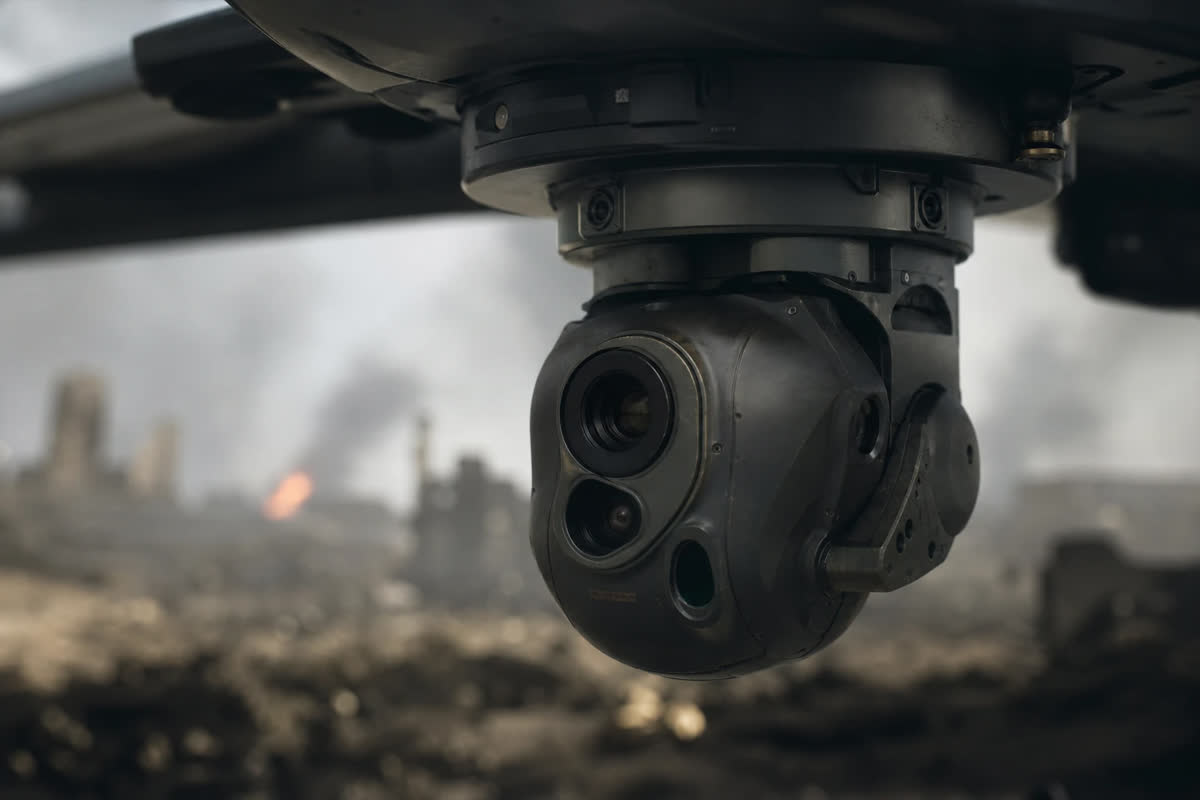
The Rogue 1 is a quadcopter with vertical takeoff and landing. Unlike a conventional artillery round, it can loiter over the battlefield, conducting surveillance with a high-resolution thermal camera and then diving onto targets at the operator’s command.
How Pocket Precision Artillery Is Redrawing Infantry Tactics
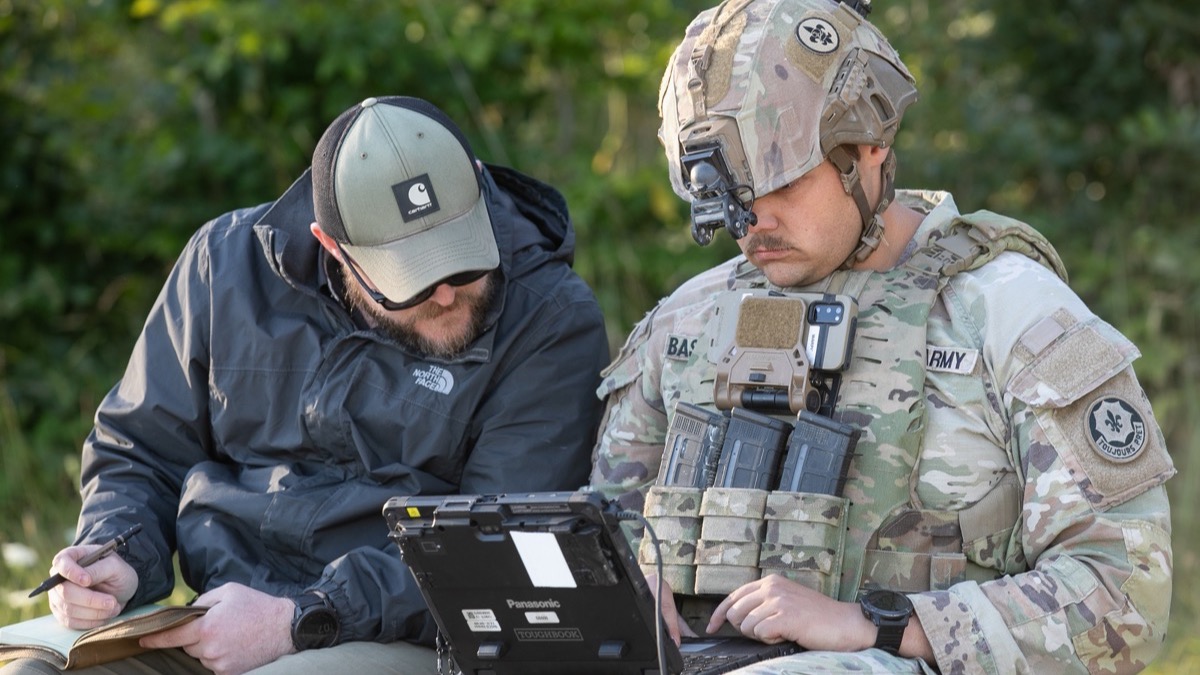
With a 20 km reach, small infantry units can project long-range indirect fires without waiting on friendly artillery. Units can identify enemy vehicles or mortar positions concealed in rugged terrain or behind structures via onboard sensors and engage them immediately.
The Block 2 upgrade introduces an anti-armor option using shaped-charge jet technology. Where small drones previously struggled against armored vehicles, operators now have a credible option for engaging medium and heavy armor.
Traditionally, mortar crews relied on forward observers who exposed themselves to adjust fire. Loitering munitions fuse reconnaissance and strike in a single platform, reducing unnecessary bombardment and compressing tactical timelines.
The weapon offers greater precision than mortars and more tactical flexibility than many anti-tank missiles, filling a niche for precise, on-demand strikes. For special operations teams operating deep behind enemy lines, it can help offset a lack of organic fire support without calling in aircraft.
Recent iterations add more capable onboard processors and dual-band communications, enhancing autonomy and reducing operator workload. Those improvements also boost mission resilience in contested electromagnetic environments, including jamming and GPS disruption.
Airspace-Control Challenges for Korean-Style Small-Unit Combat
For the Republic of Korea Armed Forces — which operate in mountainous terrain and face complex coastal-defense missions — fielding high-performance loitering munitions like the Rogue 1 makes operational sense. They extend small units’ strike options where artillery and armor can’t easily maneuver.
But quantity alone is not the answer. Uncoordinated proliferation can create frequency interference and airspace-management problems. If multiple forward units independently launch drones, commanders risk losing a coherent operational picture.
Large-scale use of small drones also increases the risk of fratricide and runs into limits in severe weather and high winds. Before procurement scales up, militaries should establish strict frequency allocations and deploy hybrid airspace-management systems.
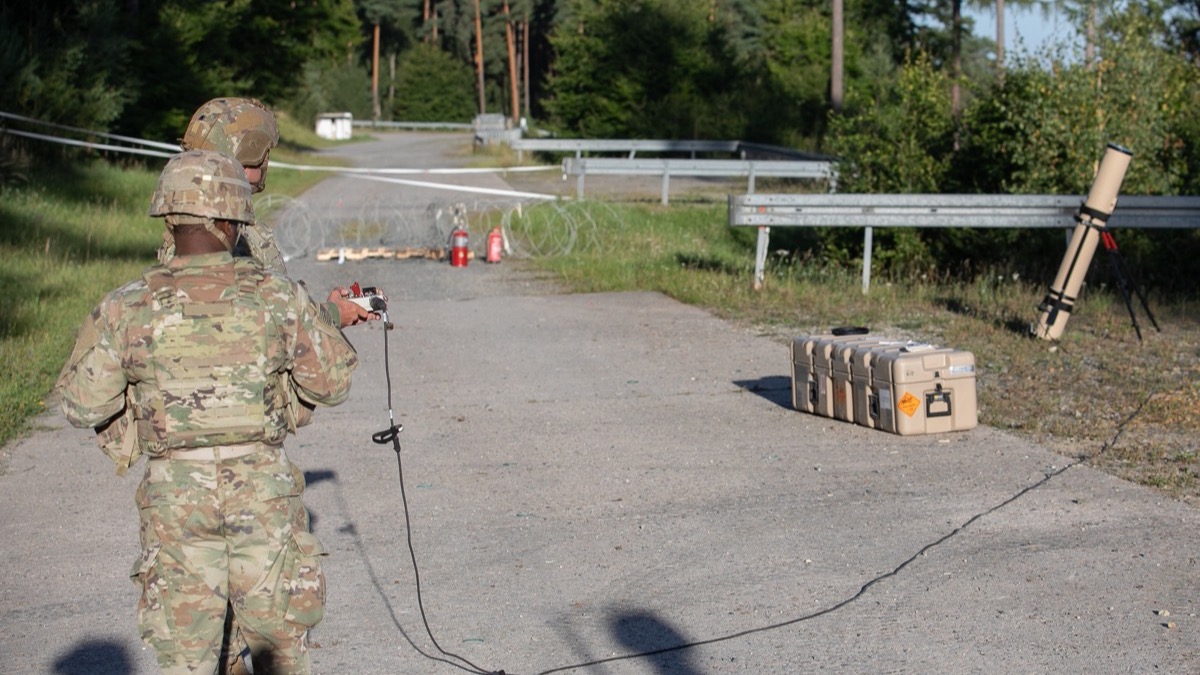
Infantry are shifting from units that waited on artillery to networked forces that locate and eliminate targets themselves. To use these systems effectively, militaries must set specific employment rules for mission types such as mountain guard posts and urban counterterrorism.
They also need rigorous rules of engagement — clear target-approval workflows and mandatory civilian-harm assessments — to prevent reckless, decentralized use. Only with robust institutional safeguards will small drones serve as controllable tactical assets.
Trending Now
- “What if THAAD stocks over Seoul run low?”…The real reason the U.S. rushed to break ground on a factory
- “It crashes with a bang but revives a month later”…The U.S. military’s ‘extreme step’ that even tore up procedures to pressure China
- “If exposed, the whole unit is annihilated”…The latest tactics of America’s premier helicopter, in sobering detail












Most Commented