
Translation result
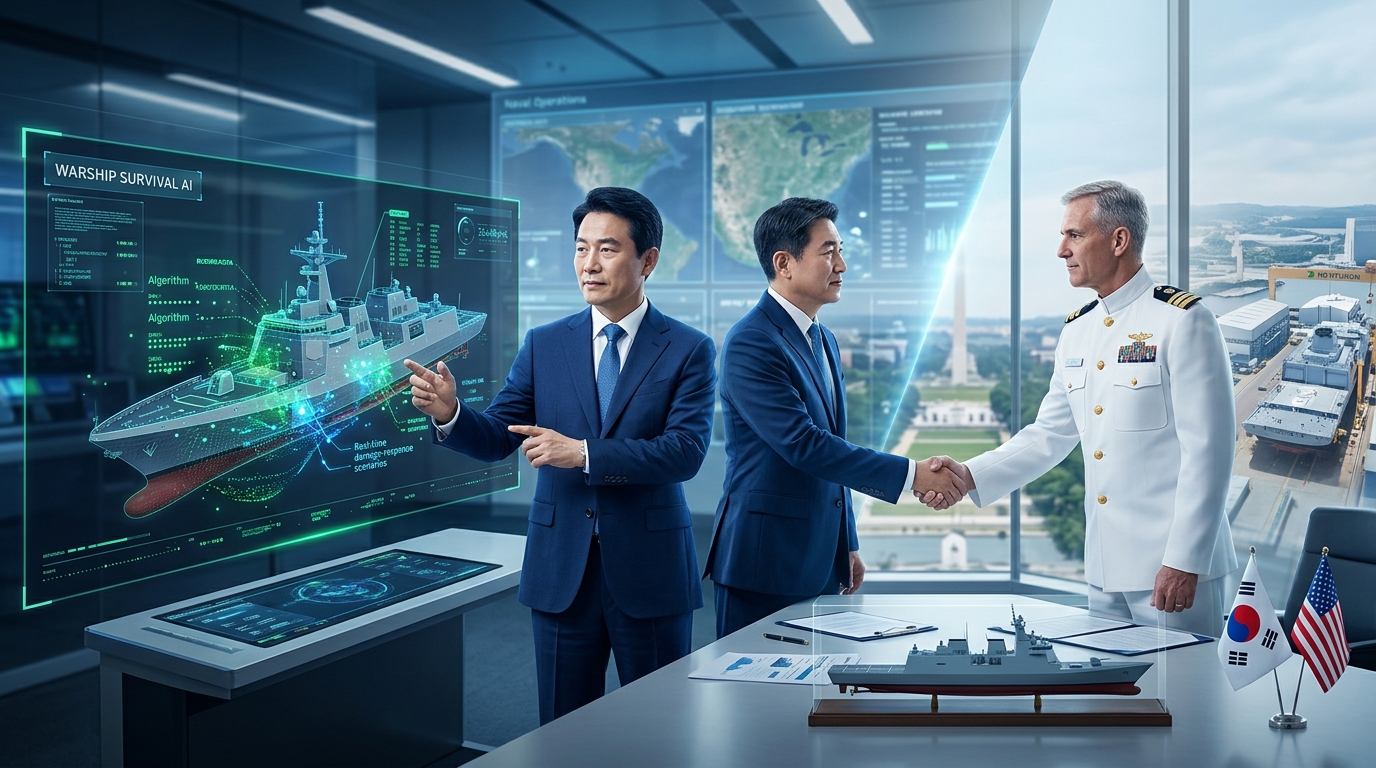
The United States, which fields the world’s most powerful navy, turned to a South Korean firm rather than U.S. shipyards for core research and development. The work centers on an artificial intelligence model that predicts a warship’s survivability in real time — essentially the future navy’s brain.
On April 23, 2026 (local time), HD Hyundai became the first South Korean company to win two research contracts at the U.S. Office of Naval Research (ONR) headquarters in Arlington, Virginia. The awards cover projects to improve ship performance and boost construction productivity.
The ONR directs future science and technology development for the U.S. Navy and Marine Corps and sits at the top of America’s defense-technology ecosystem.
This award is more than another contract win. Where earlier Korean cooperation on U.S. warships focused on maintenance, repair and overhaul (MRO) or limited hull work, Korean firms will now lead research into performance prediction and process simulation — the foundational work that drives ship design.
Using AI to calculate a warship’s survivability
HD Hyundai Heavy Industries and a research team led by Professor Yonghwan Kim in Seoul National University’s Department of Naval Architecture and Ocean Engineering will jointly develop an AI model that uses advanced digital ship technologies to predict a warship’s chance of survival in real time under harsh sea conditions. The model is intended to act as a shipboard digital brain, instantly producing response scenarios for combat damage.
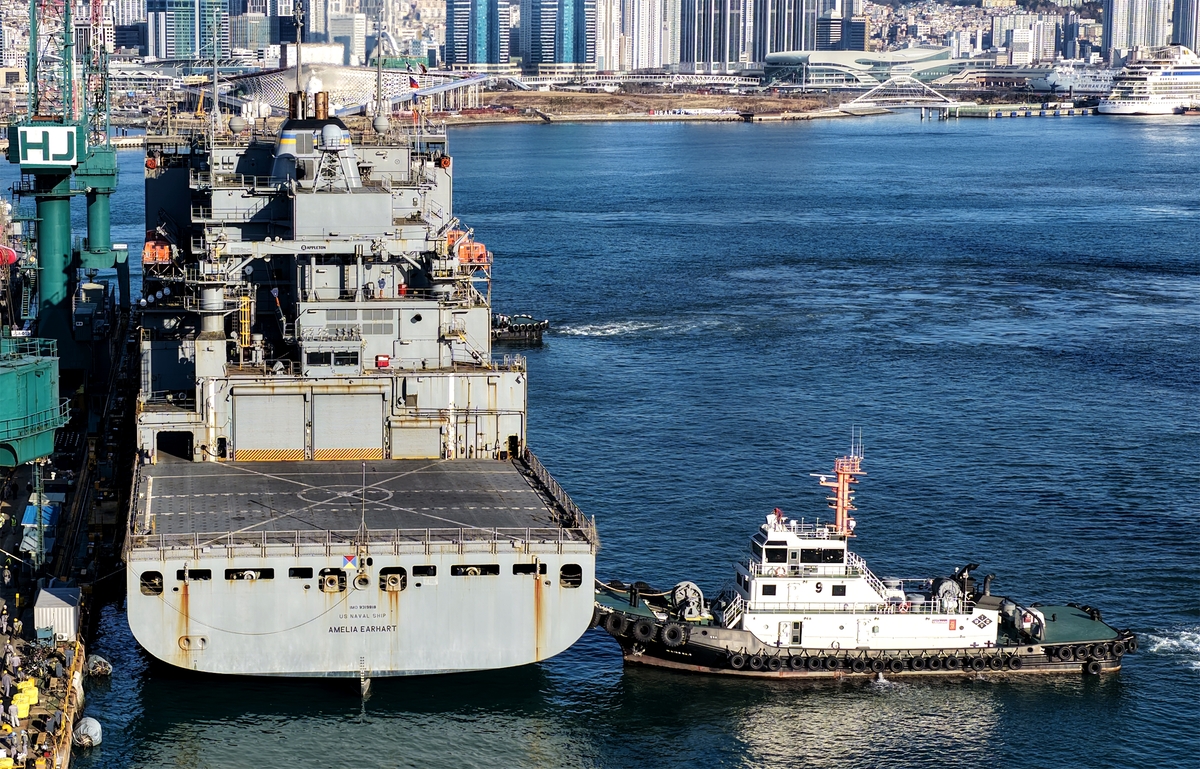
Separately, HD Korea Shipbuilding & Offshore’s Future Technology Institute will lead a project focused on process innovation to raise U.S. warship construction productivity. With the U.S. experiencing severe build delays across platforms from nuclear submarines to Aegis destroyers, South Korea’s advanced manufacturing techniques are being offered as a practical remedy.
The real reason the U.S. turned to Korea
The Navy bypassed U.S. shipyards and selected HD Hyundai because of a stark reality: the United States faces a structural crisis of repeated construction delays for strategic vessels, driven by a shortage of skilled labor and aging shipbuilding infrastructure.
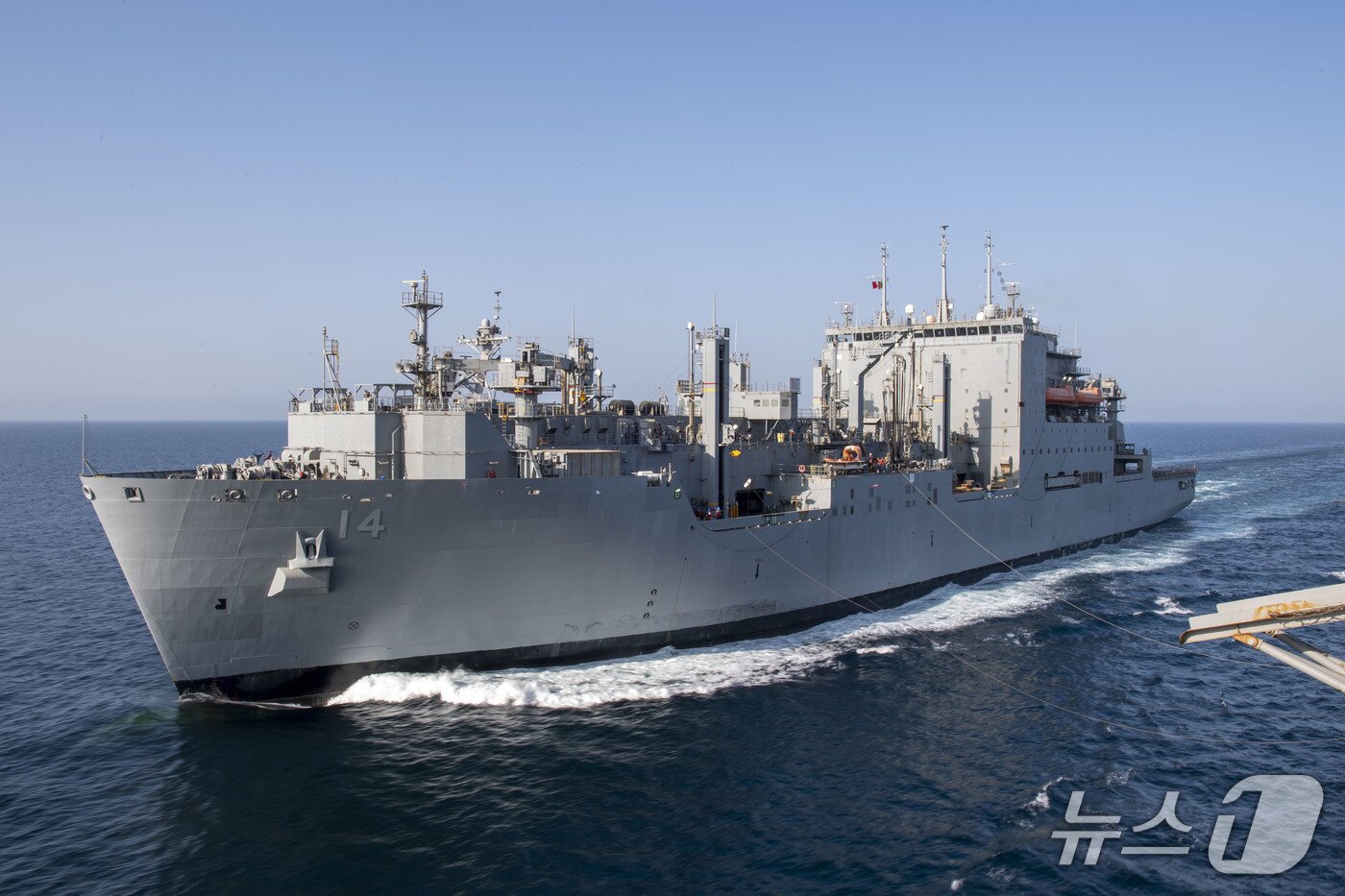
By contrast, South Korea’s shipbuilding sector has built unmatched strengths in smart-yard infrastructure and in accumulating data for autonomous vessels, backed by massive commercial shipbuilding volumes. HD Hyundai’s digital-twin capabilities and AI-driven design tools are viewed as the most practical way for the U.S. Navy to break through limits in its domestic industrial base.
K‑maritime defense secures a ‘guarantee’ that could reshape the global balance
Ju Won‑ho, president of HD Hyundai Heavy Industries, said, “Recognition of HD Hyundai’s technology opens the door to expanded cooperation with the United States in the warship sector.” Having passed strict U.S. security reviews and demanding technical standards to win formal R&D partner status, HD Hyundai now holds a strong position in export talks with Western partners such as Australia and Canada, which are building advanced naval forces.
HD Hyundai’s role in helping sketch U.S. warship designs signals a fundamental shift in South Korea’s place in the global defense supply chain. K‑shipbuilding has emerged as a technology ally that addresses a maritime superpower’s problems with software and digital tools — and that new trajectory is now entering its first major tests.
Trending articles
- “While the world re-arms, South Korea’s top supplemental budget item is fuel-price relief”… rapid-response security funding is effectively ‘absent’
- “The 1% of GDP rule has been broken for the first time in 49 years”…Japan’s defense spending hits 62.2 billion USD (approximately 82.9 trillion KRW), highest in 67 years
- “The cost of higher defense spending is a 2.02-million-metric-ton carbon bill” (about 2.23 million short tons)…military spending wiped out 60% of the industrial sector’s emissions-reduction target















Most Commented