
Translation result
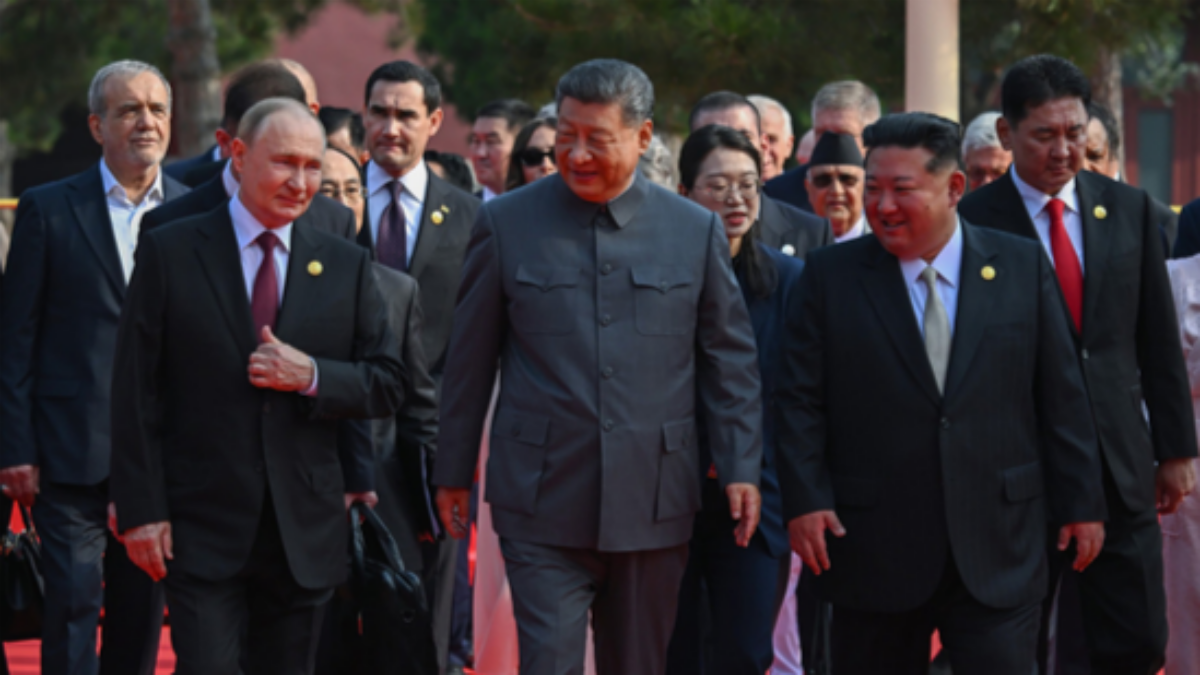
Russian Warships Directly Escort Convoy Suspected of Carrying North Korean Military Supplies
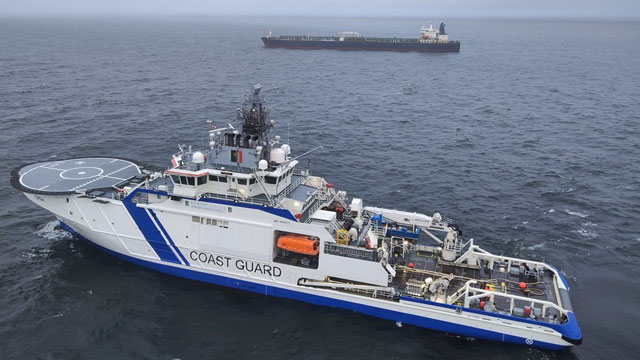
Satellite imagery and tracking data indicate Russian navy vessels directly escorted ships suspected of transporting military materiel from North Korea.
NK News, a U.S.-based outlet specializing in North Korea, reported the Russian warships moved in concert with cargo vessels under international sanctions.
The operation appears to go beyond covert commercial runs: it suggests active state military involvement in suspected arms transfers.
Analysts say the relationship between Pyongyang and Moscow may have shifted from concealed logistics to more overt, risk-tolerant cooperation.
Convoy Passed Through the Korea Strait and Sailed Near Okinawa
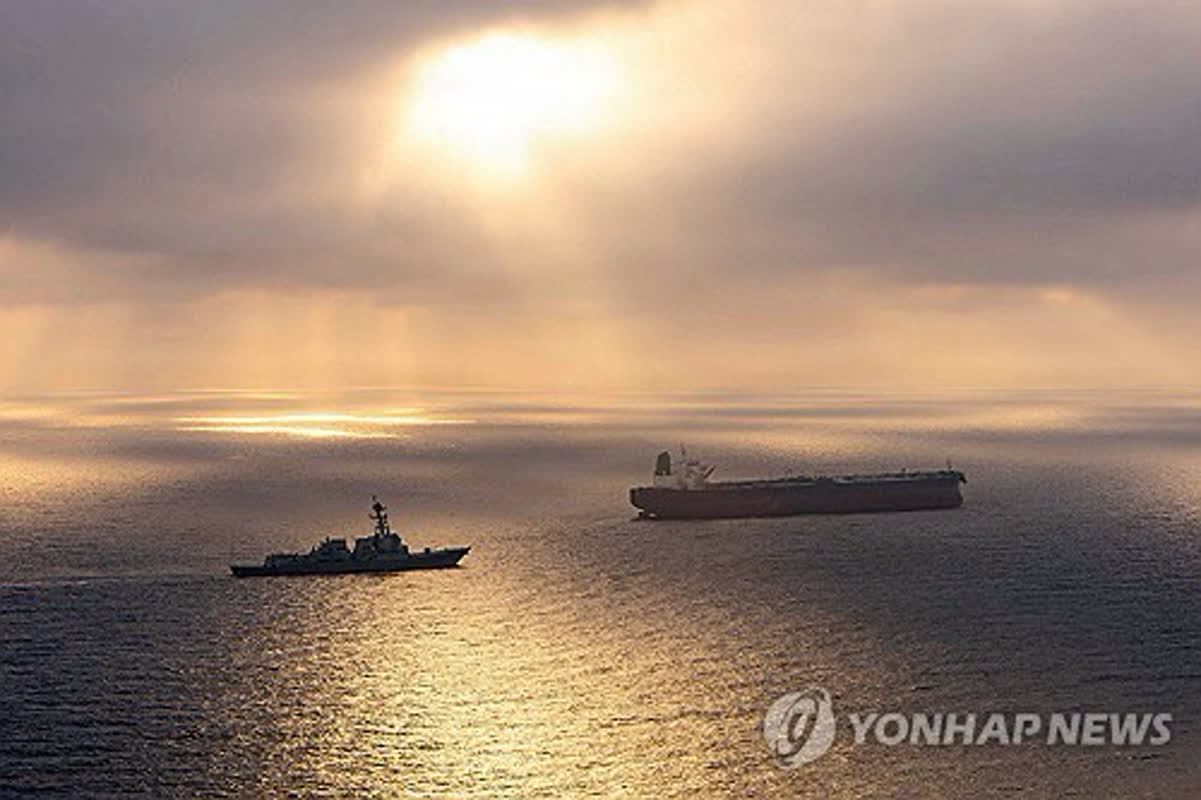
Japan’s Ministry of Defense Joint Staff reported that two Russian warships and two naval logistics vessels transited the Korea Strait alongside six Russian cargo ships.
The group continued south, passing waters off Iriomote Island in Okinawa Prefecture and proceeding on a long-range voyage.
Because the route deviated from routine training lanes and established operational areas, Japanese officials judged the movement noteworthy.
Most striking was how the combatants and freighters operated together as a coordinated group—behavior consistent with a task organized for a specific mission.
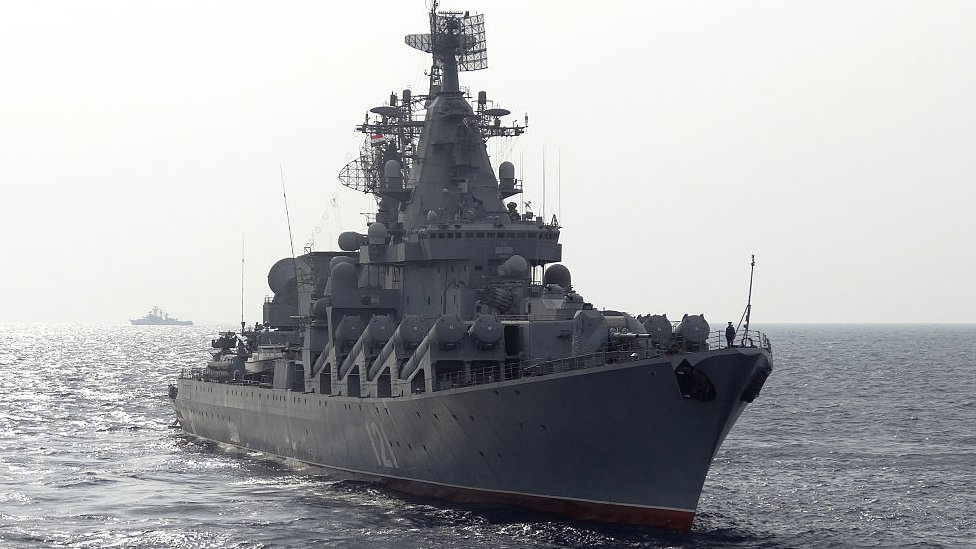
Russia Deployed Modern Steregushchiy‑Class Corvettes
Japanese analysts identified hull numbers 333 and 343, classifying the vessels as Steregushchiy‑class guided‑missile corvettes.
Photo analysis linked those numbers to Sovershenny and Rezki, patrol ships recently assigned to Russia’s Pacific Fleet.
The presence of relatively modern combatants escorting the cargo ships suggests Moscow committed capable naval assets to protect the convoy.
That commitment implies the mission and its cargo were of elevated importance to Russian authorities.
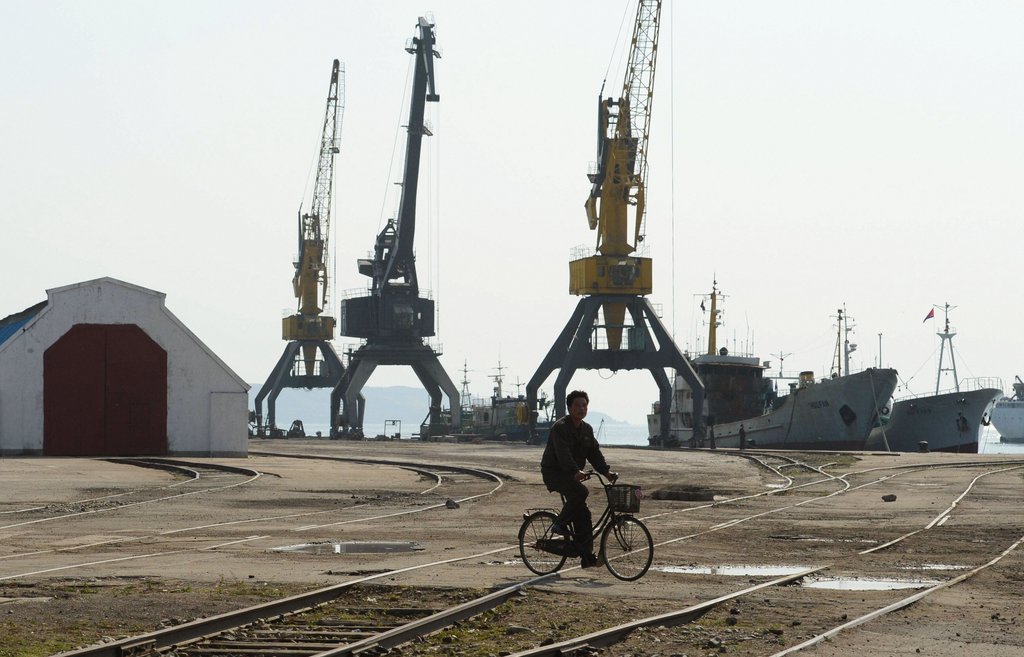
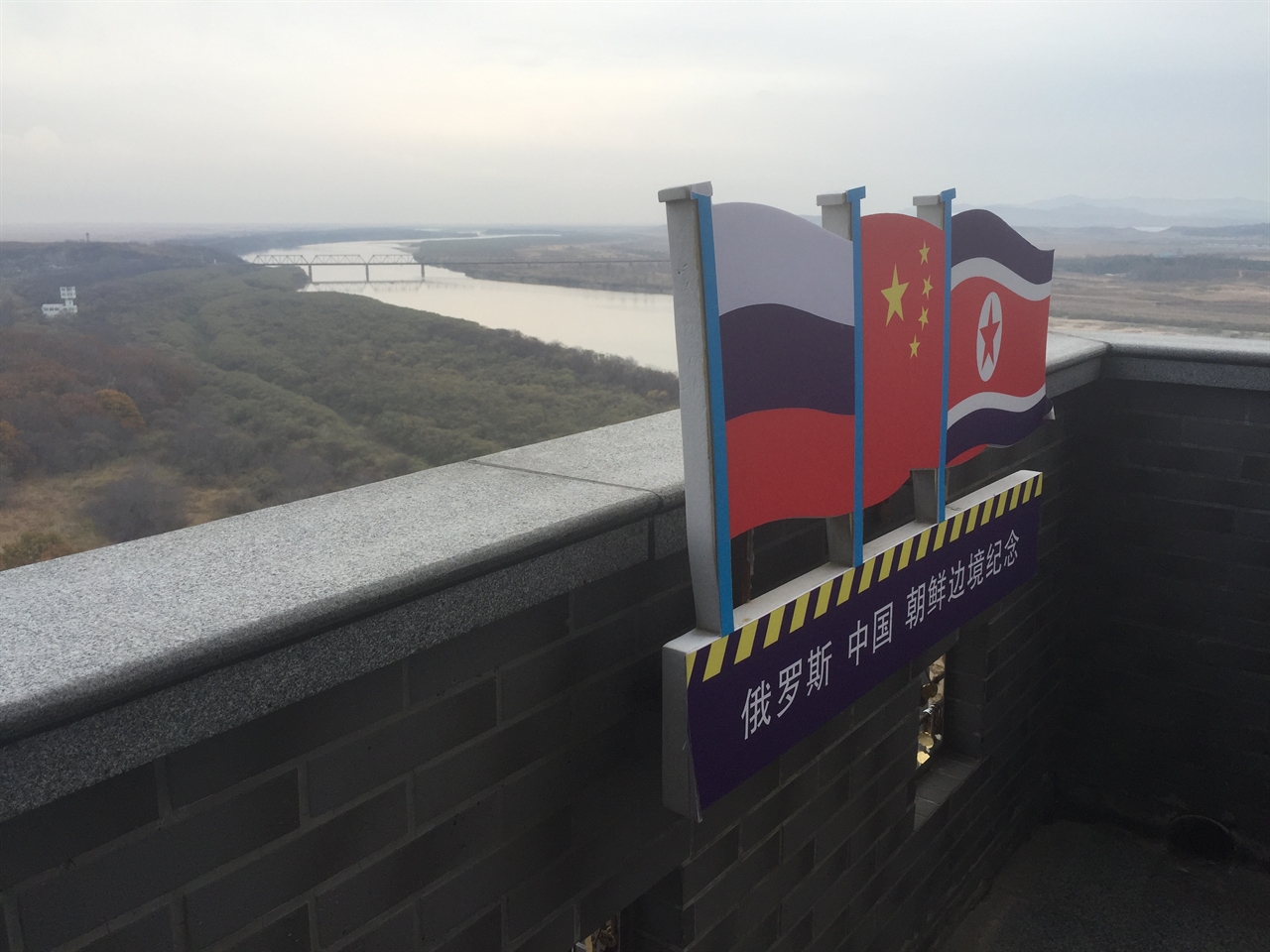
Six Cargo Ships Previously Linked to North Korea’s Rason Port
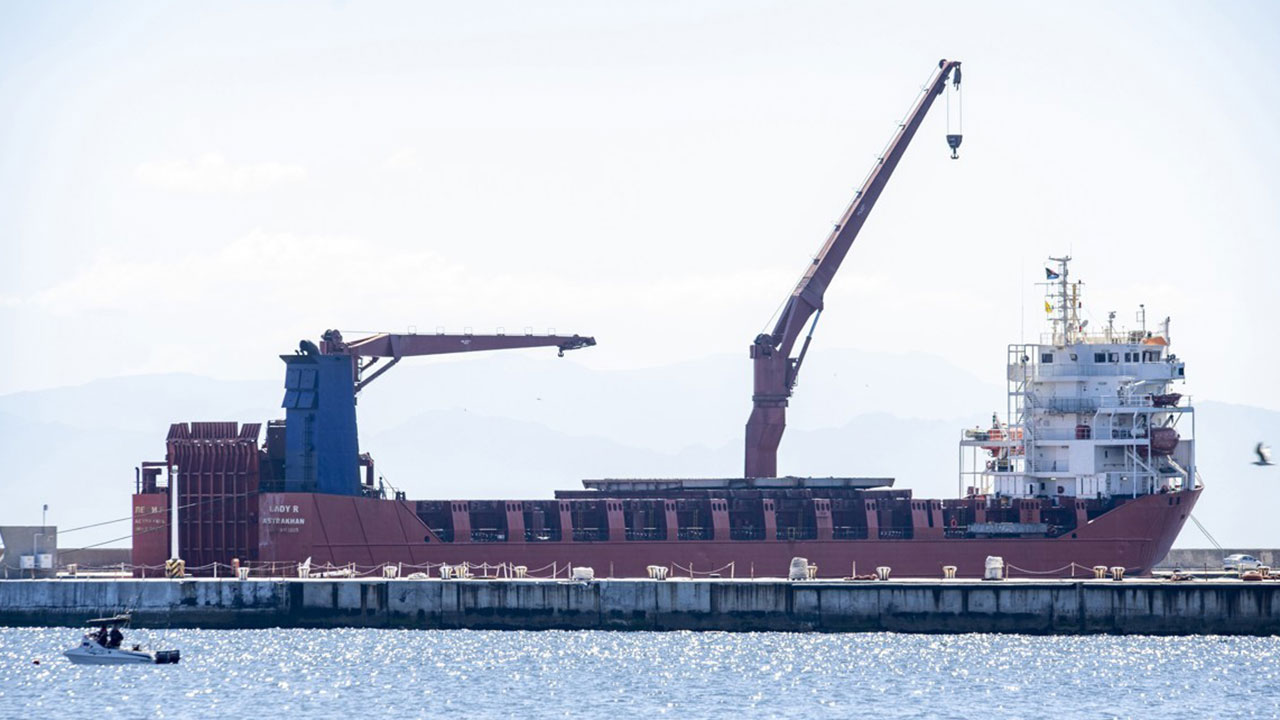
Observers identified the six freighters as Angara, Lady R, Maia‑1, Lady Mariia, Kapitan Danilkin and Lady D.
Angara, Lady R and Maia‑1 have repeatedly been observed loading containers at the Rason port in North Korea.
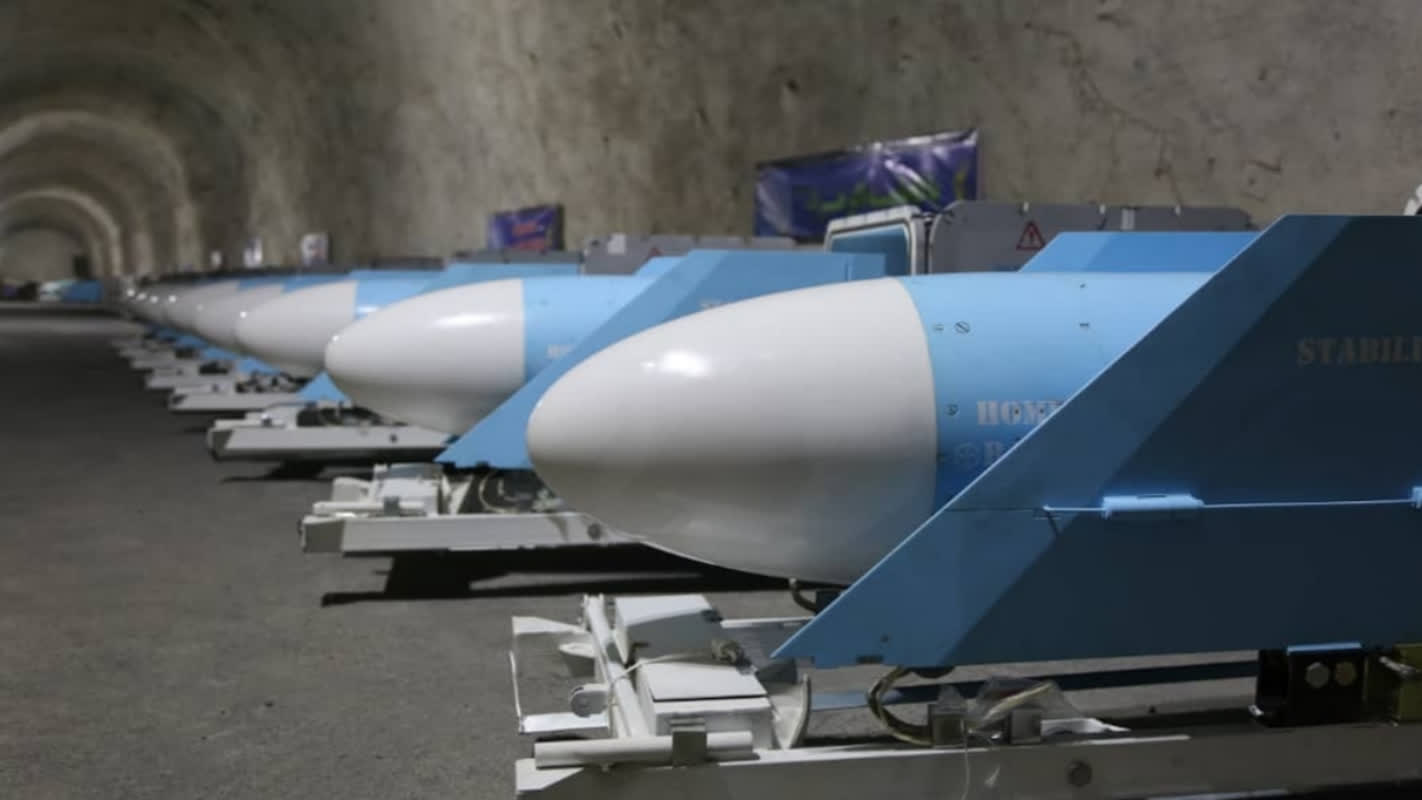
Open‑source analysts have long suspected those containers carried shells, ammunition and other military supplies destined for Russia.
In short, vessels tied to prior North Korea–Russia logistics were active in this latest movement.
Some Ships Turned Off Trackers and Followed Irregular Routes
Commercial vessel tracking shows Maia‑1, Lady D, Lady Mariia and Kapitan Danilkin reached roughly 170–200 nautical miles southeast of Vietnam.
Angara and Lady R, by contrast, reportedly turned off their transponders and continued sailing; authorities later lost contact with them.
Intentionally disabling location transmitters is a well‑established tactic to evade sanctions, conceal illicit cargoes, or carry out unlawful ship‑to‑ship transfers.
Combined with the long transit and anomalous signal outages, the convoy’s behavior diverged markedly from standard merchant operations.
Experts Say North Korea–Russia Arms Trade Has Escalated
Katsuhisa Furukawa, a former expert on the U.N. Security Council’s North Korea sanctions panel, called the convoy’s movement a “clear change.”
He highlighted that the ships transited outside normal operational areas while under Russian naval escort.
Furukawa also noted that assembling six cargo ships into a single escorted formation is unusual and suggested the convoy could be carrying significant quantities of sensitive materiel.
He warned that illicit arms transfers between North Korea and Russia may have reached a new, more organized and larger scale.
Bound for Western Battlefields or Part of Russia’s Export Network?
Furukawa assessed the convoy was likely prepared for long‑range operations.
He said the ultimate destination would determine whether the route was intended to deliver North Korean munitions to western battlefronts or to serve as a transshipment corridor for Russian arms bound for third‑country buyers.
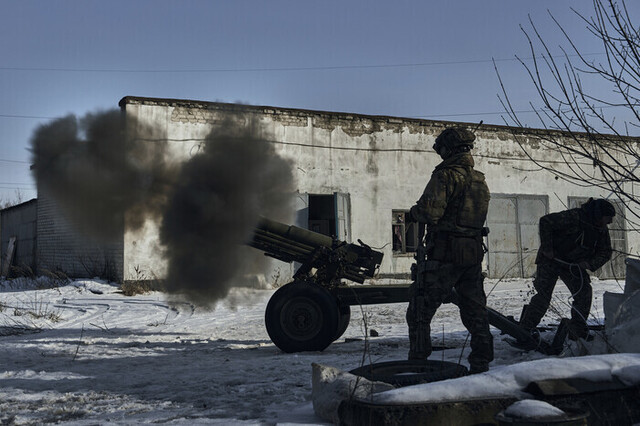
If the former, the route could feed shells and ammunition into European theaters, including those tied to the war in Ukraine.
If the latter, it would indicate North Korean ports are being used as intermediate stops or bypass routes in Russia’s arms export networks.










Most Commented