
Translation result
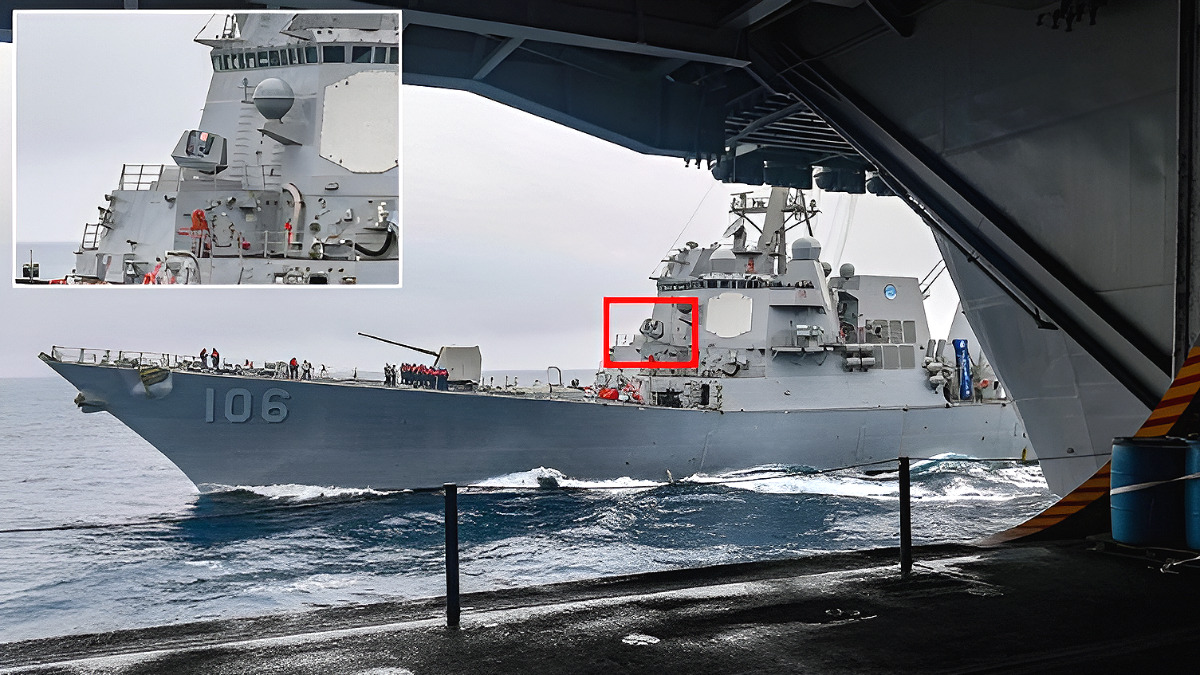
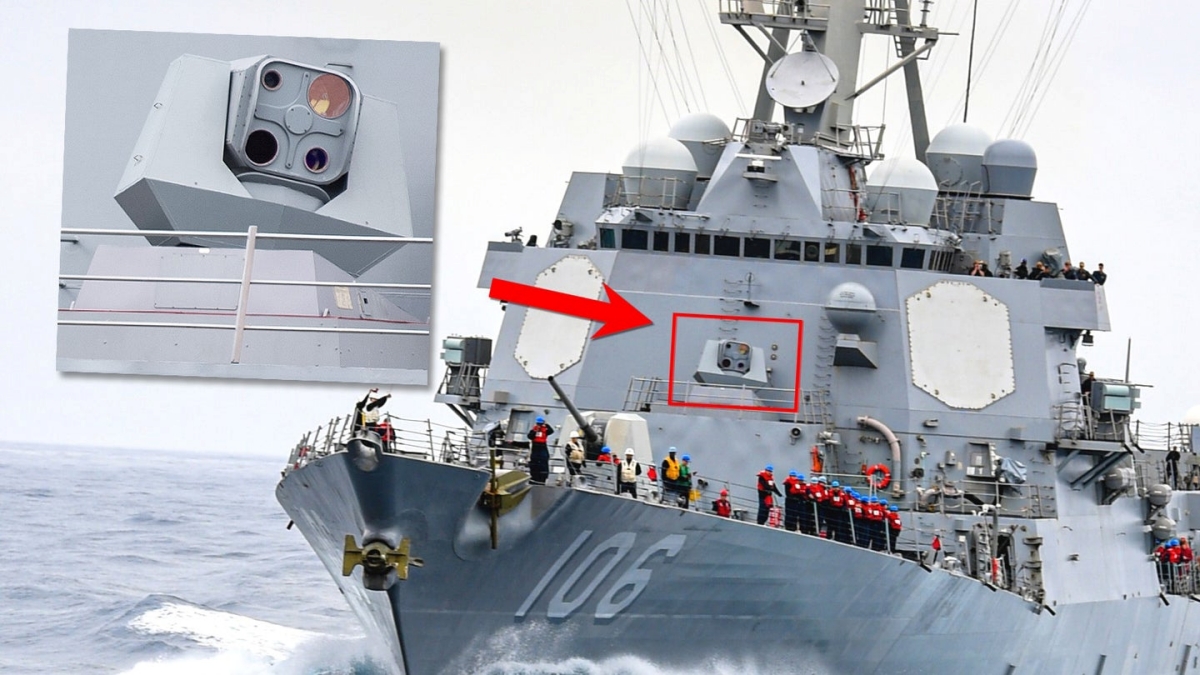
The U.S. Navy has completed its first formal training course to produce specialist operators for the ODIN laser system.
What matters as much as the hardware is that the service now has a formal training pipeline for the sailors who will operate it.
You can’t just bolt a new weapon to a ship and call it combat power. It only becomes operational when leaders set clear rules for who fires it, when and how. ODIN is not a cinematic high‑power beam that instantly melts enemy aircraft.
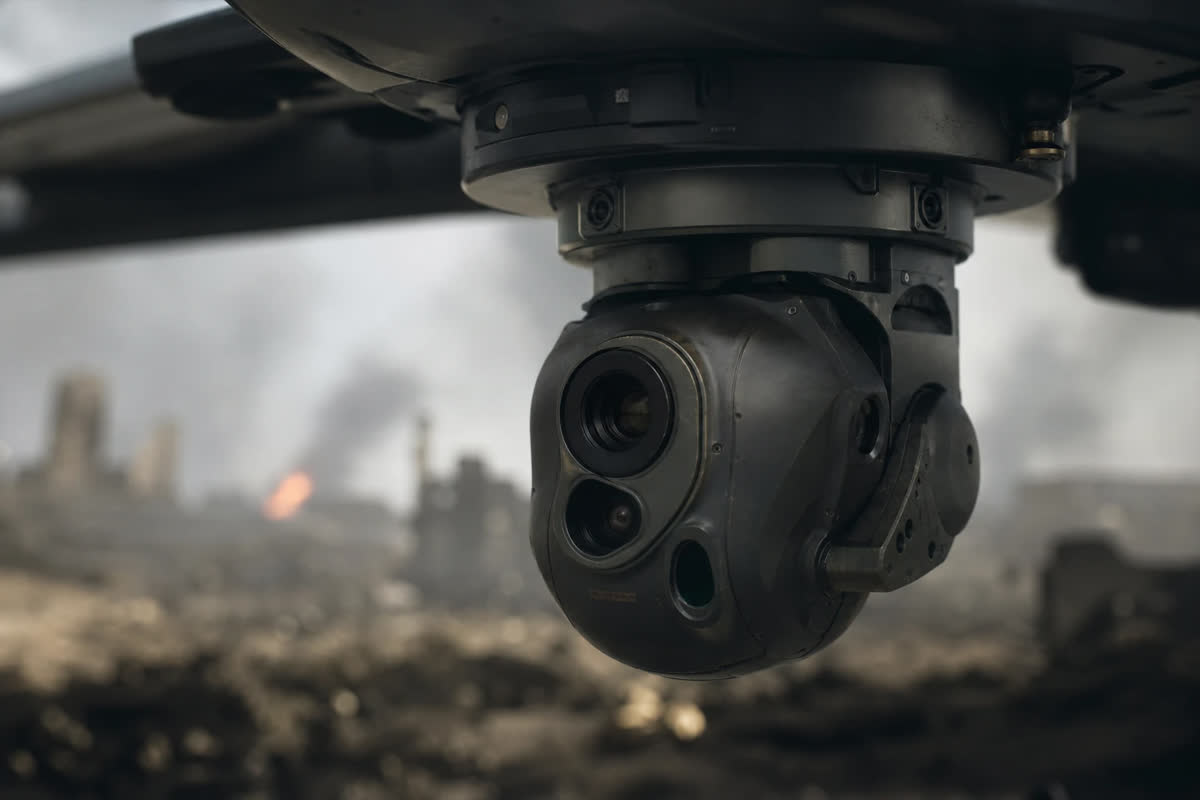
The system uses a low‑power infrared laser to quickly blind a drone’s electro‑optical sensors and cameras. Rather than destroying a platform, it neutralizes reconnaissance and targeting capabilities — a classic soft‑kill approach.
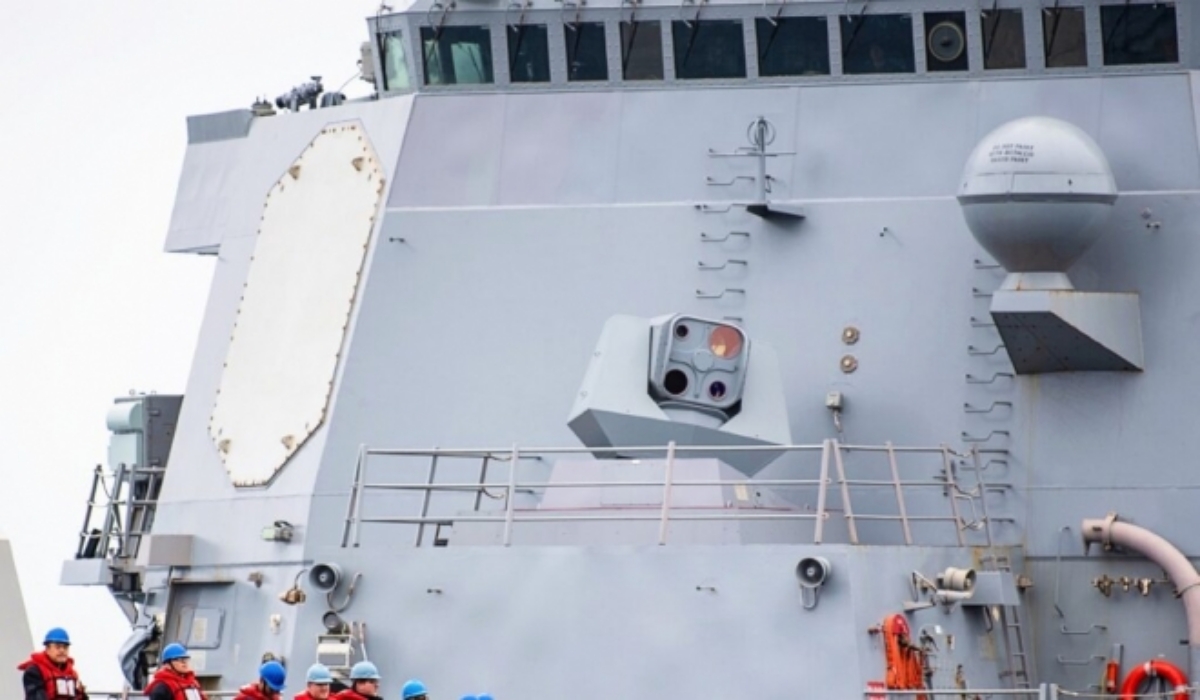
Ship defense has long relied on surface‑to‑air missiles, but cost has been a persistent constraint. Using interceptors costing tens of billions of KRW (approximately several million USD) to shoot down inexpensive commercial or tactical drones is an unsustainable expense for defenders.
Lasers change that calculus. As long as the platform can supply power, the beam can be used repeatedly, transforming the operating‑cost equation. That economy of use is why lasers are emerging as a priority tool for future maritime defense.
Why naval tactics are changing
On modern battlefields, small, inexpensive reconnaissance drones act as the eyes that pave the way for larger anti‑ship missiles. Drones locate friendly ships and stream video and targeting data to follow‑on attackers in real time.
ODIN’s primary mission is not to destroy those drones but to sever the information link and obscure ships from enemy sensors. It does have limits: rain, fog and sea haze can degrade a laser beam’s effectiveness.
Targets equipped with sensor shields or those that maneuver at high speed can blunt the laser’s effect, so ODIN is not a wholesale replacement for missiles. Instead, it fills gaps in layered defense and eases the burden on kinetic interceptors.
The Navy’s move to formal training signals that it now regards lasers as operational weapons, not just experiments. In future engagements, the speed at which commanders integrate them into tactical decision‑making will matter more than raw output power.
A new option in the cost war
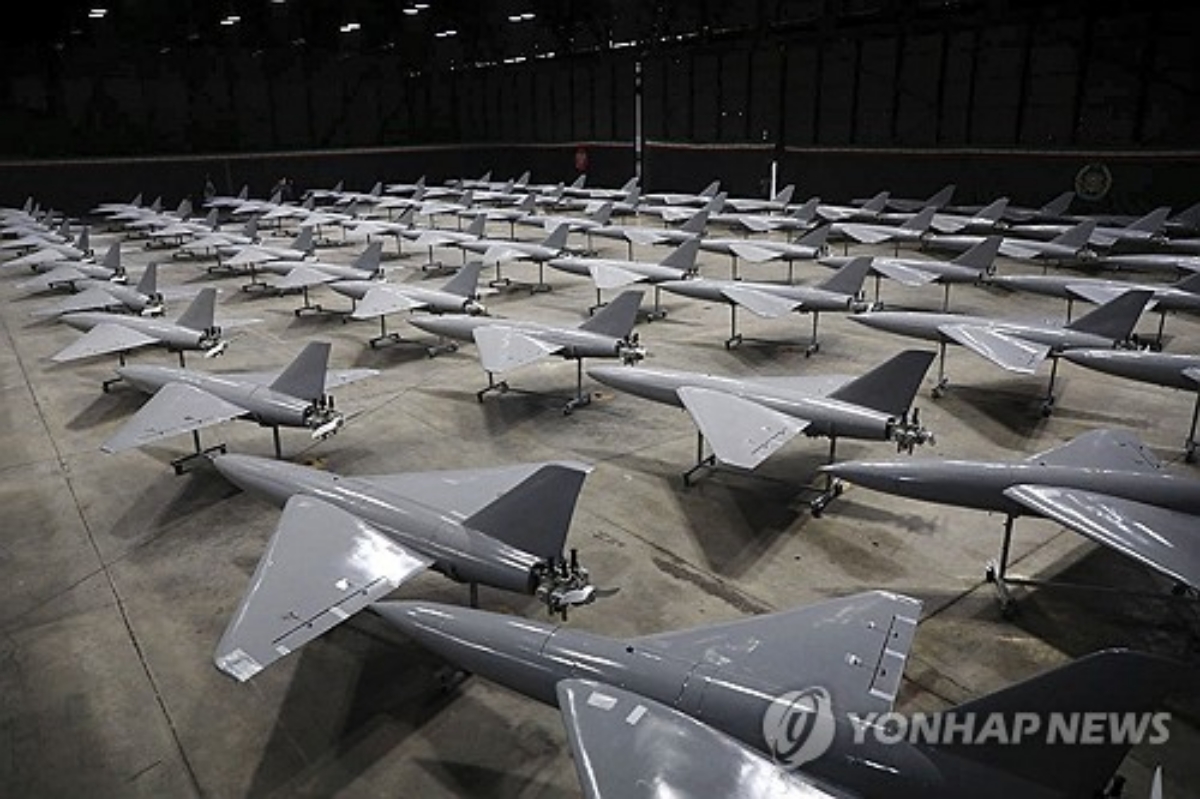
ODIN’s most significant effect is economic: it alters the cost structure of defense. Instead of using interceptors costing tens of billions of KRW (approximately several million USD) against drones that may cost only tens of millions of KRW (approximately $7,500–$75,000), commanders can now consider a much cheaper, repeatable option.
If lasers reliably blunt small‑drone threats, the default choices for ship defense will change. The remaining challenges are technical and legal: reliably distinguishing civilian from military drones and establishing clear rules of engagement for laser employment.
Crews also need procedures to prevent friendly ship sensors from being damaged by stray laser energy during operations. Advanced hardware is useless without disciplined procedures — and that procedural training is a key outcome of this first course.
Warships face a persistent operational weakness: they cannot rapidly replenish ammunition at sea. When drones and missiles attack together, crews should use lasers to sweep away low‑cost threats and save missiles for high‑threat targets.
This approach effectively redesigns ship survivability around new metrics: cost and engagement speed. Emerging technologies are not only changing tactics — they are rewriting the economics of modern naval warfare.
Trending now
- “Don’t have money for an F‑35? Try this” — U.S. rolls out 1,000 advanced radars, China and Russia on high alert
- “Roads destroyed? No problem” — New heavy helicopter breaks front/back defense lines; South Korea orders more
- “Appeared out of nowhere” — U.S. SOCOM weapon that confounds enemy air defenses surprises observers












Most Commented