
How Mini Drones are Revolutionizing Warfare in Korea: Insights from US Military Training
Daniel Kim Views
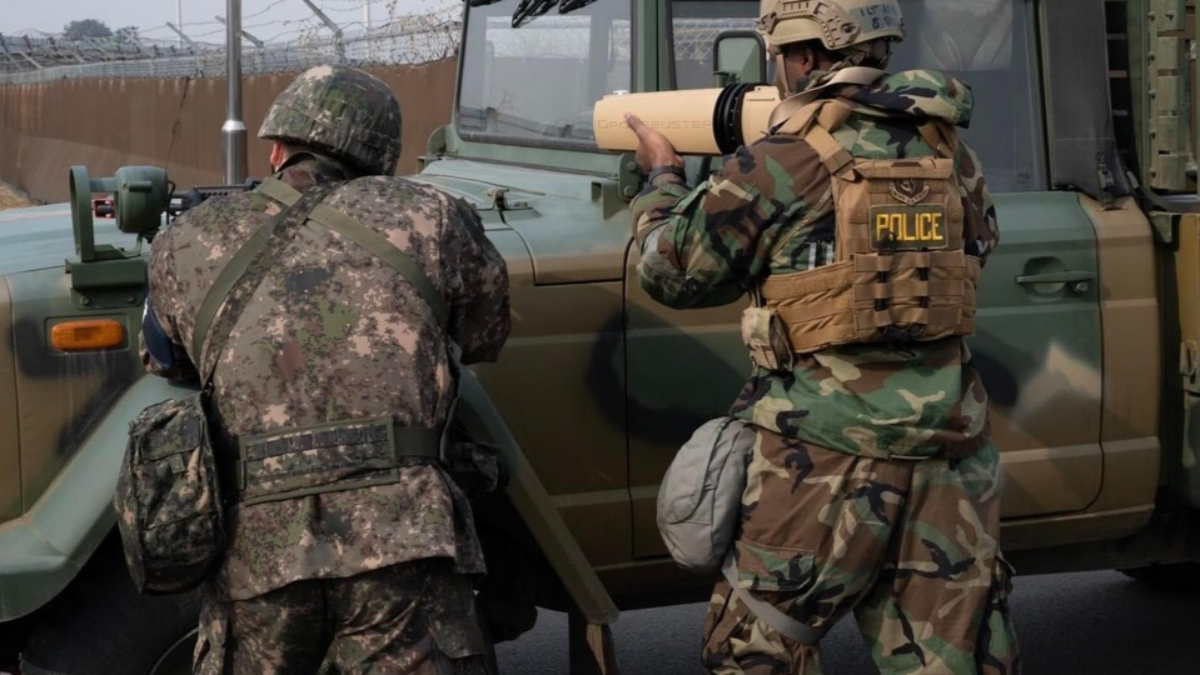
What Palm-Sized Drones Over Pyeongtaek Signal
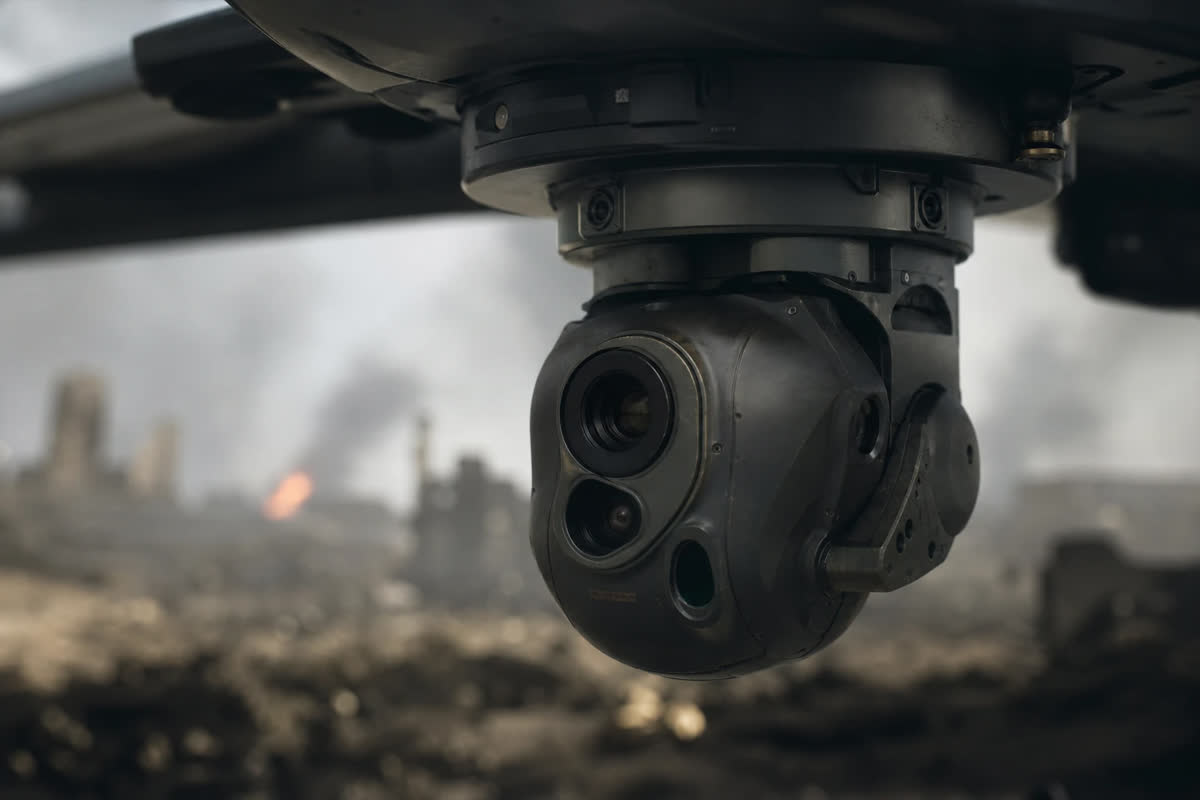
U.S. Forces Korea has started training at Camp Humphreys in Pyeongtaek to employ small drones as combat assets. The move signals a fundamental shift in how the peninsula’s battlefield is conceived since the war in Ukraine. Where helicopters and fighter jets once dominated the skies, even palm-sized unmanned aircraft are now being folded into airpower. For forces that hide in tunnels, mountains or camouflaged bunkers—most notably North Korea—this creates a new, persistent pressure: a camera can appear overhead even when troops believe they are safely underground.
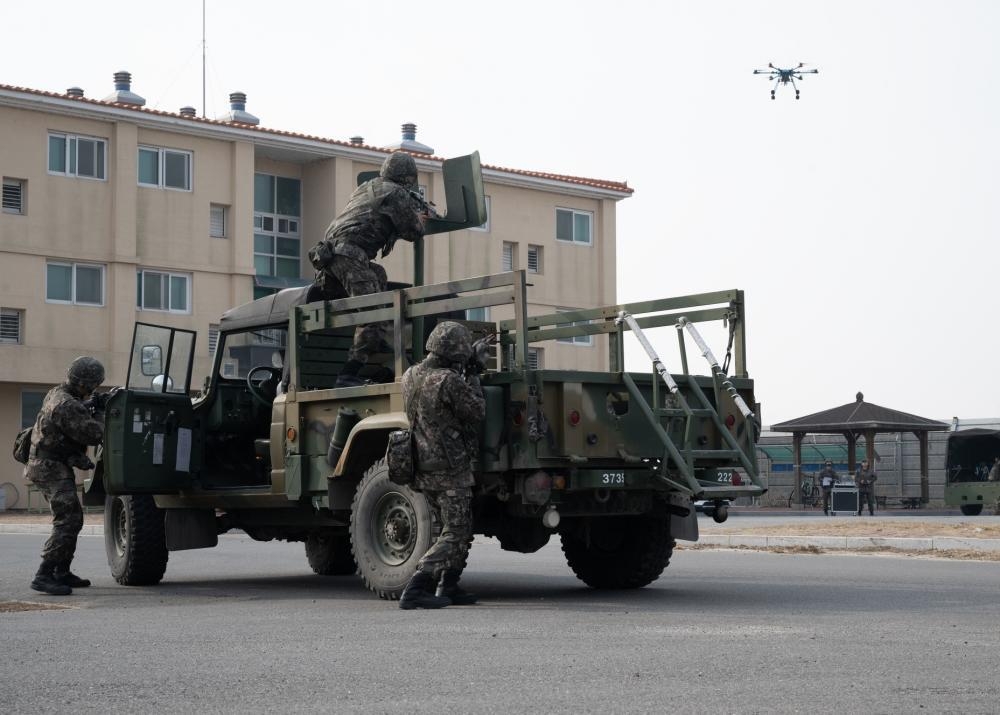
Why Helicopter Units Are Training with Drones
It matters that the trainees came from the 2nd Combat Aviation Brigade rather than an infantry unit. That brigade fields Apaches and Black Hawks for air mobility, fire support and transport. That aviation units are receiving separate instruction in FPV (first‑person‑view) systems and small sUAS shows the old equation—air combat equals helicopters and jets—is breaking down. Commanders intend to use small drones as forward eyes and scouts: operating ahead of helicopters or alongside them as they take the air.
Ukraine’s Lesson: The Rise of Expendable Precision Strike
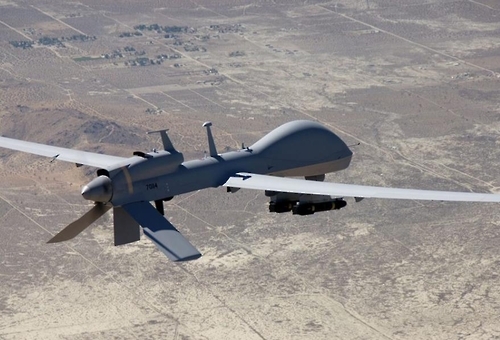
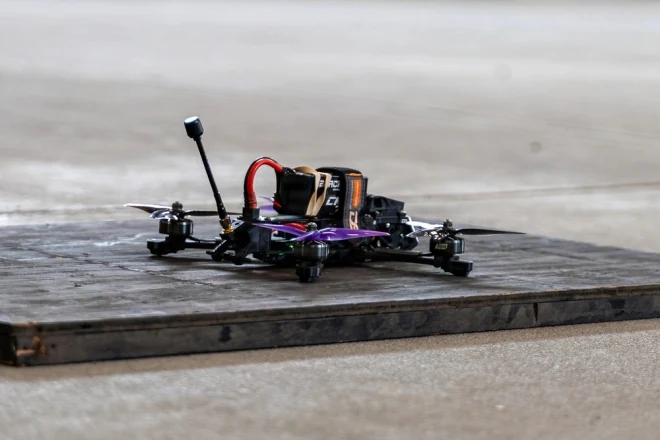
The war in Ukraine has been a real‑world demonstration of how small drones can reshape combat. Commercial drones have been modified to carry explosives into trenches and to strike tanks and armored vehicles from above. FPV systems have been used as piloted, one‑way munitions—operators guide them into targets via an onboard camera. Crucially, those effects were achieved at very low per‑unit cost—often hundreds of thousands to millions of KRW (approximately $75 to $750) apiece—making them an affordable, lethal option. USFK’s training is bringing that concept to the Korean Peninsula.
The Message: Tunnels, Bunkers and Camouflaged Positions Are Exposed
North Korea has long concealed long‑range artillery, rocket systems, mobile missile launchers and special‑forces staging areas in mountains, tunnels and camouflaged facilities. Reconnaissance aircraft, satellites and fixed sensor networks have struggled to track such targets in real time. A small drone launched by a forward soldier changes that dynamic. By sweeping low over trench entrances and beneath camouflage nets, a drone can immediately spot hidden firing ports, vehicles and personnel movements. That allows commanders to provide coordinates to artillery, Apaches or fighters as discrete, individual targets rather than broad lines—undermining the idea that going underground guarantees safety.
Drones Are Both Sword and Shield, and North Korea Uses Them Too
Small drones are not an exclusive advantage for South Korea and U.S. forces—North Korea has repeatedly flown reconnaissance and infiltration UAVs into South Korean airspace. After the 2022 incursions, Seoul and USFK accelerated development of counter‑drone detection and interception systems. This week’s exercises both prepare forces to employ drones effectively and give troops hands‑on experience with the kinds of unmanned threats Pyongyang fields and how to defeat them. The force that understands drones best will be best positioned to counter them.
How the Korean Peninsula Battlefield Will Change
The peninsula’s skies will no longer belong solely to large transports, fighters and helicopters. Palm‑sized FPV drones will buzz over forward outposts, artillery positions and air‑mobility elements, probing for targets and screening friendly forces. Whoever detects the enemy first gains the initiative; survivability will favor units that can persist under threat. USFK’s effort to operationalize small‑drone tactics at Pyeongtaek is part of preparing for a contingency where helicopters and artillery strike from the rear while drones clear the approach and provide the force’s eyes and ears. That is why these drills are likely to be a major concern for Pyongyang.











Most Commented