
Translation result
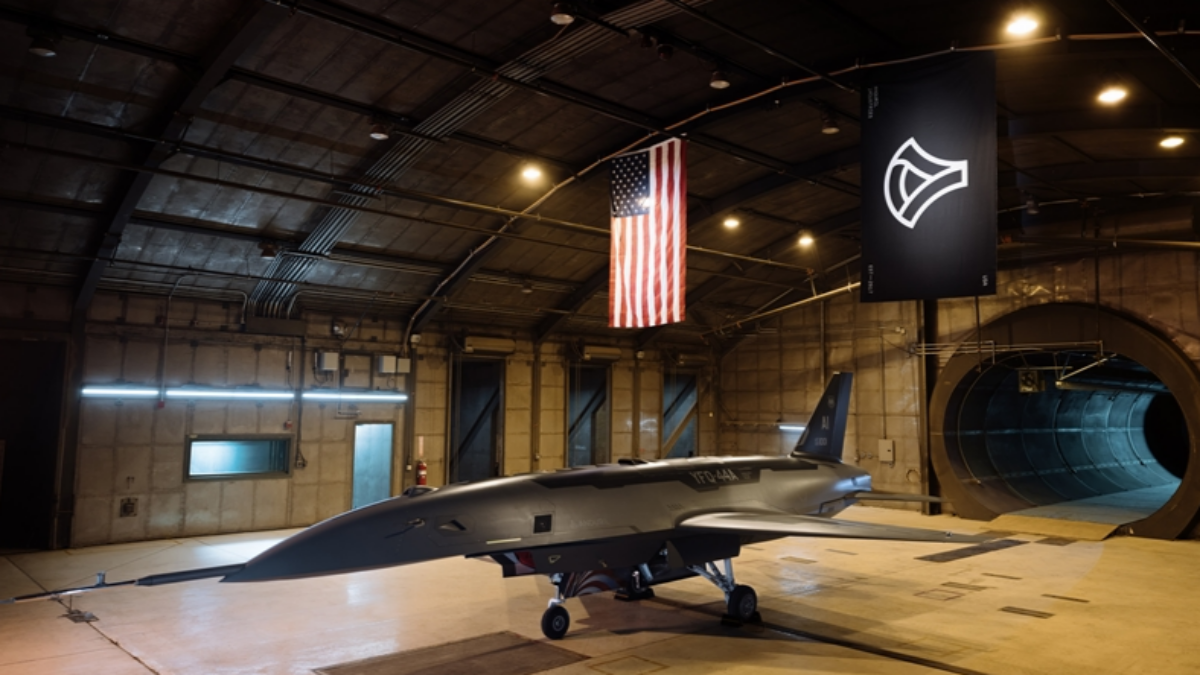
Anduril’s Valuation Doubles in a Year as Capital Floods In
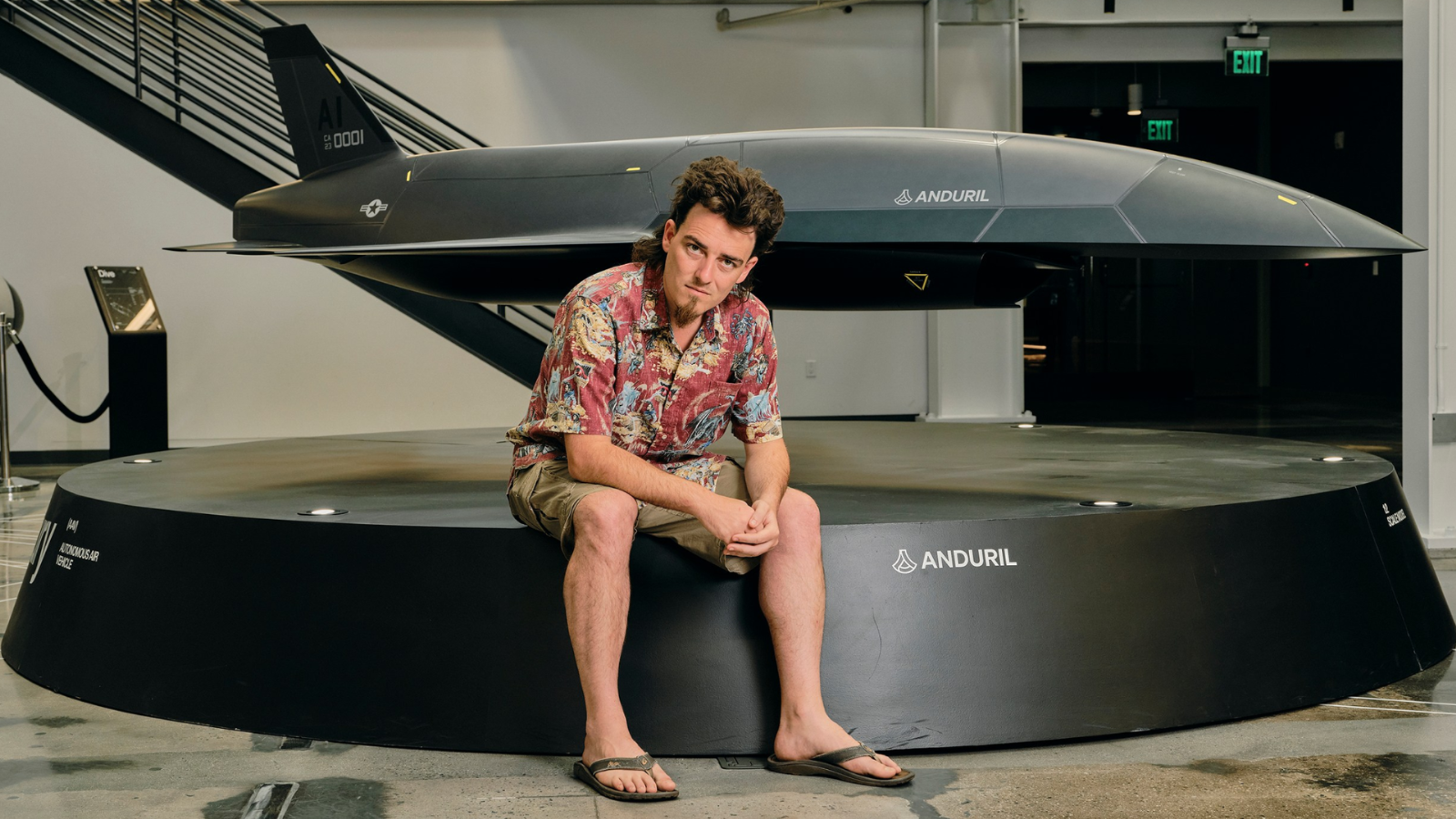
U.S. defense-tech company Anduril saw its valuation double over the past year. A recent funding round put the company at roughly $61 billion — about 90 trillion KRW (approximately $67.5 billion). Last June its valuation was near $30.5 billion. Over the same period, revenue climbed to $2.2 billion, more than doubling year over year, and headcount rose at a comparable rate. The conflict involving the U.S., Israel and Iran — described by some as the first war in which AI played a frontline role — has provided a major tailwind for the company’s growth.
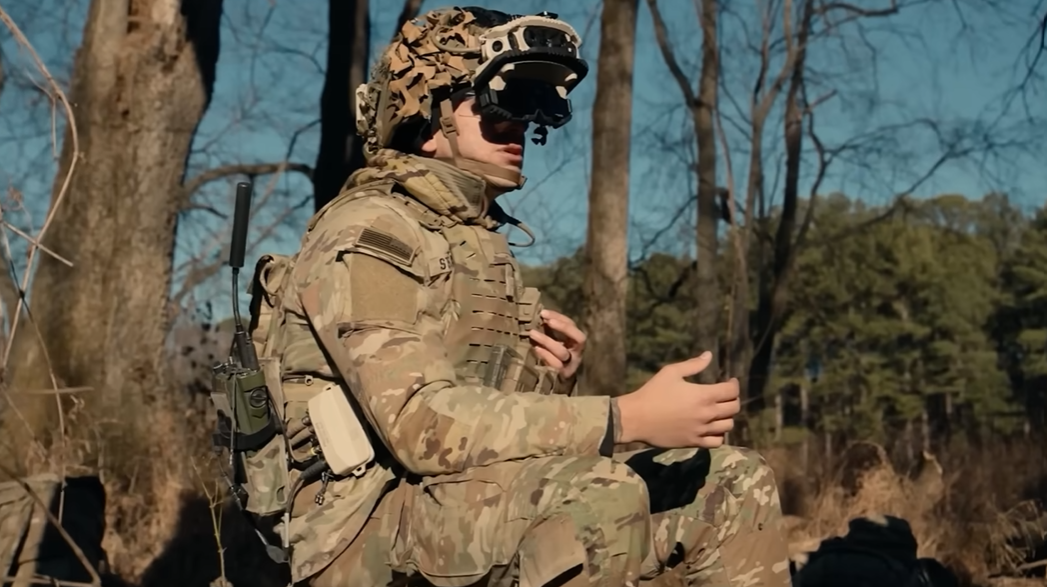
The Logic of AI Defense Targeting a “New Cold War”
Anduril CEO Brian Schimpf recalled that when the company launched in 2017, venture capital rarely flowed into the defense sector. In recent years, U.S.-China strategic competition and conflicts in Iran and Ukraine have shifted investor sentiment. In a letter to shareholders he warned that we are entering a “new Cold War,” arguing that strengthening warfighting capabilities can actually help deter conflict and keep the United States and its allies from being drawn into war. In short, Schimpf is applying AI and unmanned systems to a classic deterrence argument: credible military capability underpins peace.
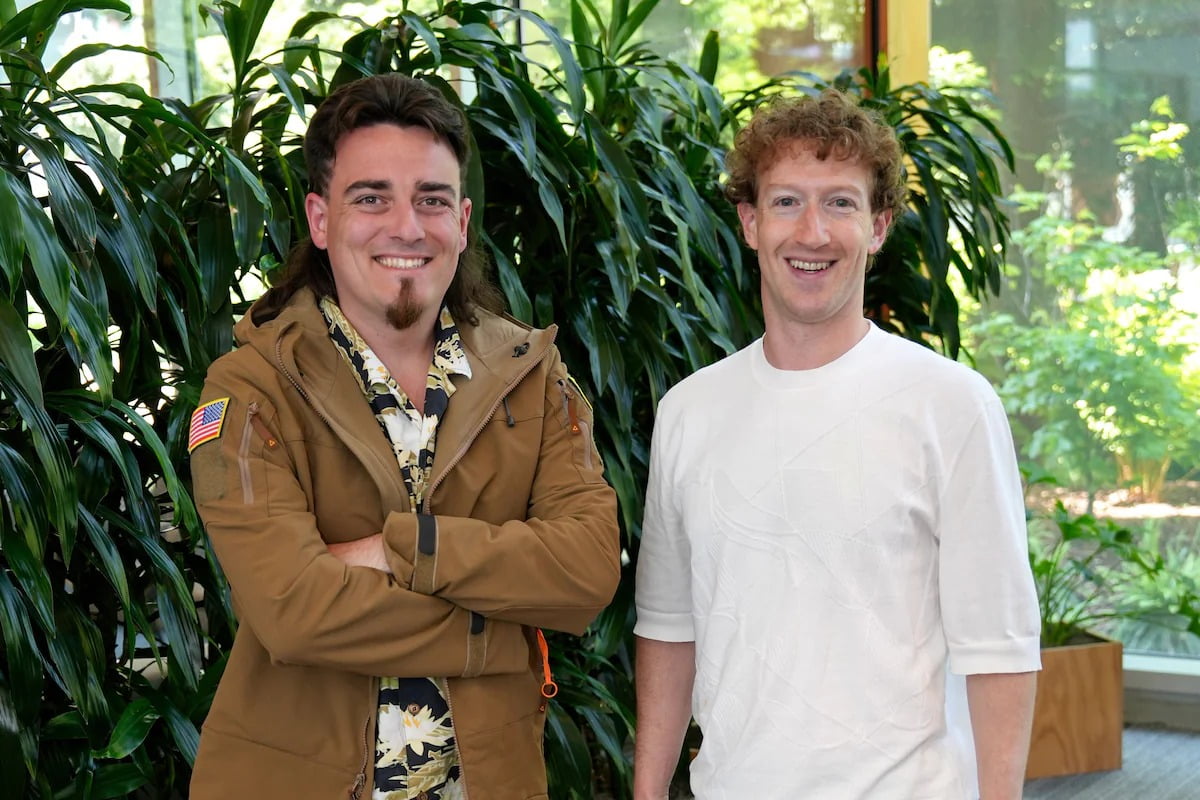
AI and Autonomous Weapons Proven on the Battlefield Are Drawing Investment
Observers have called the recent Iran conflict the “world’s first AI-led war” because the U.S. and Israel widely used AI for target identification, threat classification and drone-swarm operations. Real-time satellite, reconnaissance and sensor data were fused by AI systems that increasingly recommended — and in some cases decided — which targets to strike and which routes drones should take. Firms that provide autonomous surveillance, sensor-fusion software and unmanned systems, like Anduril, can now show combat records to investors. Under a U.S. push to “reindustrialize” defense, the government has actively supported these companies, and capital has flowed rapidly into defense and AI startups.
Shield AI and Saronic See Valuations Surge — “Drones and Unmanned Ships Are Essentials”
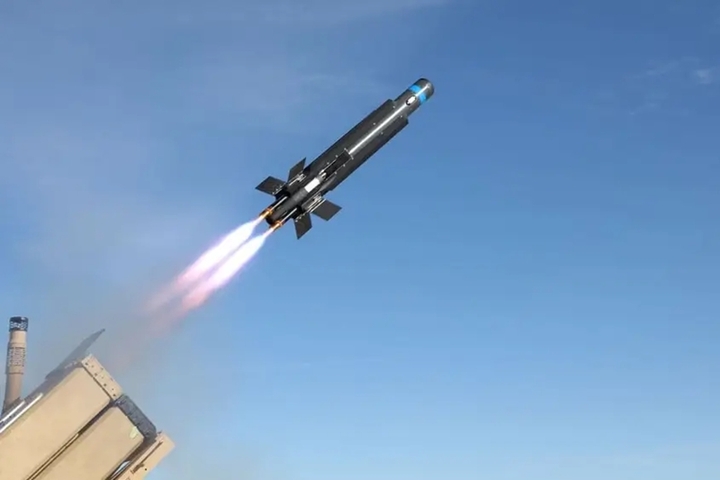
Anduril is not alone. Shield AI, which builds autonomous flight stacks and tactical drones that map buildings and urban terrain without a pilot aboard, raised roughly $2 billion in a Series G this March, lifting its valuation to about $12.7 billion. In maritime autonomy, Saronic raised about $1.75 billion around the same time, pushing its value to roughly $9.25 billion. As battlefield demand for unmanned aircraft and ships surges, these firms have become central suppliers in a new defense ecosystem.
Critics Say “War Makes Fortunes,” Highlighting a Gray Area Between Security and Industry
That explosive growth carries an uncomfortable reality. Active conflicts like the Iran and Ukraine wars supplied companies with real-world data and testing opportunities, which reassured investors and unlocked capital. The cynical refrain that “war makes the rich” has resurfaced. Companies insist they build capabilities to deter conflict, yet markets treat the resulting surge in defense spending and technology demand as a growth engine. The result is a widening gray zone where destruction and human cost occur on one side while corporate valuations and revenues climb on the other.
What This Means for South Korea — and the Challenges Ahead
For South Korea, the trend is more than distant news. Seoul is accelerating development of drones, AI and autonomous weapon systems, and Korean companies could capture the same growth opportunities. At the same time, they must grapple with how those technologies will be used in combat and the political and ethical debates that will follow. For a country facing direct security threats, policymakers will need a nuanced strategy that balances force modernization and defense exports with the moral burdens that come from war and conflict.















Most Commented