Quick access to main page (top) Direct access to main contents Quick access to main page (bottom)

The Struggle of Military Civil Servants: How Rank Confusion is Leading to Workforce Exodus

Daniel Kim Views  

Translation result
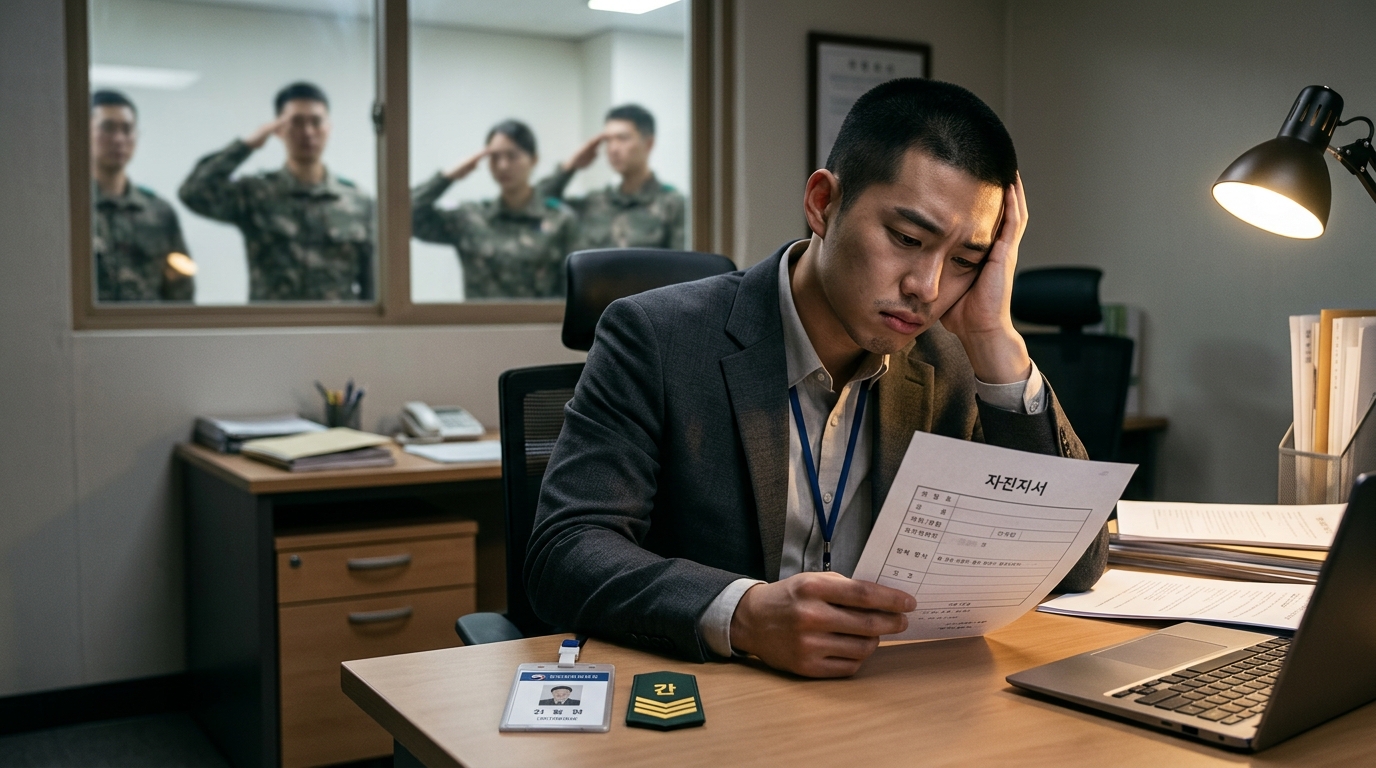
AI
Image generated by AI to help readers understand the article

New civilian hires who passed the civil service exam and joined the Ministry of National Defense say they are being forced to render salutes whenever they encounter officers in their units. They do not wear rank insignia or uniforms and are legally civil servants, but barracks culture treats them as “subordinate soldiers in plain clothes.”

A recent post by a newly hired civilian on an anonymous workplace forum ignited a debate between active-duty officers and veterans over proper courtesies. The status contradictions facing civilian Defense Ministry employees have moved beyond online argument and are driving measurable turnover, making this a defense issue with implications for force readiness.
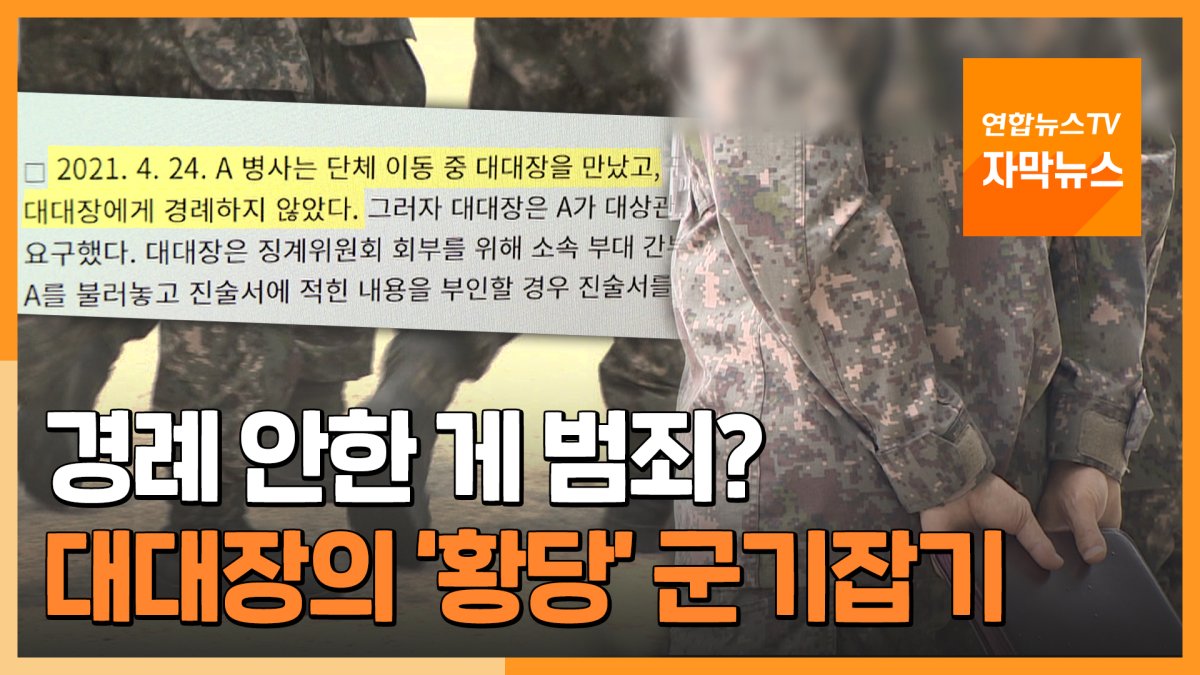
군기잡기
Discipline enforcement scene showing forced salutes / Yonhap News Agency

Legally civil servants, treated like soldiers

Under current law, civilian employees of the Defense Ministry are classified as special-position civil servants attached to the ministry. They fall under the military penal code and can be subject to court-martial, but the military personnel law does not confer formal “ranks” on them. Regulations formally describe civilian staff as peers entitled to mutual respect and cooperation with active-duty personnel, not as subordinates.

Internally, a grade-9 civilian is often equated to a noncommissioned officer or junior officer, while a grade-5 civilian is treated on par with field-grade officers in internal pay-and-treatment tables. But those tables are reference points for compensation and benefits; they do not establish a clear protocol for ceremonial courtesies such as saluting.

In the field, practice overrides the rules
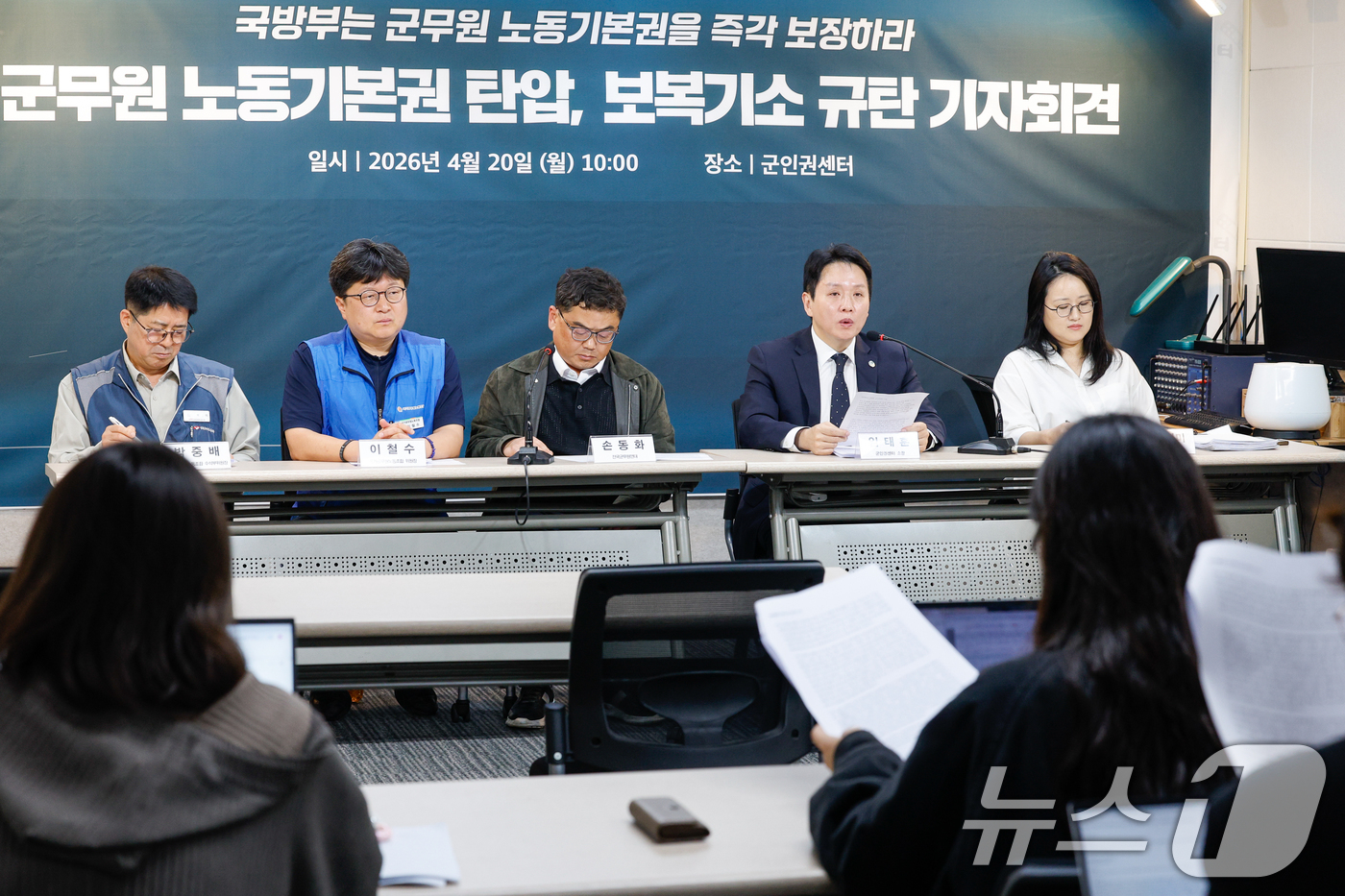
군무원
Rally drawing attention to civilian employees’ conditions / News1

Frontline units often operate at odds with the rulebook. When a junior officer arrives and a lower-ranked civilian employee does not render a military-style salute, some interpret it as discourtesy. Conversely, enlisted soldiers frequently hesitate, unsure whether to salute a grade-5 civilian. That gap in the rules breeds confusion and can spark needless tension between commanders and civilian staff.

The confusion runs both ways. Civilian employees are frequently assigned soldier-level duties—guard rotations, weapons handling and other responsibilities—but they are excluded from housing support and many hazard pays. Command and discipline follow military norms, while welfare and benefits follow civil-service standards. That double standard has become structurally entrenched.

Declining morale is draining administrative capacity
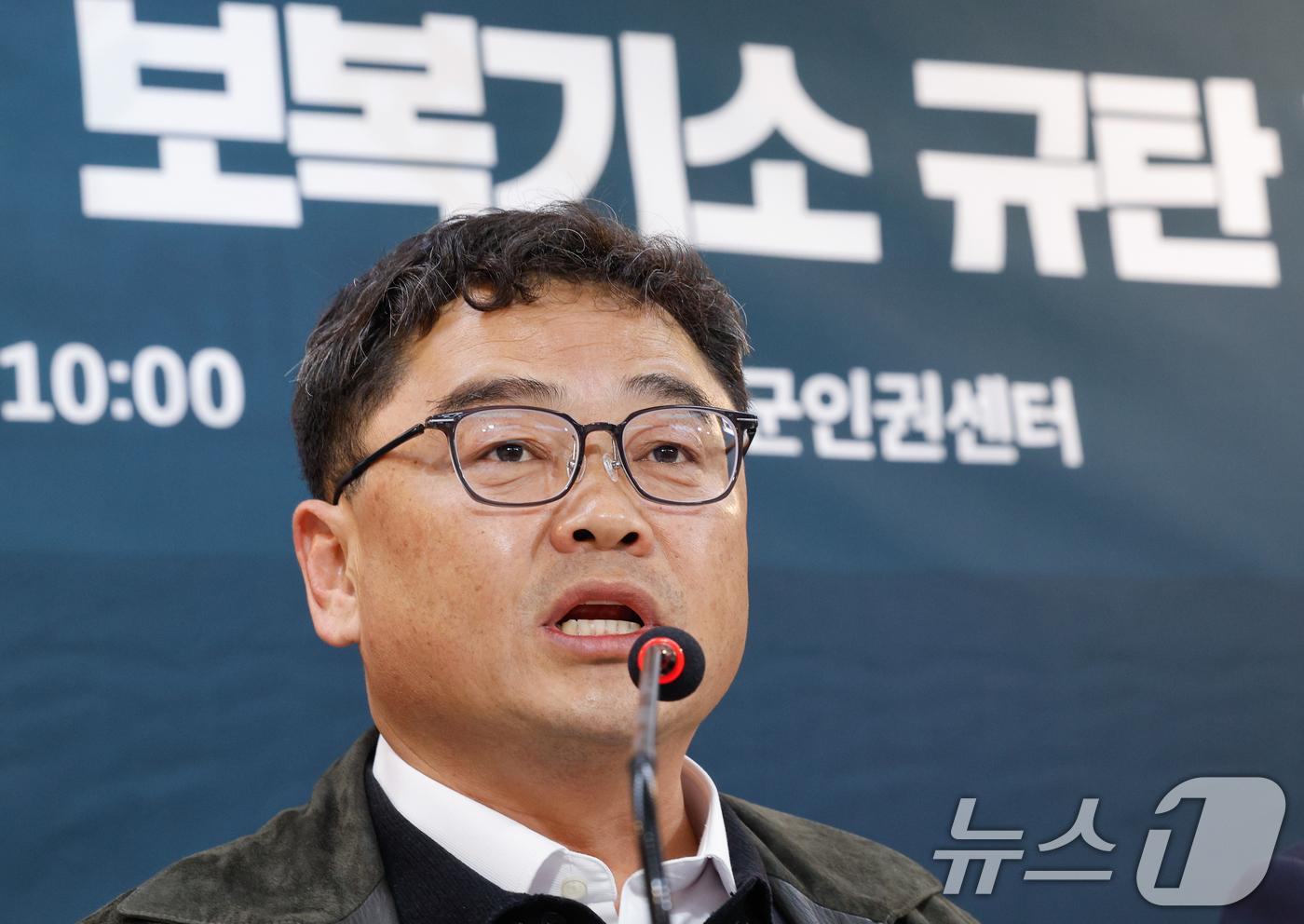
군무원
Rally demanding protection of civilian employees’ rights / News1

That identity confusion is a key driver of early resignations. Young hires who joined expecting a stable civil-service career say being subjected to military-style orders and forced salutes leaves them feeling like “second-class soldiers.” Falling morale is not just a personal grievance. As civilian staff who handle frontline administration and logistics depart, gaps appear across the support system that sustains combat units.

Civilian Defense Ministry employees are not combat riflemen, but they are essential noncombat personnel who keep units operational. Until authorities redefine their job identity and standards of treatment clearly—in law and in practice—the inertia of barracks culture will continue to push talent out and leave structural vulnerabilities in the defense system.

Most Popular

  • “About 100 leave the uniform each year” — 896 experienced pilots left over nine years as the Air Force faces a recurring manpower drain
  • “North Korea has 50 nuclear warheads; there’s no way to stop them” — U.N. paralysis triggers emergency as a new Cold War reshapes the Korean Peninsula
  • “All bidders failed on a 465.1 billion KRW (approximately $348.8 million)” — an unprecedented mass rejection

Most Popular

  • “About 100 leave the uniform each year” — 896 experienced pilots left over nine years as the Air Force faces a recurring manpower drain
  • “North Korea has 50 nuclear warheads; there’s no way to stop them” — U.N. paralysis triggers emergency as a new Cold War reshapes the Korean Peninsula
  • “All bidders failed on a 465.1 billion KRW (approximately $348.8 million)” — an unprecedented mass rejection
Daniel Kim
content@tenbizt.com

Comments0

300

Comments0

[Military] Latest Stories

  • 30 of 33 Iran Missile Bases Still Active: Intelligence Defies Trump Claims
    30 of 33 Iran Missile Bases Still Active: Intelligence Defies Trump Claims
  • US Javelin Missiles Deployed in Taiwan’s High-Stakes Live-Fire Drill
    US Javelin Missiles Deployed in Taiwan's High-Stakes Live-Fire Drill
  • North Korea’s 10-Year Nuclear Threat: Is a Limited Strike Imminent?
    North Korea's 10-Year Nuclear Threat: Is a Limited Strike Imminent?
  • AI vs. Video Compression: How RMX is Redefining Tactical Edge Tech
    AI vs. Video Compression: How RMX is Redefining Tactical Edge Tech
  • US-South Korea Security Meeting Sparks Tension Over Military Control
    US-South Korea Security Meeting Sparks Tension Over Military Control
  • Iran Claims Missile Strikes on U.S. Military Bases: Did They Hit?
    Iran Claims Missile Strikes on U.S. Military Bases: Did They Hit?

Weekly Best Articles

  • Choi Dong-seok’s Family Bond: How a Simple Engraving Reveals Deep Love for His Children
  • Kwak Sun-hee’s Stunning Wedding Photos: A Celebration of Love and Courage
  • Is ‘I Am a Natural Person’ Just a Big Lie? Comedian Yoon-taek Reveals Shocking Secrets!
  • Health Scare: Why Fans Are Worried About Go Ji Yong’s Dramatic Weight Loss
  • Discover the Winter Gongju Chestnut Festival: A Taste of Korea at H-Mart in the USA!
  • 2026 Spring Wildfire Prevention: How Gyeryong City is Cutting Response Time to 30 Minutes!

You May Also Like

  • 1
    Trump Slashes AI Review Window to 30 Days Amid National Security Debate

    Politics 

    Trump Slashes AI Review Window to 30 Days Amid National Security Debate
  • 2
    Ukraine’s EU Bid Surges as Hungary Drops Opposition Amid Russian Attacks

    Politics 

    Ukraine’s EU Bid Surges as Hungary Drops Opposition Amid Russian Attacks
  • 3
    Trump Backs Colombia's 'El Tigre' — What It Means for U.S. Relations

    Politics 

    Trump Backs Colombia’s ‘El Tigre’ — What It Means for U.S. Relations
  • 4
    Trump Backs Colombia's Far-Right Outsider—What's at Stake?

    Politics 

    Trump Backs Colombia’s Far-Right Outsider—What’s at Stake?
  • 5
    12.5% Tariff Hit: South Korea Faces New U.S. Trade Penalties

    Politics 

    12.5% Tariff Hit: South Korea Faces New U.S. Trade Penalties

Popular Now

  • 1
    12.5% Tariff Alert: Why the U.S. Is Targeting South Korean Imports

    Politics&nbsp

  • 2
    Marta Kostyuk Makes History at French Open Amid Ukraine Crisis

    Politics&nbsp

  • 3
    37 Years in Exile: The Tiananmen Leader Who Just Wants to Go Home

    Politics&nbsp

  • 4
    South Korea's Cheongju Airport Faces Crisis as Passenger Numbers Explode

    Politics&nbsp

  • 5
    Nuclear Submarine Race: South Korea's High-Stakes Bid for U.S. Fuel

    Politics&nbsp

Weekly Best Articles

  • Choi Dong-seok’s Family Bond: How a Simple Engraving Reveals Deep Love for His Children
  • Kwak Sun-hee’s Stunning Wedding Photos: A Celebration of Love and Courage
  • Is ‘I Am a Natural Person’ Just a Big Lie? Comedian Yoon-taek Reveals Shocking Secrets!
  • Health Scare: Why Fans Are Worried About Go Ji Yong’s Dramatic Weight Loss
  • Discover the Winter Gongju Chestnut Festival: A Taste of Korea at H-Mart in the USA!
  • 2026 Spring Wildfire Prevention: How Gyeryong City is Cutting Response Time to 30 Minutes!

Must-Reads

  • 1
    Trump Slashes AI Review Window to 30 Days Amid National Security Debate

    Politics 

    Trump Slashes AI Review Window to 30 Days Amid National Security Debate
  • 2
    Ukraine’s EU Bid Surges as Hungary Drops Opposition Amid Russian Attacks

    Politics 

    Ukraine’s EU Bid Surges as Hungary Drops Opposition Amid Russian Attacks
  • 3
    Trump Backs Colombia's 'El Tigre' — What It Means for U.S. Relations

    Politics 

    Trump Backs Colombia’s ‘El Tigre’ — What It Means for U.S. Relations
  • 4
    Trump Backs Colombia's Far-Right Outsider—What's at Stake?

    Politics 

    Trump Backs Colombia’s Far-Right Outsider—What’s at Stake?
  • 5
    12.5% Tariff Hit: South Korea Faces New U.S. Trade Penalties

    Politics 

    12.5% Tariff Hit: South Korea Faces New U.S. Trade Penalties

Popular Now

  • 1
    12.5% Tariff Alert: Why the U.S. Is Targeting South Korean Imports

    Politics 

  • 2
    Marta Kostyuk Makes History at French Open Amid Ukraine Crisis

    Politics 

  • 3
    37 Years in Exile: The Tiananmen Leader Who Just Wants to Go Home

    Politics 

  • 4
    South Korea's Cheongju Airport Faces Crisis as Passenger Numbers Explode

    Politics 

  • 5
    Nuclear Submarine Race: South Korea's High-Stakes Bid for U.S. Fuel

    Politics