
Is South Korea Really the 5th Most Powerful Military? A Deep Dive into GFP Rankings
Daniel Kim Views
Translation result
Recently, the government has promoted a claim that South Korea ranks fifth globally in military strength as evidence of confidence in its defense capabilities.
But critics point out the private index behind that flashy scorecard excludes asymmetric capabilities—most notably North Korea’s nuclear arsenal—which raises concern that Seoul could misjudge the real security environment.
A rankings list built for entertainment hides a partial picture of military strength
The index at the center of the debate is the country rankings produced by U.S.-based private site Global Firepower (GFP).
According to GFP’s data, South Korea ranked fifth worldwide in 2026, while North Korea ranked 31st. Seoul has used those figures to argue it holds an overwhelming advantage and does not need to rely on foreign forces.
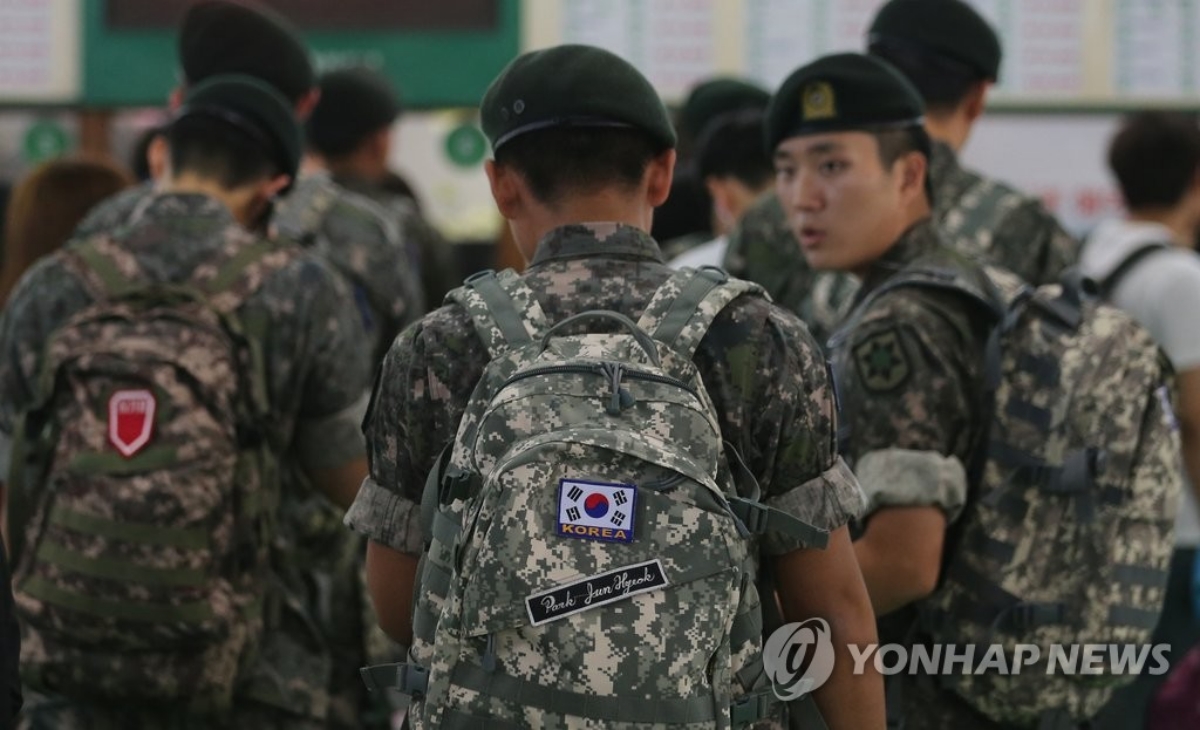
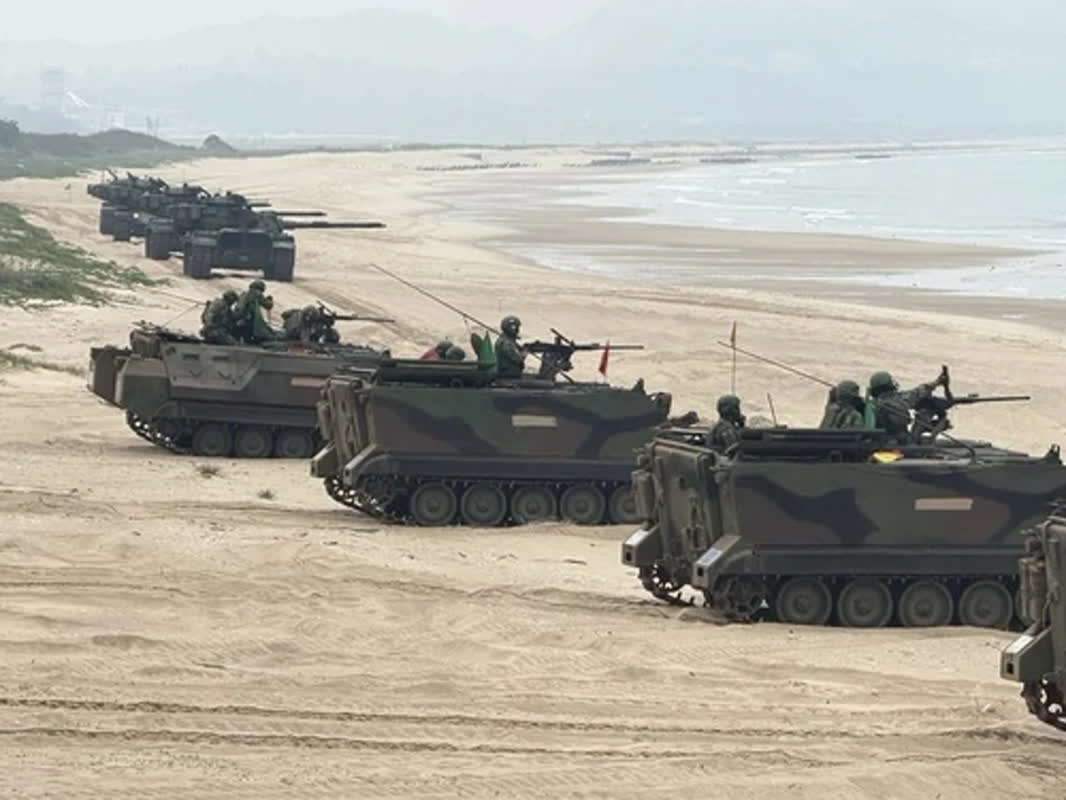
Defense experts responded coolly. GFP’s scoring emphasizes visible, quantitative conventional metrics—troop strength, tanks and ships—while sidelining factors that increasingly determine outcomes in modern conflict.
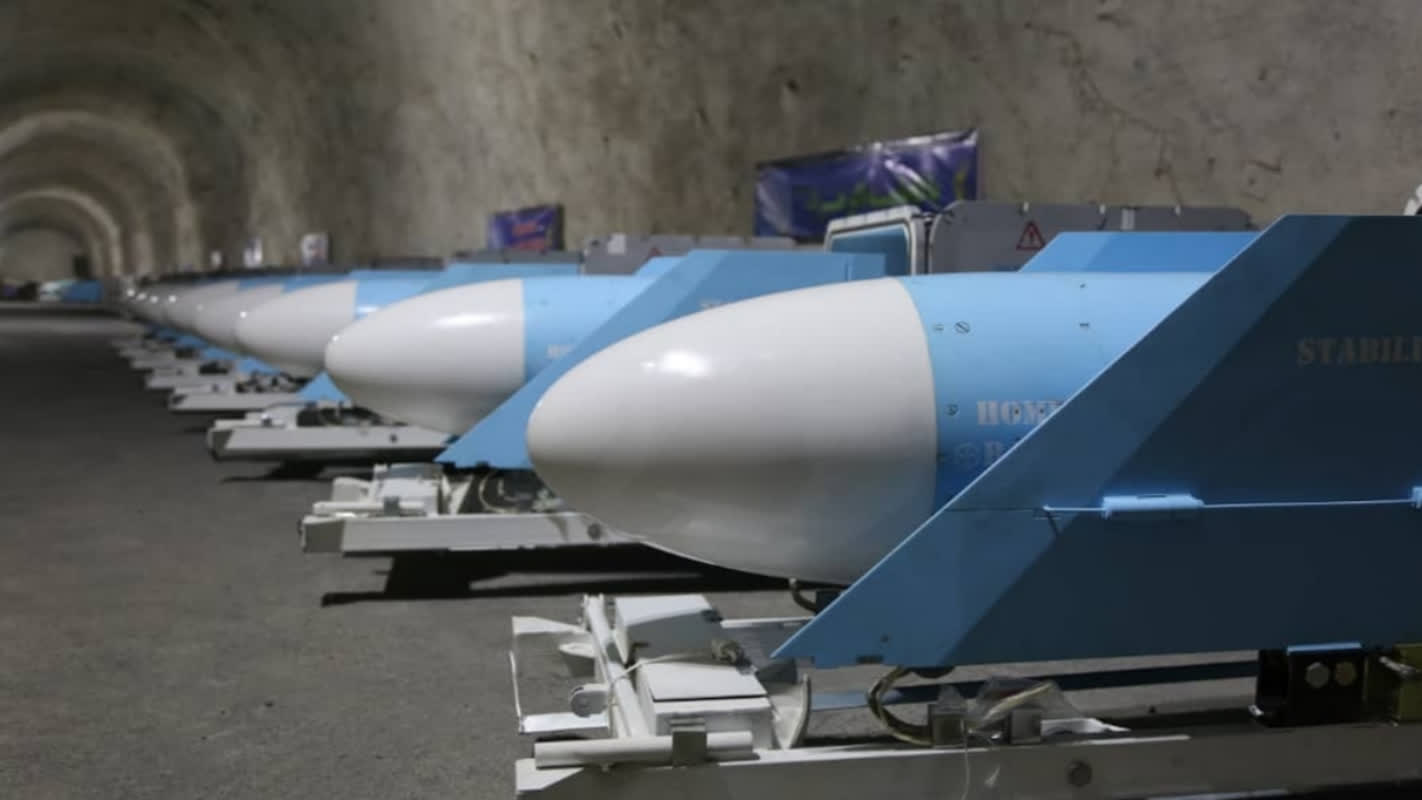
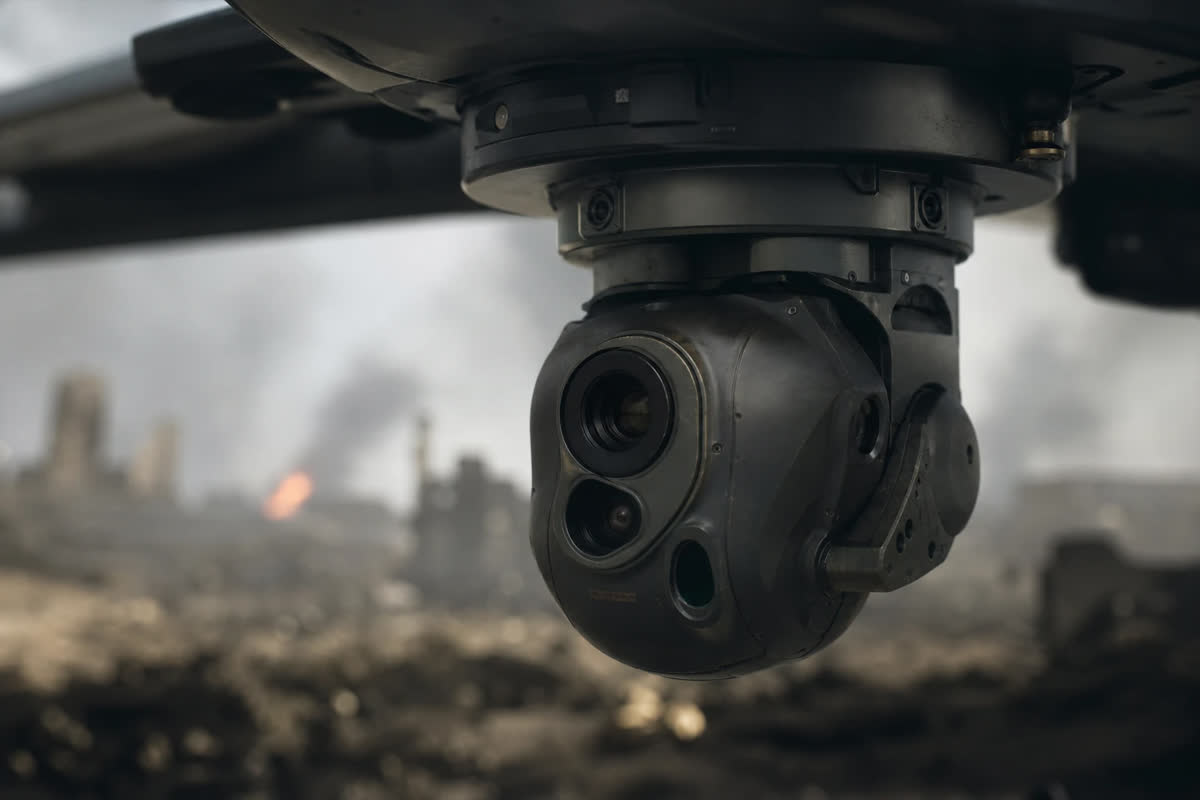
Key capabilities such as cyber operations, unmanned systems and operational combat experience are absent from the index. Its most dangerous blind spot is the omission of asymmetric strategic weapons—including the nuclear and ballistic missile forces North Korea has made a national priority.
GFP itself cautions that the rankings are intended for entertainment, and it does not publish a transparent methodology explaining how it weights different factors.
Russia’s high placement on the list, despite sustained difficulties on the battlefield in Ukraine, underscores the gulf that can exist between paper metrics and real combat effectiveness.
The fifth-place illusion can create a dangerous strategic void
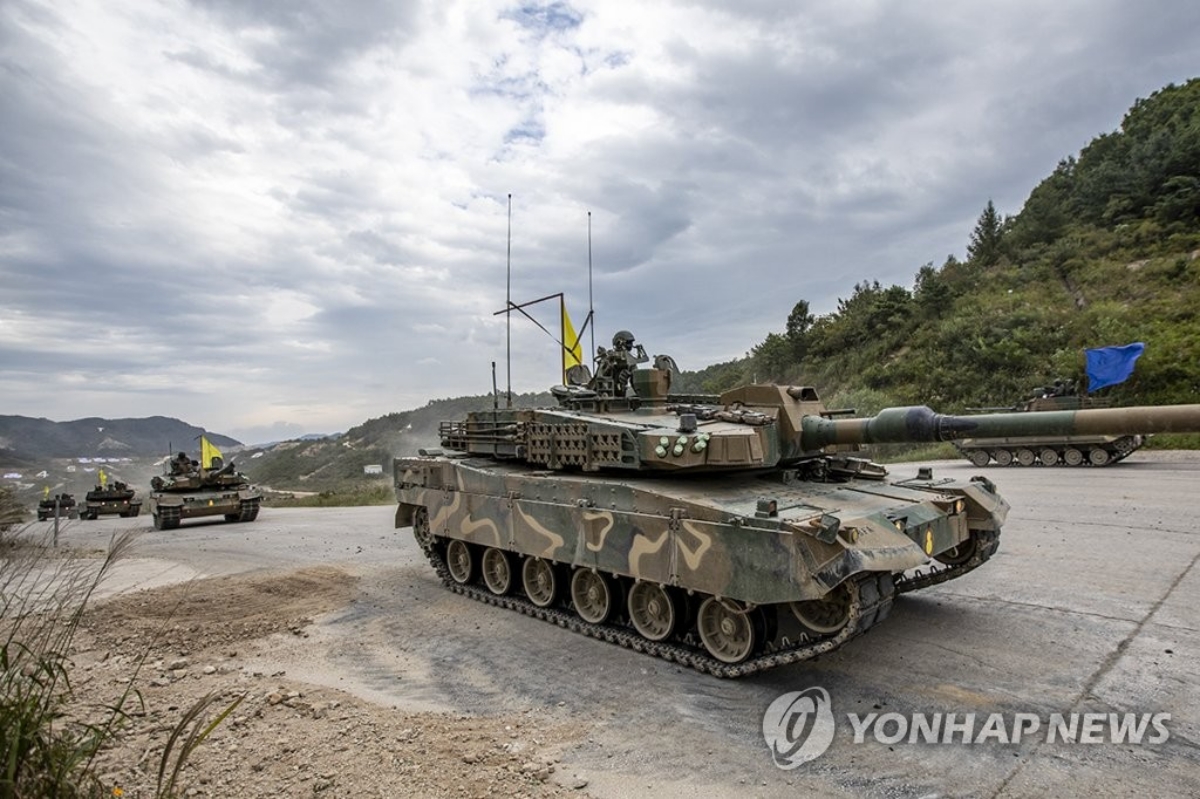
South Korea’s conventional forces are a genuine strength. Its defense budget far outpaces Pyongyang’s, and the Republic of Korea military operates modern, capable systems.
But a large share of Seoul’s defense spending is committed to personnel and sustainment costs, whereas North Korea concentrates scarce resources on asymmetric strike capabilities designed to maximize strategic effect.
In this operational environment, allowing a No. 5 ranking to downplay the need for U.S. strategic assets and the U.S.-ROK alliance could create a lethal capability gap in the face of North Korea’s nuclear threat.
Absent U.S. intelligence advantages and the extended nuclear deterrent, attempting to fully deter North Korea’s asymmetric provocations with conventional forces alone is, for practical purposes, untenable.
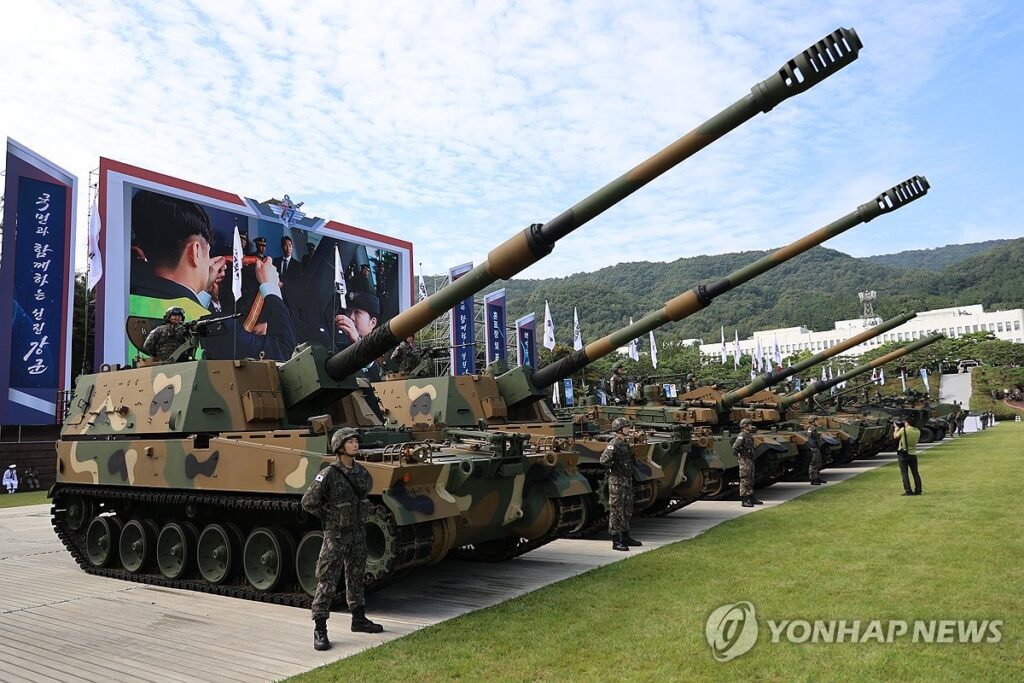
Transferring wartime operational control and advancing toward autonomous defense are legitimate objectives for a sovereign state, but they must be pursued on the basis of rigorous, clear-eyed threat assessments.
Rather than taking comfort from rankings that overemphasize paper metrics, Seoul should prioritize reinforcing the U.S.-ROK combined defense posture and strengthening practical nuclear-response and deterrence capabilities.












Most Commented