
Translation result
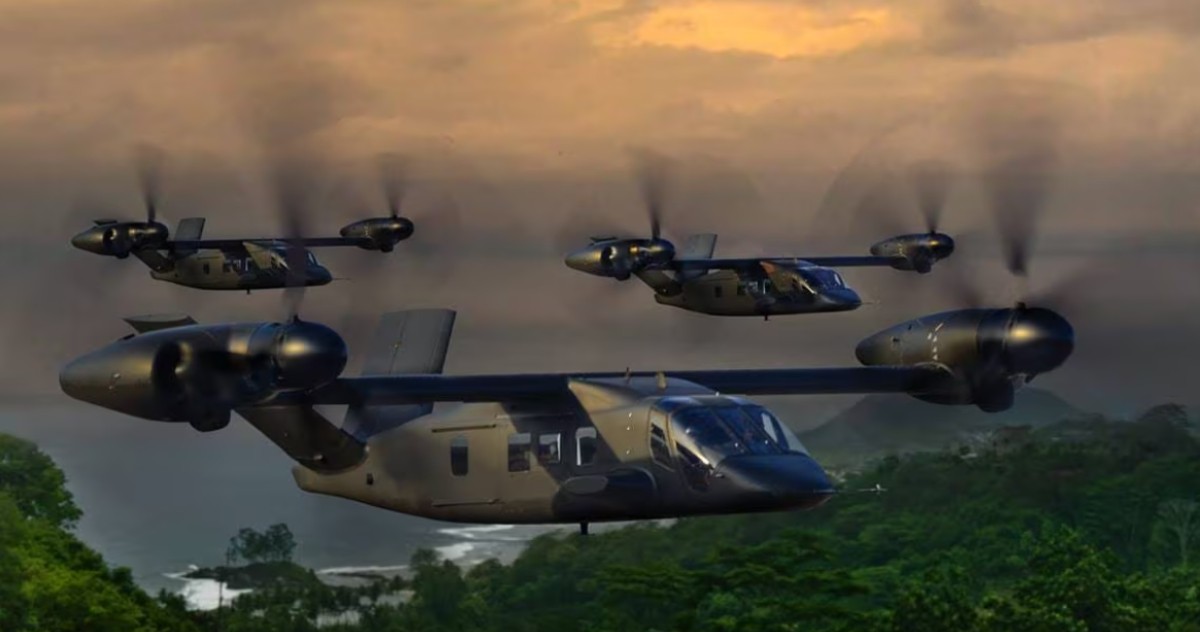
The U.S. Army has officially named its next-generation Future Long-Range Assault Aircraft (FLRAA) \”Cheyenne II\” as it targets initial operational capability by 2030, signaling what Pentagon leaders describe as a potential game changer for rotary-wing warfare.
Derived from Bell’s V-280 Valor, the MV-75 is a tiltrotor: it lifts off and lands like a helicopter and transitions to fixed-wing flight by rotating its nacelles and wing for high-speed cruise.
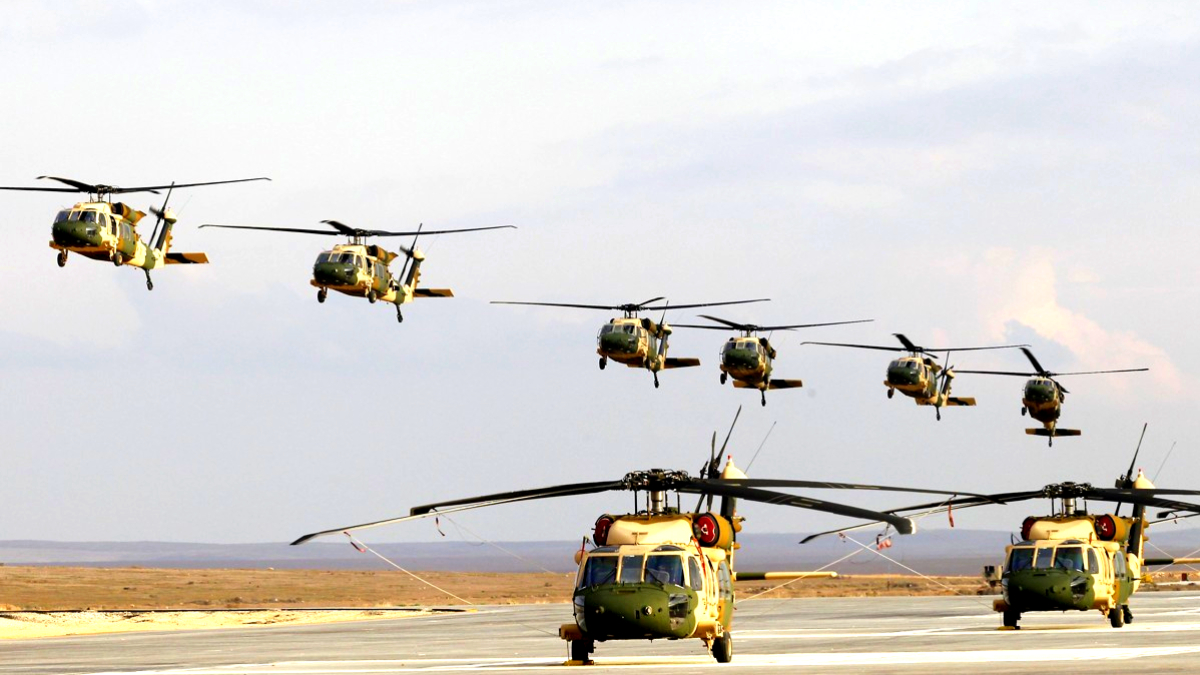
The service expects the platform to supplanted the UH-60 Black Hawk—the Army’s long-serving utility helicopter—and substantially expand the reach and tempo of U.S. air-assault operations.
A 280-knot speed revolution that outpaces the Black Hawk
The Cheyenne II’s primary combat advantage is its speed and the operational radius that speed enables.
The Black Hawk, long the Army’s primary rotorcraft, tops out at roughly 150 knots—an inherent limit that constrains how quickly forces can reach a battlespace.
By contrast, after a vertical takeoff the Cheyenne II transitions to airplane mode and can cruise at around 280 knots (about 323 mph / roughly 520 km/h). That speed lets it penetrate deep into hostile territory far faster than legacy helicopters.
Its effective range also increases by more than twofold compared with the Black Hawk, giving commanders the option to launch from greater standoff distances, deliver troops to objective areas more rapidly, and conduct safer exfiltration.
For adversaries, the result is stark: warning time to activate air defenses and reposition or evacuate forces is dramatically reduced—complicating defensive planning and reaction.
A stubborn revival of a cursed project name after 50 years
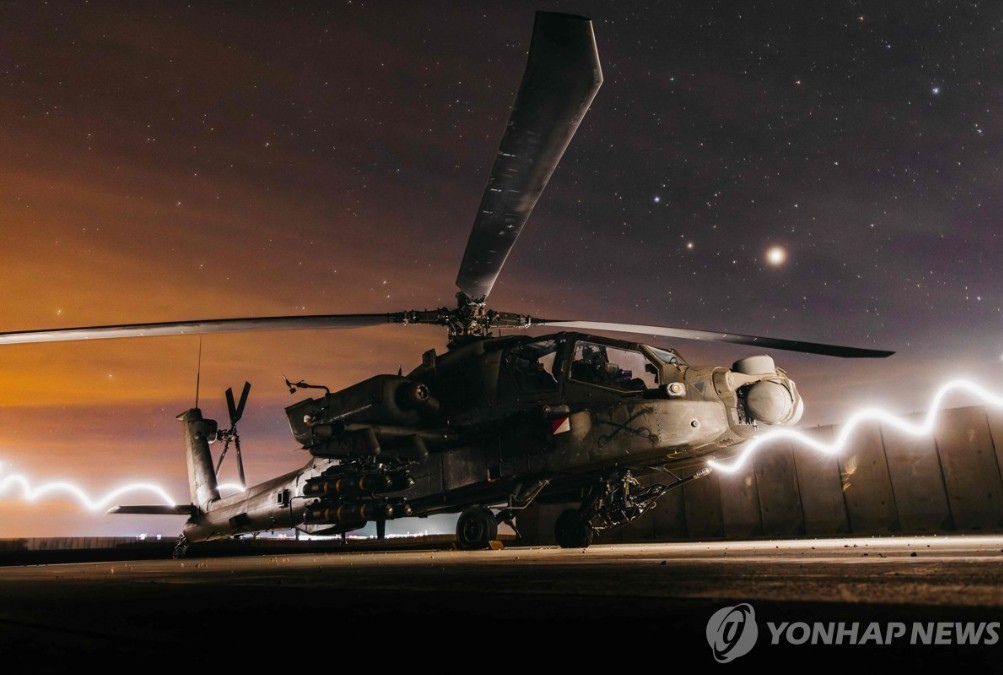
The Cheyenne name carries institutional baggage—and a message. In the late 1960s the Army pursued the AH-56 Cheyenne, an ambitious high-speed attack helicopter that ultimately fell victim to technical complexity and critical flaws. The program was canceled after substantial cost and schedule setbacks, leaving a bitter legacy.
Half a century later, resurrecting that name for the MV-75 as \”Cheyenne II\” is a deliberate signal: the Pentagon believes it has finally solved the engineering challenges that doomed its predecessor and achieved the high-speed maneuvering the Army once sought.
After years of iterative design and testing intended to push past legacy limits, Army leaders contend the service is gaining more than a replacement helicopter. They say Cheyenne II is a next-generation tool designed to shape the battlefield across wider depths and at higher tempo than previous rotorcraft allowed.












Most Commented