
North Korea’s Solid-Fuel ICBM: 2-Hour vs 15-Minute Launch Prep Time Impacting U.S. Defense
Daniel Kim Views
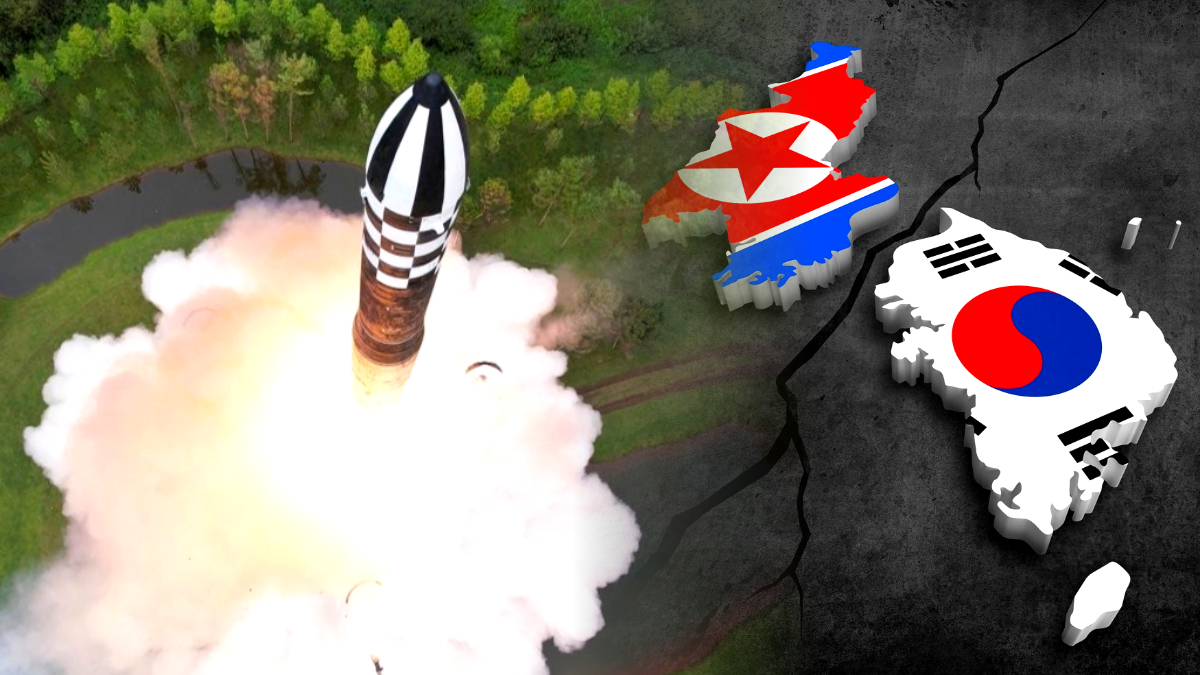
“By the time signs of a launch are noticed, the intercept window may already have closed.”
North Korea has sped up development of solid‑fuel ICBMs capable of striking the U.S. mainland and appears to be expanding new long‑range missile bases. The pace has put South Korean and U.S. military officials on alert.
The U.S. Defense Intelligence Agency (DIA) has singled out surprise launches as the central threat in North Korea’s missile arsenal. That assessment makes the long-standing concern—South Korea’s prelaunch strike system, the “kill chain,” being rendered ineffective—an urgent problem.
DIA warning on surprise launches and the threat from North Korea’s underground bases
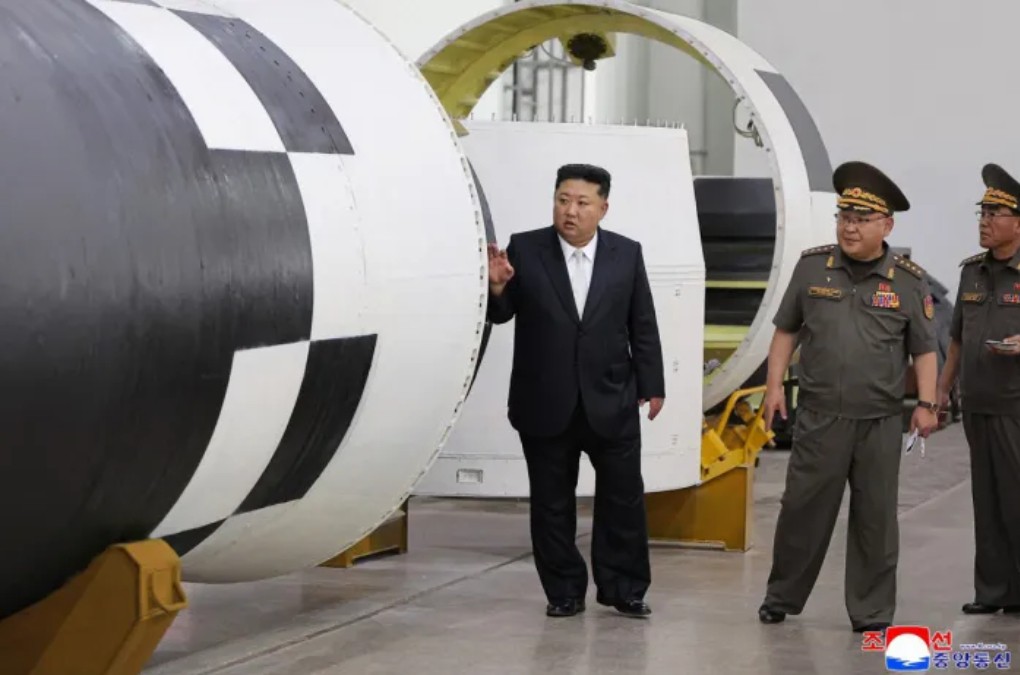
In documents recently submitted to Congress, the DIA assessed that Pyongyang is continuing work on a new solid‑fuel ICBM designed to maximize survivability and enable surprise launches.
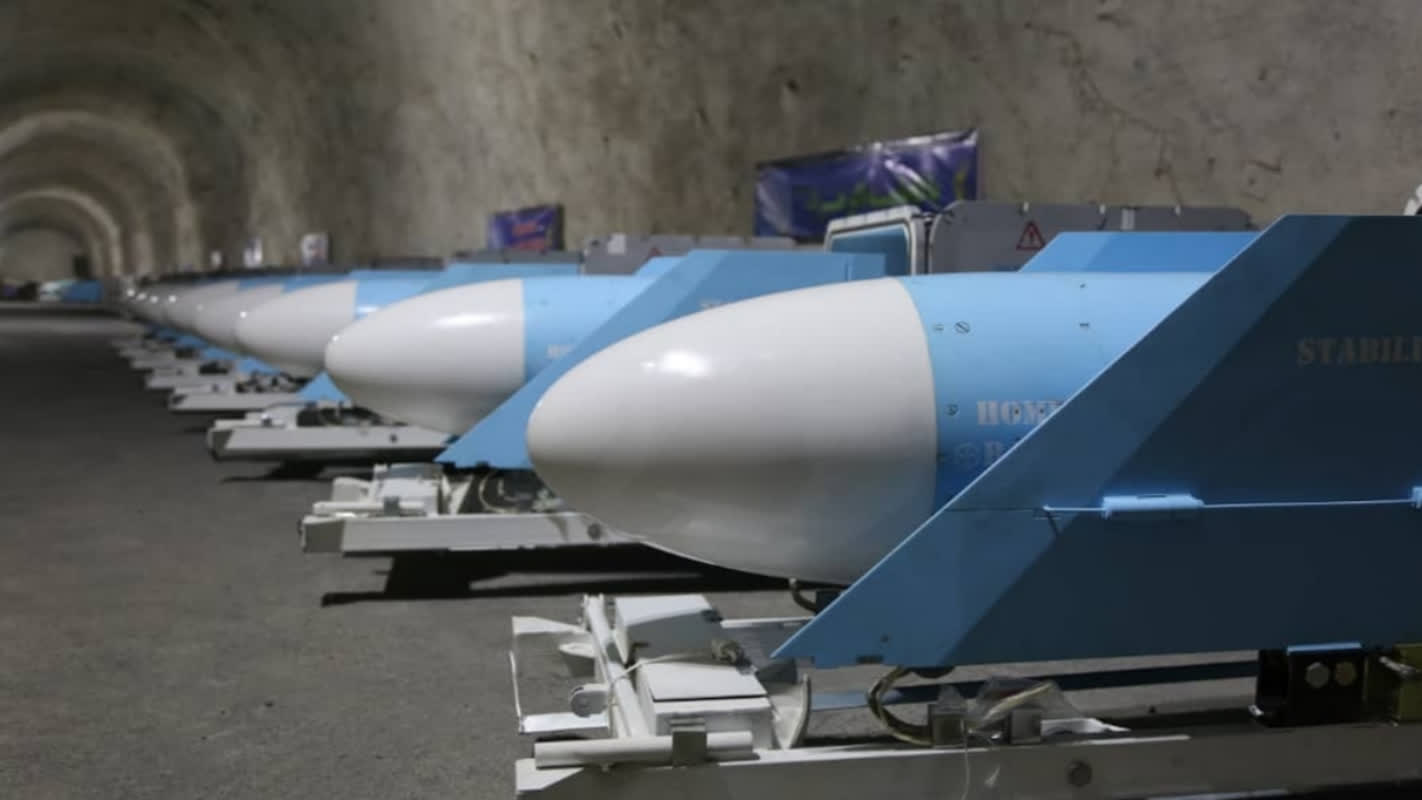
Analysts also say evidence points to construction of underground missile complexes that could conceal long‑range systems until firing.
U.S. officials have been particularly alarmed because solid‑fuel technology dramatically shortens the time from detection to launch.
That reduction raises the prospect that North Korea could launch near‑simultaneous surprise strikes against the U.S. homeland, U.S. facilities in Guam, and the Korean Peninsula — potentially before U.S. extended‑deterrence assets can respond.
Two hours vs. 15 minutes — solid fuel tears the kill chain’s golden window
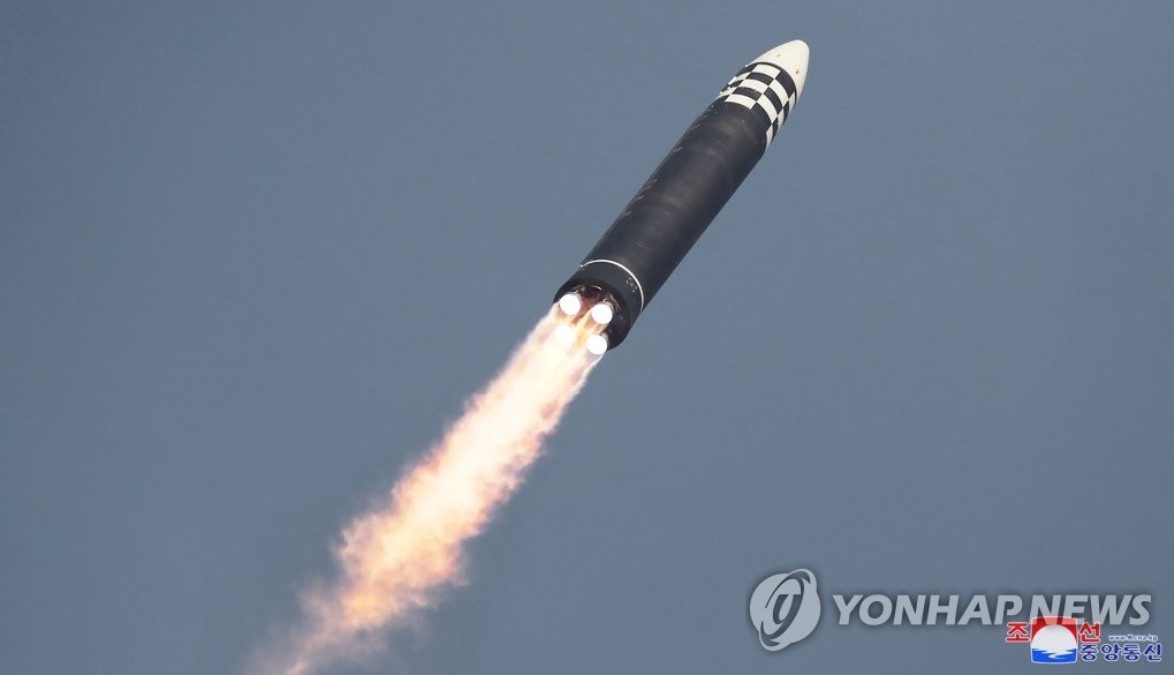
Improvements in solid‑fuel technology are forcing a fundamental recalculation of defense on the peninsula. Older liquid‑fuel ICBMs, such as the Hwasong‑17 — once a mainstay of North Korea’s arsenal — required at least one to two hours of fueling before launch.
That lengthy fueling period left large tanker trucks and support vehicles moving near the transporter‑erector launcher (TEL), creating visible indicators for U.S. and South Korean reconnaissance satellites.
By contrast, newer solid‑fuel ICBMs like the Hwasong‑18 store propellant internally, much like a large battery.
A TEL emerging from a tunnel or underground complex can erect the missile and fire in roughly 10–15 minutes. By the time an orbiting sensor detects activity and passes a report to command, the missile could already be climbing out of the atmosphere.
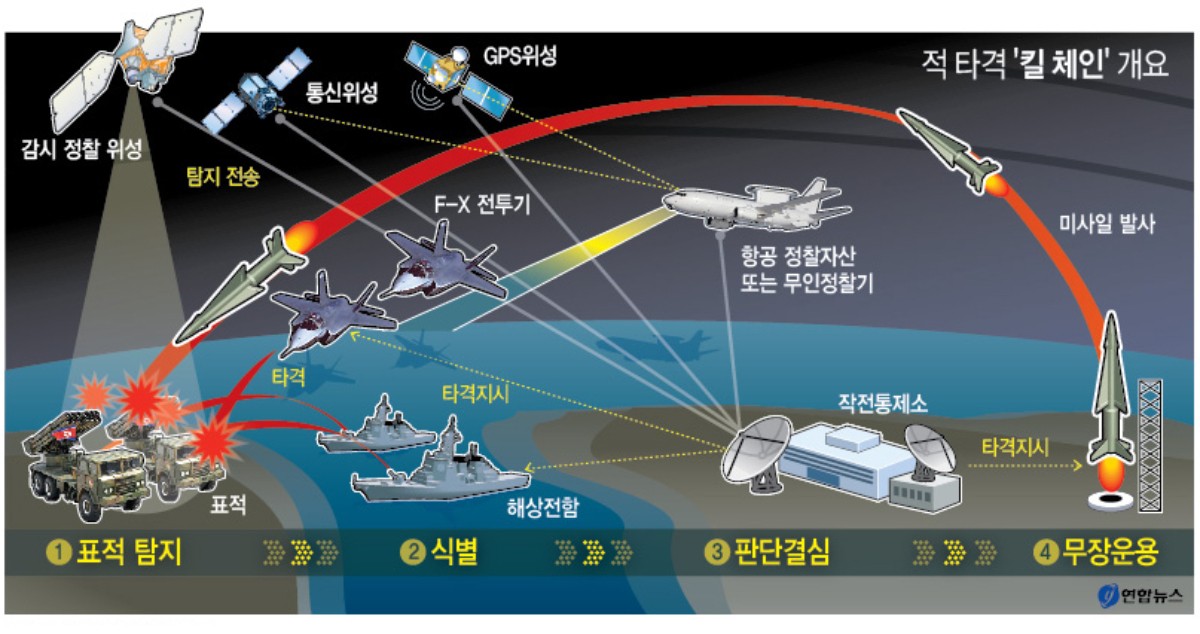
Analysts warn that such an extreme cut in launch preparation time could critically undermine the kill chain — the leading pillar of South Korea’s “three‑axis” defense posture. The kill chain concept is built on detecting launch indicators and striking the launch point within 30 minutes.
If North Korea can fire a solid‑fuel missile in 15 minutes and then disappear underground, South Korea may not have the time to scramble fighters and employ precision munitions within that 30‑minute window.
If Pyongyang begins launching mixed salvos of solid‑fuel ICBMs from multiple long‑range bases, U.S. and South Korean intelligence, surveillance and reconnaissance networks could be overwhelmed.
As North Korea’s tempo of surprise launches begins to outpace U.S.–ROK detection capabilities, experts say a fundamental rethinking of preemptive‑strike strategies that rely on detecting launch indicators appears unavoidable.











Most Commented