
Translation result
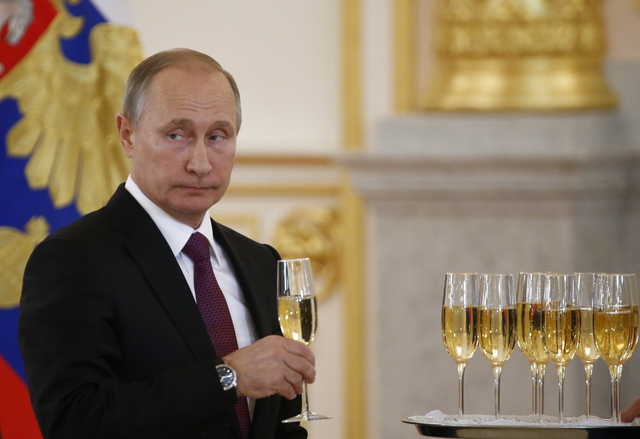
A European security expert warned that Russia’s next target could be Germany rather than NATO’s eastern-flank countries.
On April 3, German outlets reported that Erki Koort, director of the Estonian National Security Institute, told the Polish weekly Wprost in an interview, “What would Russia gain by attacking NATO’s periphery?” He added, “What matters to Putin is neutralizing NATO’s rear. That place is Germany.”
Koort said Germany functions as the fallback hub for NATO frontline states that border Russia. “Unless Russia attacks that hub first, an operation against Estonia or the Suwalki Corridor has almost no chance of succeeding,” he said.
Analysts have typically listed geographically close Baltic Sea states—Estonia, Latvia and Lithuania—and Finland as the likeliest targets if Vladimir Putin were to invade another European country after the war in Ukraine ends.
They single out the roughly 65 km (about 40 miles) Suwalki Corridor between Poland and Lithuania as NATO’s Achilles’ heel. If Russia seized that corridor, it could link the Russian exclave of Kaliningrad to allied Belarus by land and isolate the three Baltic states from NATO members such as Poland.
Last year, Poland accused Russia and Belarus of using the joint Zapad (West) exercises as preparation to seize the Suwalki Corridor.
Koort offered a different assessment: “The Kremlin regards Germany as Russia’s principal adversary. From Russia’s perspective, an attack on Germany could even be framed as more justifiable than strikes on Narva or the Suwalki Corridor.”
Moscow, which helped defeat Nazi Germany in World War II, has used the stated goal of “de‑Nazifying” Ukraine as one of the Kremlin’s justifications for the invasion. Russian officials, including Dmitry Medvedev, deputy chair of the Security Council, have repeatedly invoked Germany’s Nazi past in a campaign of psychological pressure as Berlin backs Kyiv.
Koort said Germans are pessimistic about their country’s defensive capabilities. “Paralyzing Europe’s most important country would be relatively easy, and Russia would gain significant propaganda value,” he said. He also criticized Germany’s rearmament since the war in Ukraine began, adding, “Money does not fight on the front lines,” and arguing that Berlin still lacks the political will to meet the Russian threat.









Most Commented