
How Drones Are Transforming South Korea’s Reserve Forces: A New Era of Military Innovation
Daniel Kim Views
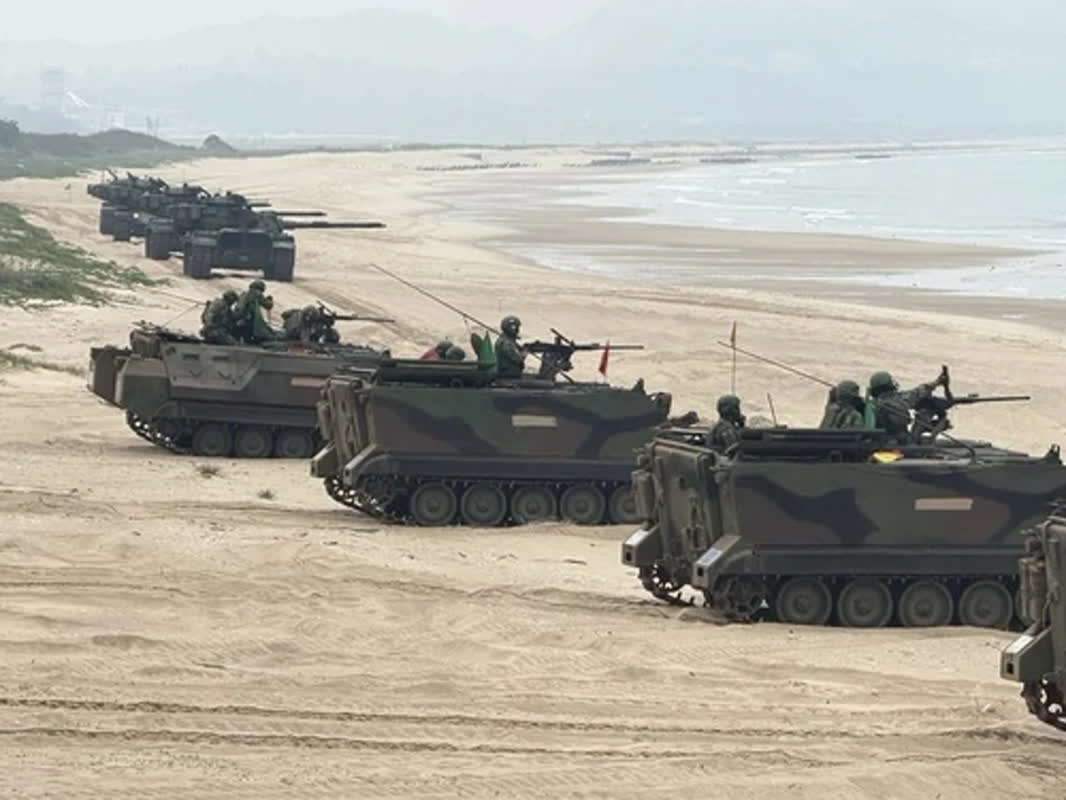
Reservists carrying rifles and drone controllers are the model Seoul is building for its future reserve force. The Defense Ministry is integrating advanced drone systems into reserve operations to create a reserve component with strike capabilities approaching those of active-duty units.
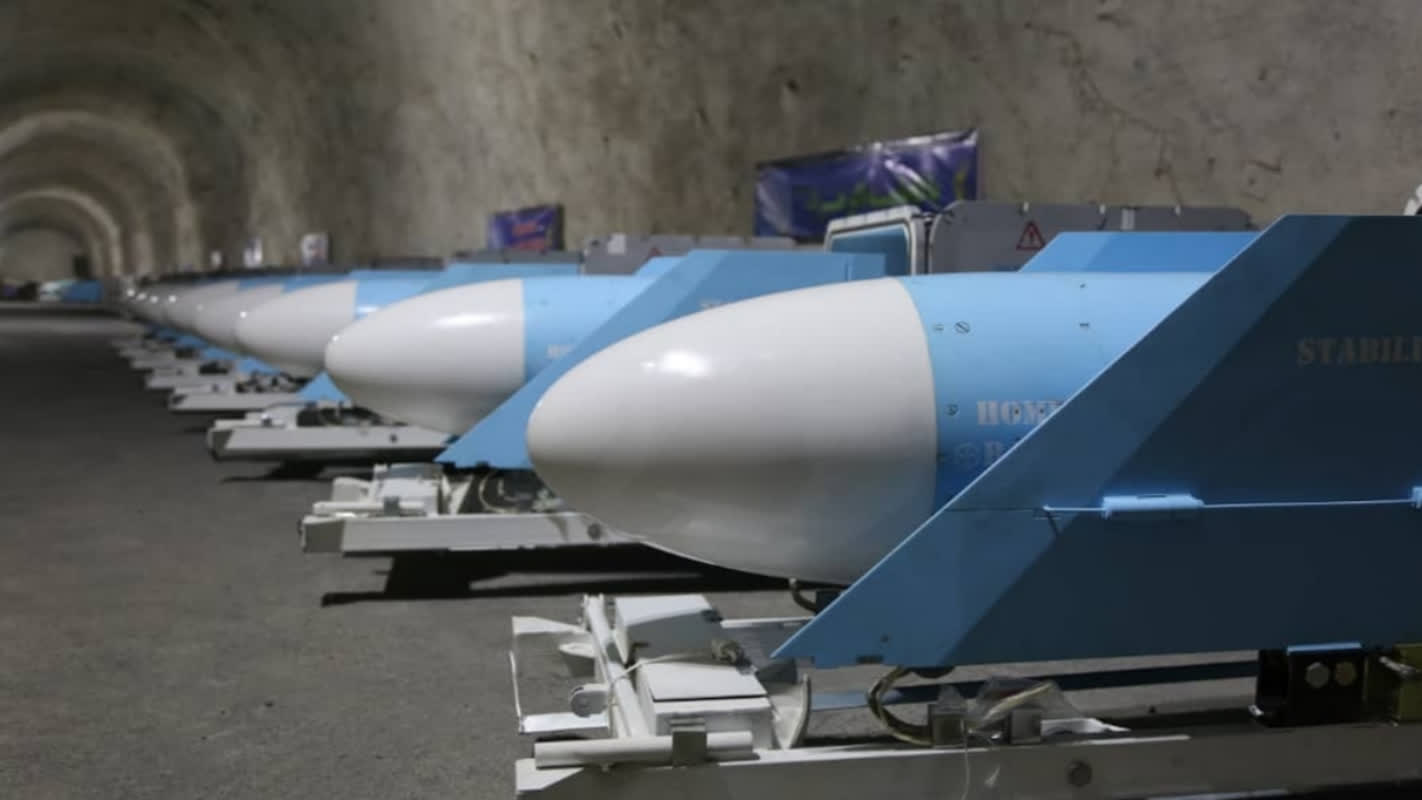
North Korea has escalated the threat on the peninsula. It showcased a 2,000-kilometer cruise-missile capability when it fired four vertical-launch cells simultaneously from its new roughly 5,000-ton destroyer Choe Hyon Ho.
To meet that challenge, the military is turning to technology to blunt the structural crisis posed by a falling population. A new combat model — one that multiplies combat power through advanced systems rather than manpower — is taking shape.
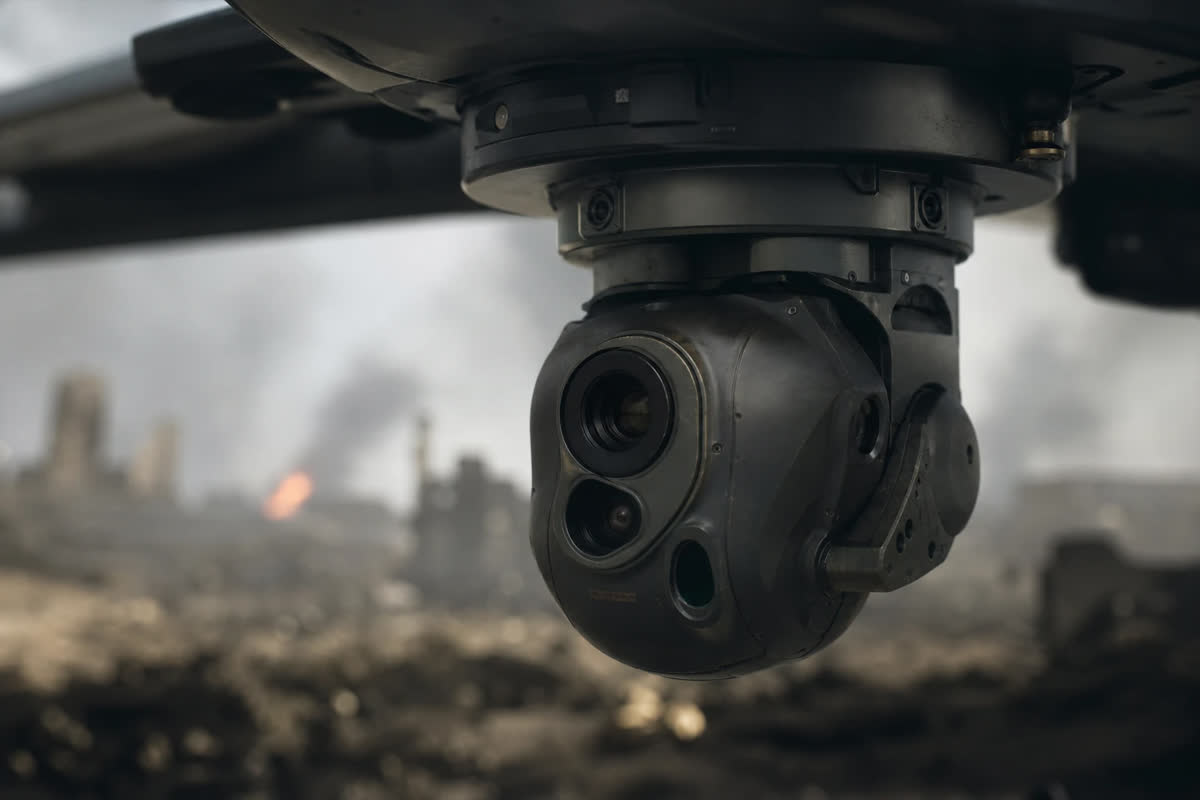
A defense official said, “After examining real-world conflicts such as the Russia‑Ukraine war, we found that commercial drones costing several million KRW (approximately 1,500–6,750 USD) have been capable of defeating armored vehicles worth hundreds of millions KRW (approximately 75,000–675,000 USD) and of directing precision artillery. That pattern is becoming a new norm in modern warfare. The marriage of drones and skilled reservists can determine outcomes on the battlefield.”
One Drone Can Take Down a Tank
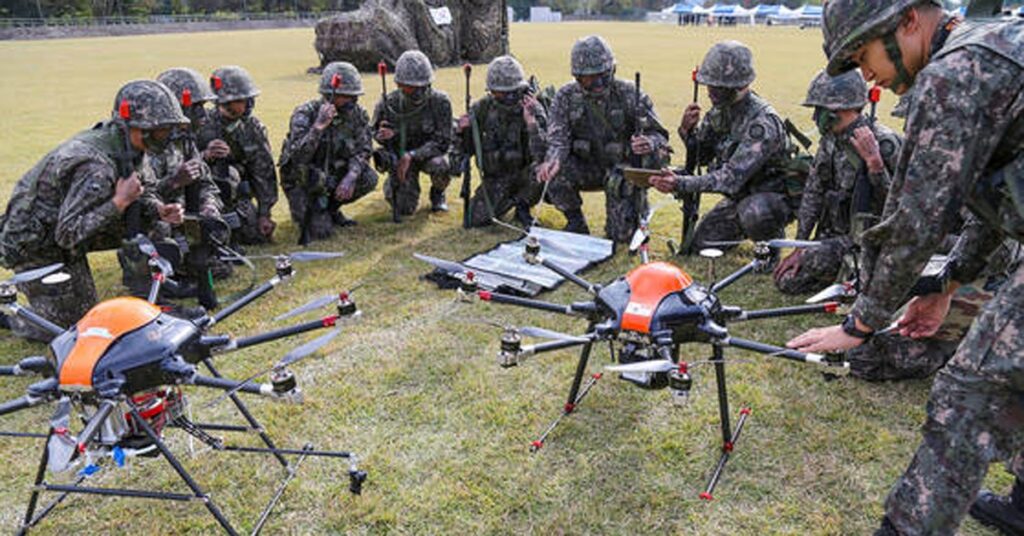
In conflicts around the globe, drones have moved from auxiliary tools to central combat assets. The military now treats them as a foundational weapons system both active-duty and reserve forces must master.
By embedding drone-operating skills into reserve units, the armed forces aim to establish a low-cost, high-efficiency combat posture that can detect and interdict enemy incursions early while reducing friendly casualties.
The strategy emphasizes fewer platforms but greater capability. Drones equipped with advanced sensors and AI can perform wide-area reconnaissance and surveillance with far fewer personnel.
Declining manpower is an unavoidable reality, but the military is framing it as an opportunity. Reservists armed with drones, AI and other advanced technologies are expected to plug gaps left by reduced active-duty numbers.
Reservists Carry Controllers Alongside Rifles
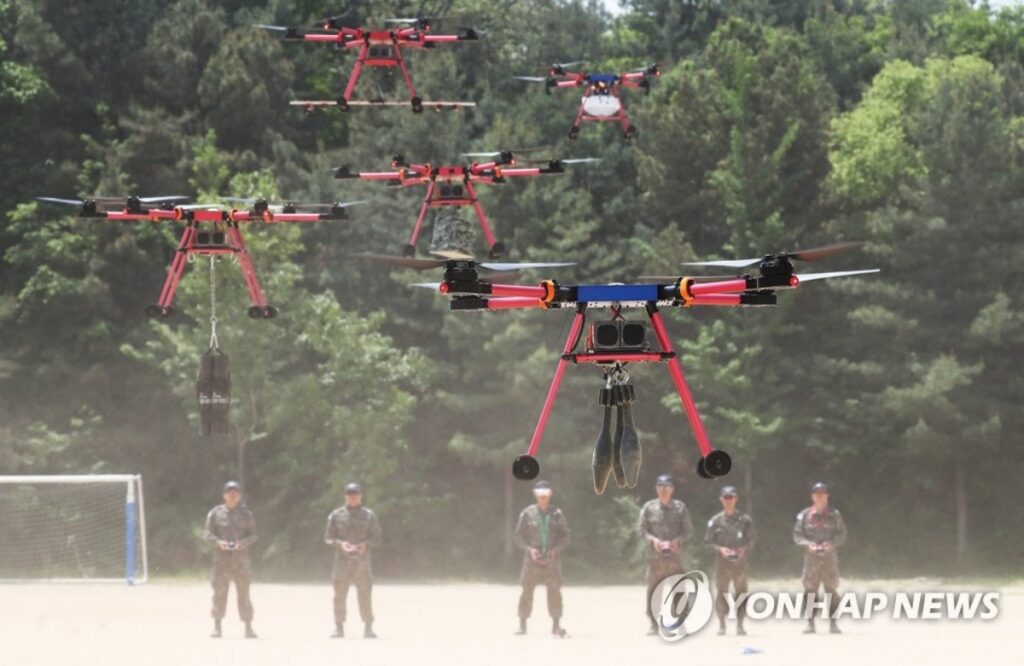
The military plans to expand drone-piloting and data-analysis training across reserve programs and set up institutional measures to integrate and manage civilian specialists efficiently.
The goal is more than routine drills: officials want “smart reservists” who can be used immediately in combat conditions.
Given the peninsula’s mountainous terrain, employing drones for high-ground seizure and ambush operations could sharply increase reservists’ defensive effectiveness.
The Defense Ministry and military scholars are developing “drone–reservist joint tactics” optimized for the peninsula. The aim is to shift the reserves from a headcount-focused force to a lethal, technology-enabled component equipped with active-duty-level gear and skills.
Officials say the effort could be a turning point, transforming the demographic cliff into a driver for defense innovation. All eyes will be on whether reservists armed with cutting-edge technology can become South Korea’s new security shield.









Most Commented