
Translation result
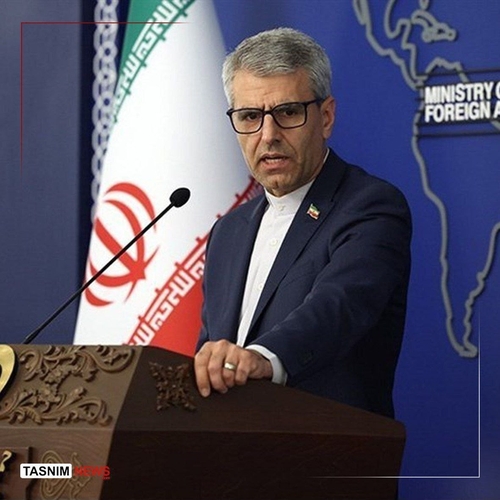
Esmaeil Baghaei, Iran Foreign Ministry spokesperson[TASS Telegram screenshot = provided by Yonhap][TASS Telegram screenshot = provided by Yonhap]
On March 30 (local time), Iran said it did not take part in the ceasefire talks held in Pakistan and has not engaged in any form of direct negotiations with the United States.
At a briefing, Iran Foreign Ministry spokesperson Esmaeil Baghaei said the Pakistan-hosted regional ceasefire meeting was organized within a framework set by Pakistan and that Iran did not participate.
“Above all, we want to make clear that we have never held direct talks with the United States,” Baghaei said. He added that while it is desirable for regional states to pursue an end to the war, they must first have a clear understanding of who started it.
He said current reports reflect only the United States’ willingness to negotiate, conveyed through intermediaries.
Baghaei also questioned the credibility of U.S. diplomacy. “Even within the United States, I doubt how seriously they take their own diplomacy,” he said. “Unlike the other side, which frequently shifts positions, Iran’s stance has remained consistent.”
On Iran’s negotiating posture, he said Tehran’s position has been firm from the outset and accused the United States of presenting excessive and unreasonable demands, arguing that the U.S. is the primary obstacle to talks.
Earlier in Islamabad, foreign ministers from Pakistan, Saudi Arabia, Türkiye and Egypt spent the previous day focused on ways to end the Middle East war.
Pakistan’s Deputy Prime Minister and Foreign Minister Ishaq Dar said Pakistan welcomed expressions of confidence from both Iran and the United States in Pakistan’s ability to facilitate talks. “Within days, we will host and help organize meaningful negotiations between the two sides,” he said.
Baghaei also criticized the International Atomic Energy Agency (IAEA) and its director-general Rafael Grossi in connection with what he described as U.S. and Israeli actions against Iran’s nuclear facilities.
He called the measures taken by the U.S. and Israeli regimes against the nuclear sites “clear criminal acts” and said that, under the IAEA charter, such acts should be subject to criminal prosecution. He criticized what he described as the IAEA and its director-general’s regrettable indifference.
He said the IAEA’s top priority now should be to formally condemn acts of aggression.
#Iran #CeasefireNegotiations #Pakistan #IranWar #MiddleEastWar
Yonhap News TV inquiries and tips: KakaoTalk/Line jebo23
Jang Hyo-in (hijang@yna.co.kr)















Most Commented