
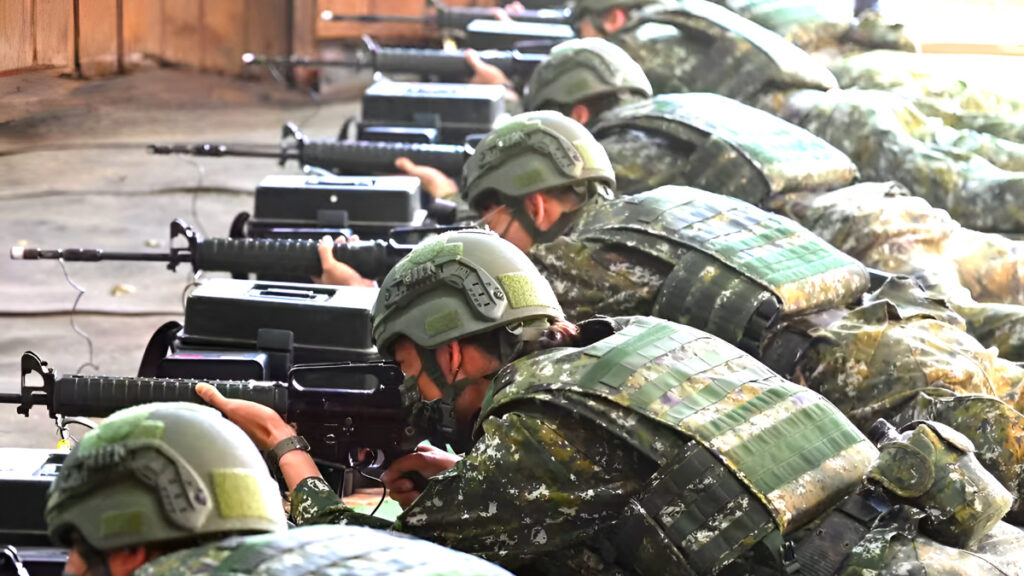
Ukraine, long a recipient of Western weapons and tactics, is now exporting frontline combat know-how back to Western militaries.
That reversal underscores how doctrines for surviving brutal, modern combat can matter far more than the quantity of cutting‑edge platforms a country fields.
Foreign and defense outlets report that Ukraine recently dispatched military advisers to Germany to teach drone employment, counter‑drone tactics and integrated electronic warfare (EW) doctrine.
Countless Ukrainian troops previously trained in NATO countries such as Germany; now, the dynamic has flipped.
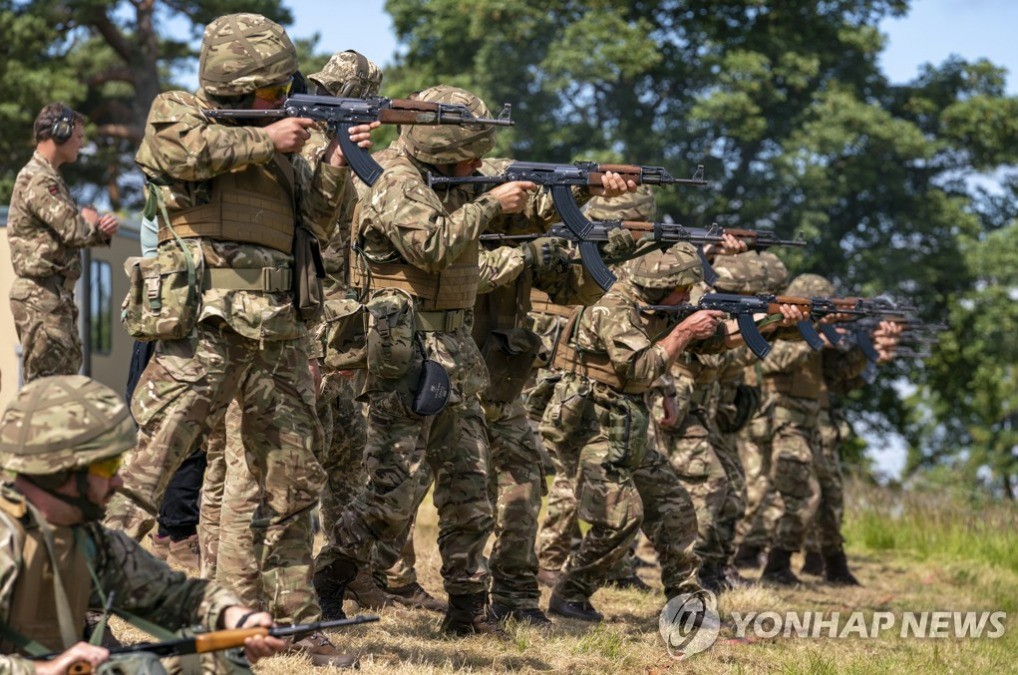
Germany became the first NATO member to formally invite Ukrainian instructors into its army training system and assign them to regular courses, signaling a determined push to absorb lessons proven in combat.
“Practical Combat Doctrine Over Advanced Weapons” — Experience Is Now the Most Valuable Asset
The role reversal highlights a fundamental shift in the modern warfare paradigm.
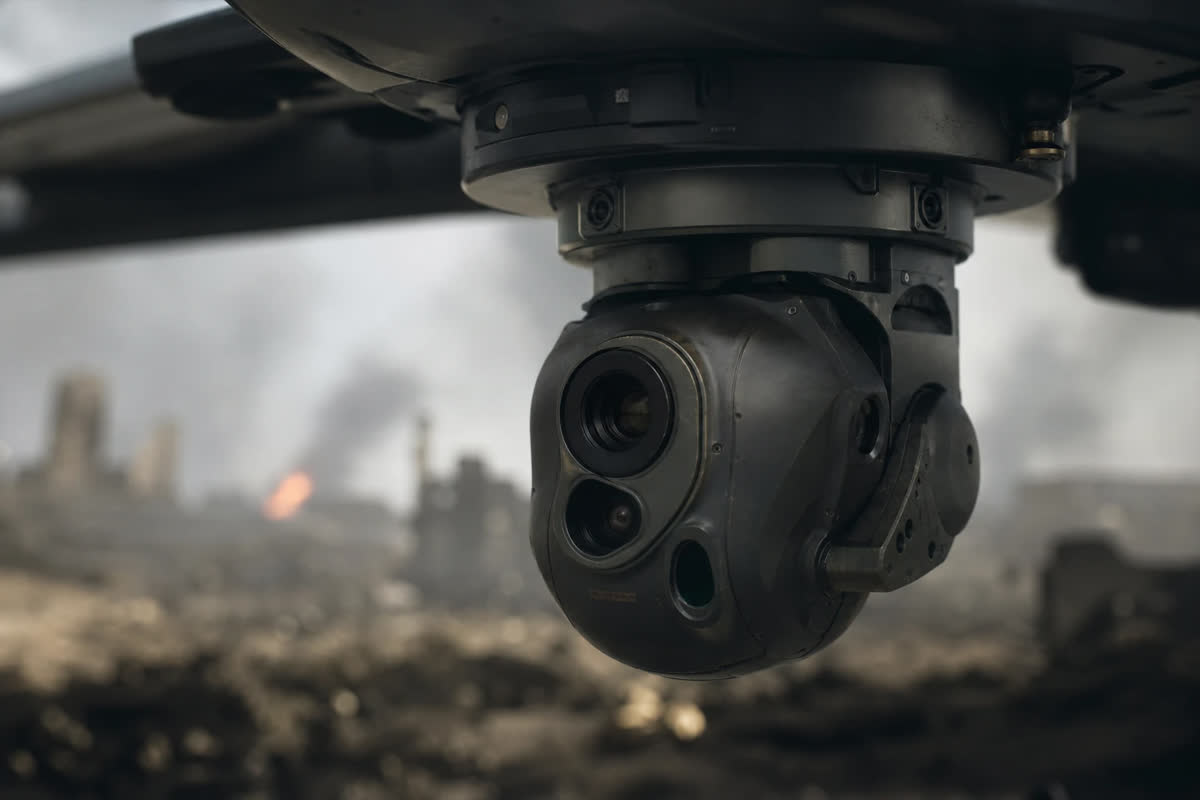
On Ukrainian battlefields, tanks worth tens of billions of KRW (tens of millions of USD) have been knocked out by commercial drones costing hundreds of thousands of KRW (tens to hundreds of USD), and unseen electronic jamming has at times proven more disruptive than conventional artillery.
Defense analysts warn that no matter how sophisticated a system’s specifications, it is of limited use without a combat‑tested doctrine for integrating and countering drones and electronic warfare on unfamiliar, chaotic battlefields.
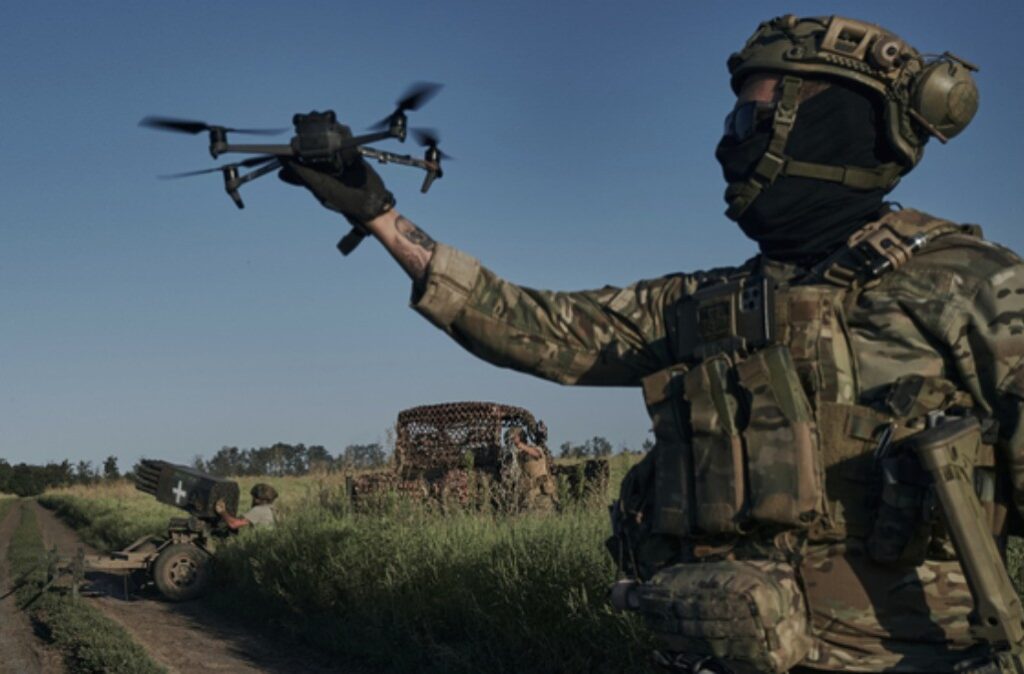
Put bluntly, Ukraine’s battle‑tested doctrine—hard won at great cost—has emerged as one of the most valuable strategic assets on the global defense market.
“Reserve Training Must Be Overhauled Too” — South Korea’s Security Isn’t a Distant Story
The fact that NATO’s regular forces are studying Ukrainian drone tactics should sound a loud warning for the Republic of Korea military, which still relies in many areas on legacy training doctrine.
Many analysts now argue that South Korea’s reserve training system—for several million reservists—needs a full overhaul focused on realistic drone and electronic‑warfare scenarios, not only preparation for conventional conflict.
The old model—lining up on fixed ranges, firing rifles and repeating drill—won’t guarantee survival on a battlefield where hundreds of loitering munitions can fill the sky.
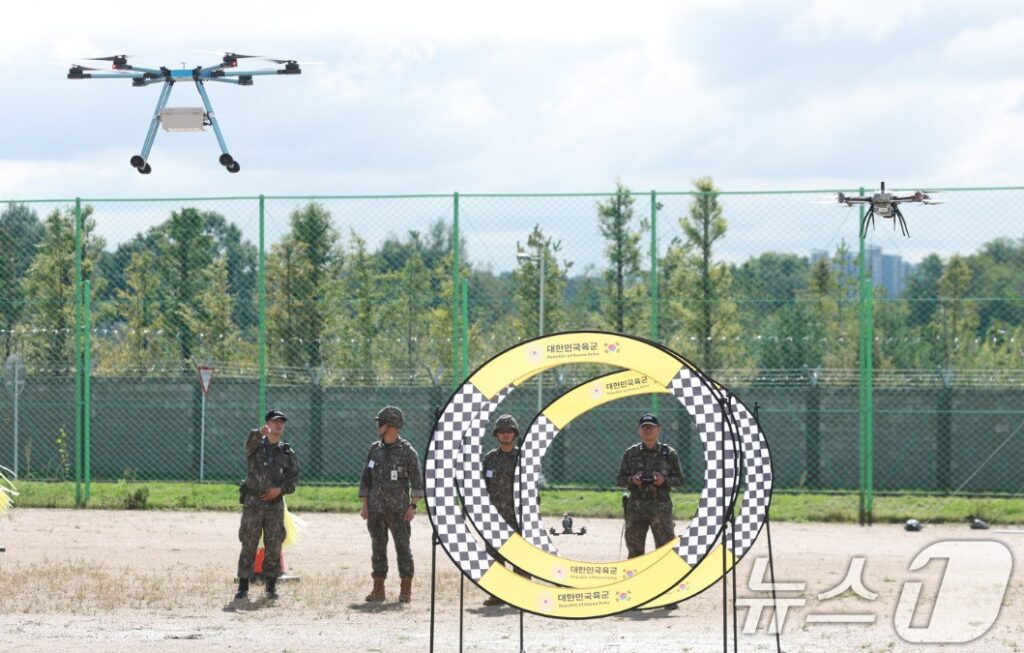
Analysts and defense market experts say it’s increasingly likely reserve training grounds in South Korea will add small commercial drone operation and electronic countermeasure drills as mandatory subjects—replacing portions of training that remain focused on older‑era rifles and formations.
As the character of war evolves at a rapid pace, calls for a comprehensive overhaul of South Korea’s training and doctrine are growing louder.











Most Commented