
Translation result
Iran has flatly rejected President Donald Trump’s ceasefire proposal and has instead demanded reparations for the conflict.
On March 25, Foreign Minister Abbas Araghchi told state television, “Talking about negotiations is an admission of defeat,” adding that “they originally demanded unconditional surrender, but now they’re talking about negotiations.”
Araghchi said, “We did not start this war,” and insisted the conflict must end in a way that “teaches the enemy a lesson so they never try to attack Iran again.”
He argued Tehran should receive compensation to deter any future aggression.
U.S. 15-point peace plan centers on dismantling Iran’s nuclear capability
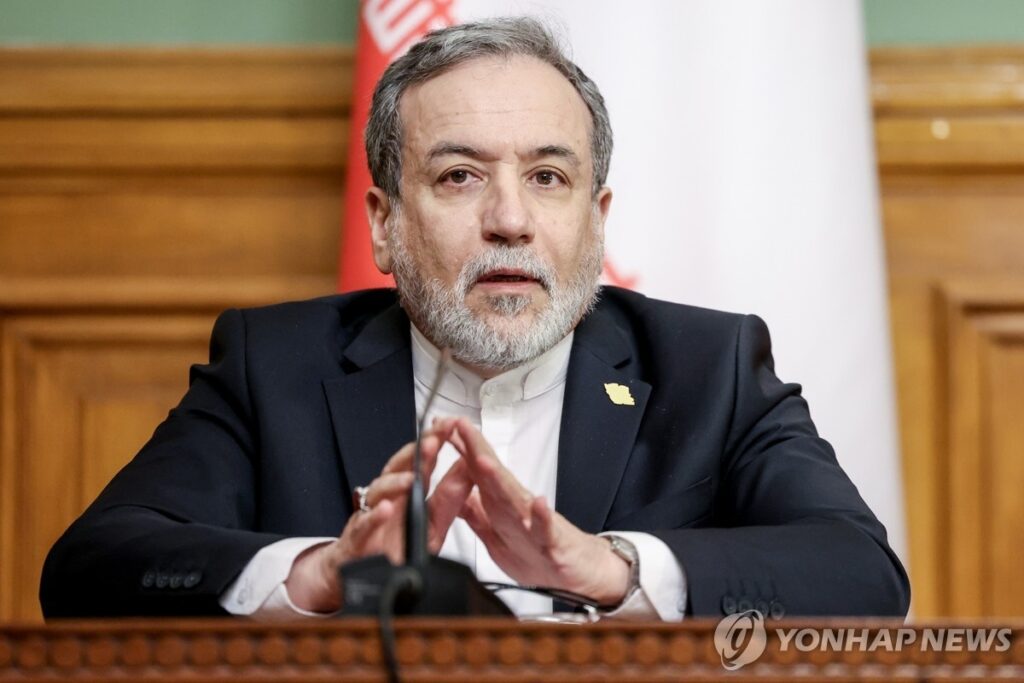
The U.S. plan, reportedly delivered to Tehran through Pakistan, contains 15 items.
Key elements call for dismantling Iran’s nuclear infrastructure, a pledge to forswear nuclear weapons, an end to support for proxy forces, a ban on uranium enrichment, and guaranteed freedom of navigation through the Strait of Hormuz. Taken together, the measures would amount to a substantial curtailment of Iran’s strategic capabilities.
Araghchi told South Korea’s foreign minister that the Strait of Hormuz “is closed to vessels belonging to the invaders and their backers and supporters.”
He also criticized the presence of U.S. bases in the region, saying, “If U.S. bases did not exist in Middle Eastern countries, there would be no threat,” and arguing that the bases “harm rather than provide security.”
Iran vows continued resistance while reviewing U.S. plan through intermediaries
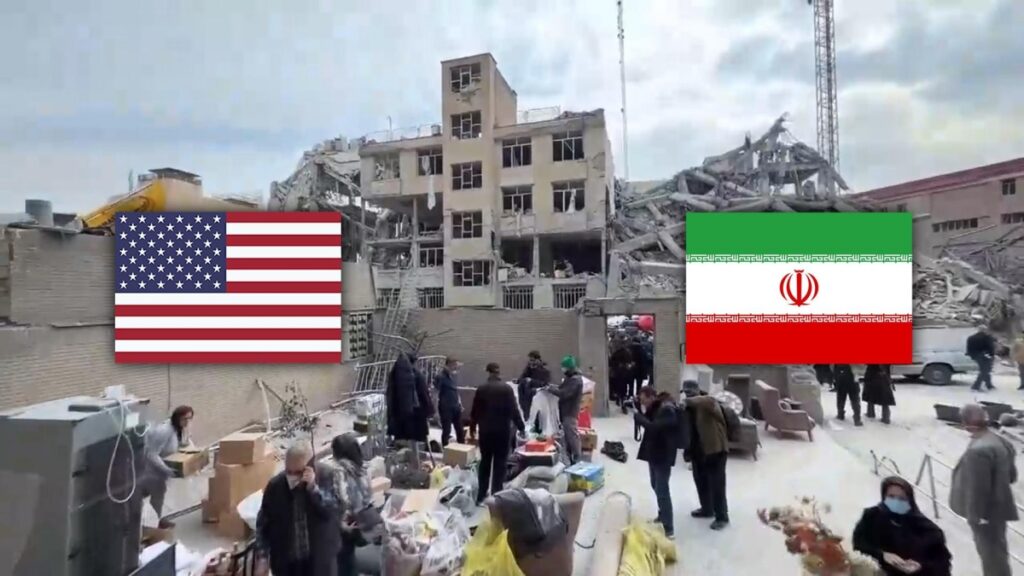
Officially, Tehran is maintaining a hardline posture. Araghchi declared, “Our policy is continued resistance,” and said there are no planned negotiations and no intention to engage in direct talks with the United States.
Parliament Speaker Mohammad Bagher Ghalibaf warned that Iran’s adversaries, with backing from a neighboring state, are preparing to occupy Iranian islands and vowed ruthless retaliation.
But lawmakers’ rhetoric contrasts with private acknowledgements. In the same interview, Araghchi conceded, “We are reviewing the U.S. peace proposal through intermediaries.” He stressed this does not constitute formal negotiations, yet indirect exchanges appear to be underway.
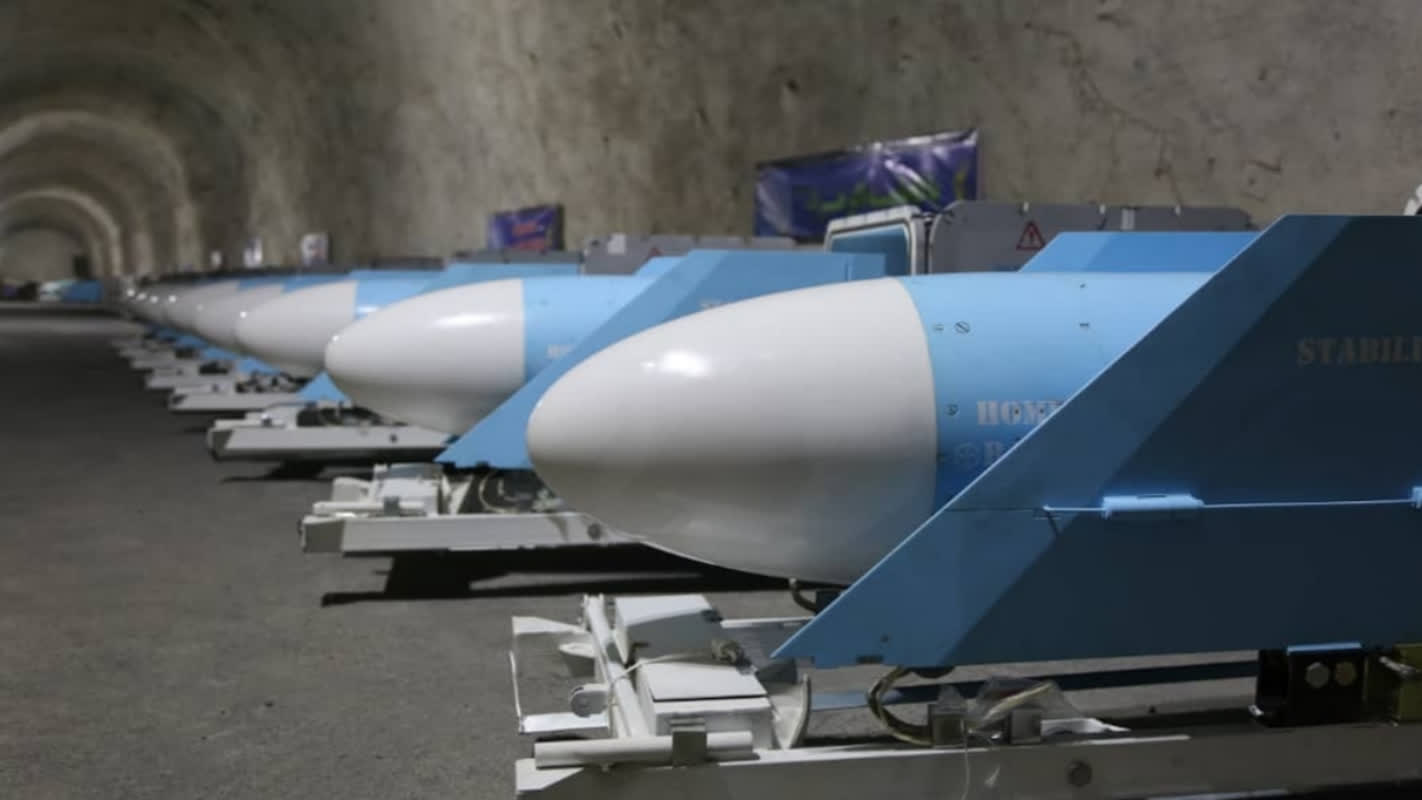
Tehran has simultaneously bolstered its defenses—placing mines around key islands and along coastlines in anticipation of potential U.S. seizure operations on Kharg Island—while pursuing a two-track approach that includes diplomatic channels.
Because Iran is assessing the plan through intermediaries, a breakthrough cannot be ruled out. Still, analysts say a prolonged stalemate is likely, given the domestic political constraints on both sides that make concessions difficult.












Most Commented