
Is a Ground Invasion Imminent? Analyzing the US’s Potential 17,000 Troop Surge in the Middle East
Daniel Kim Views
Translation result
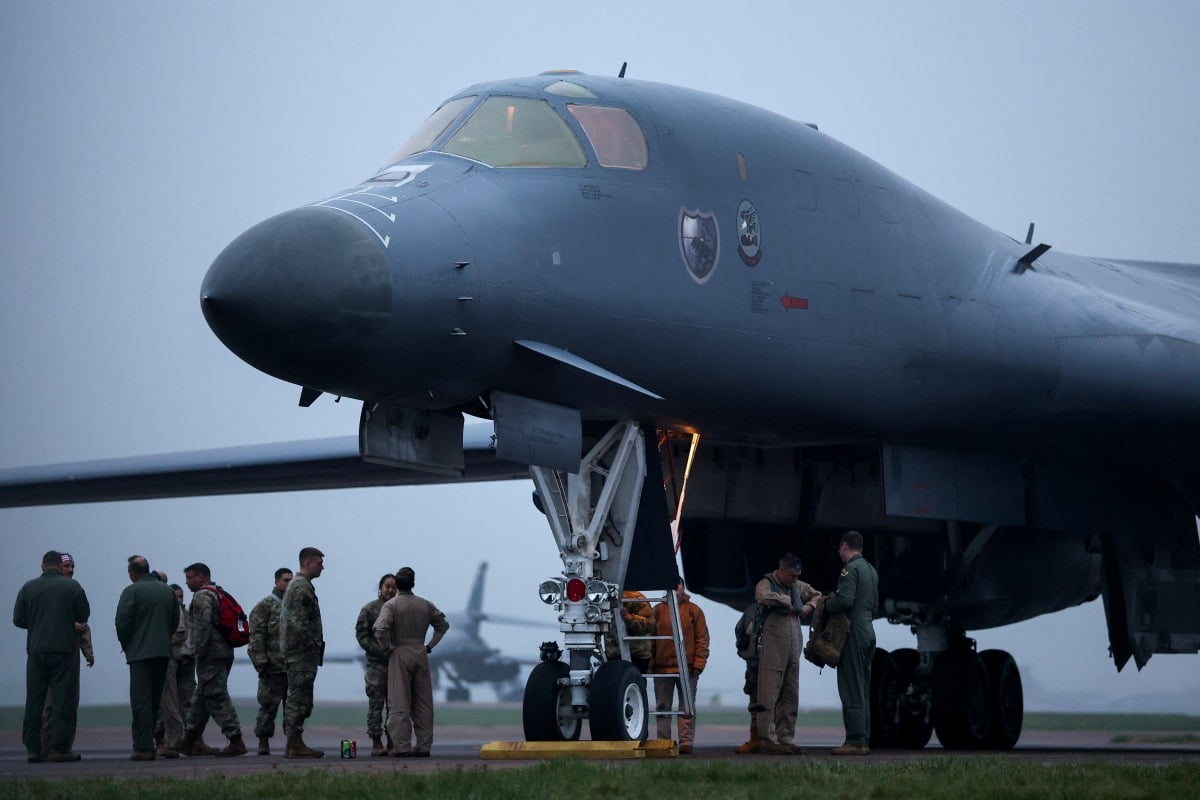
The Wall Street Journal and other outlets reported on the 27th (local time) that the U.S. Department of Defense is weighing a plan to send roughly 10,000 additional ground troops to the Middle East, raising the total U.S. force in the region to about 17,000.
Officials say the reinforcements could include infantry, armored vehicles and logistics support units.
That force level is far smaller than the roughly 150,000 troops deployed during the 2003 Iraq invasion. Analysts say the numbers point to limited, targeted operations or strategic pressure rather than a full-scale ground campaign.
Experts say the forces could be tasked with multiple objectives: securing sites that store highly enriched uranium inside Iran; seizing islands off Iran’s southern coast; or taking coastal strongpoints.
The waters around the Strait of Hormuz are narrow and shallow, complicating access and increasing operational risk. U.S. forces could face attacks from Iranian missiles, drones and naval mines.
Seth Jones, a researcher at the Center for Strategic and International Studies who previously served at the Pentagon and U.S. Special Operations Command, warned, “The growing threat from supersonic anti-ship missiles and drone attacks makes it unlikely an operation would succeed without casualties.”
Political costs are also a factor. Sending ground troops would raise the risk of U.S. casualties and could fuel anti-war sentiment at home.
For that reason, analysts contend the troop buildup appears more like leverage to strengthen negotiating position than an imminent deployment. Secretary of State Marco Rubio has said the U.S. can achieve its goals without ground forces, signaling that military options are being used as a bargaining chip.
Kim Jung-woo (enyou@hankyung.com)















Most Commented