
Translation result
Trump’s push-and-pull on talks and strikes
If additional deployments proceed, U.S. ground forces could total 17,000
Four options include seizing Harg Island and blockading the Strait of Hormuz
U.S. media report a ‘final strike’ option
Critics call it a diplomatic disaster driven by family and close associates
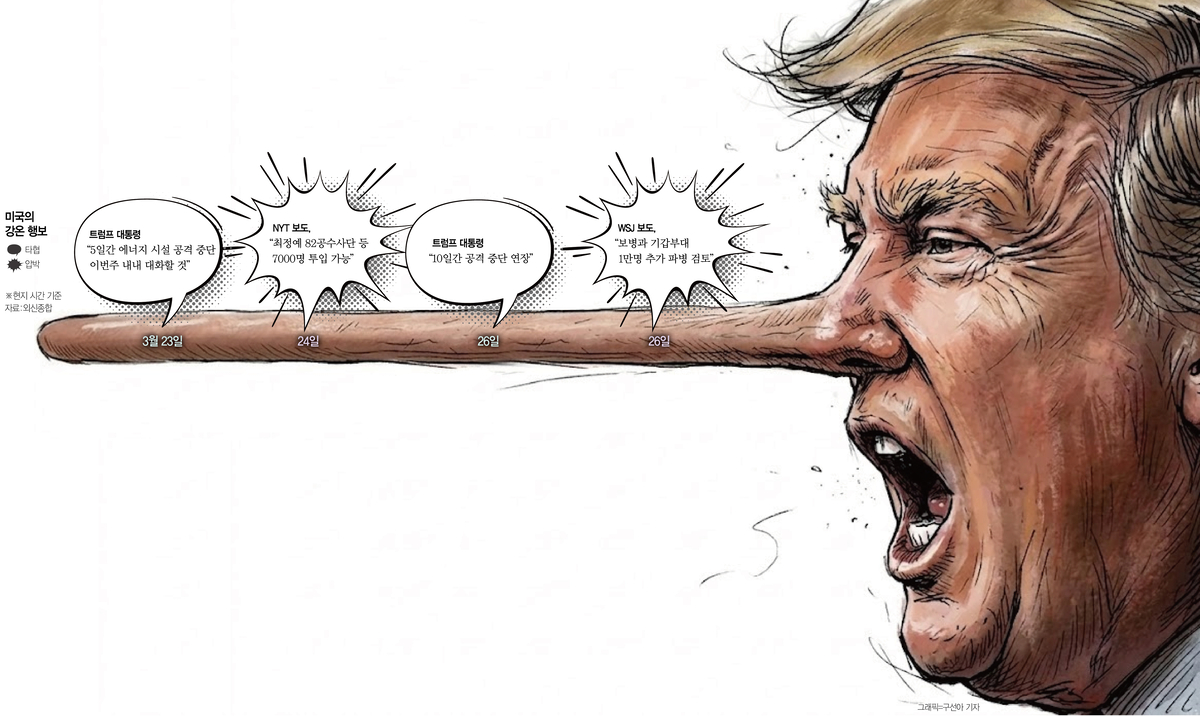
As talks involving the U.S., Israel and Iran continue with little progress, the likelihood of additional U.S. ground forces deploying to the region has increased. Even on the 26th (local time), the Trump administration — which has been communicating with Tehran through intermediaries — was reported to be weighing the deployment of up to 10,000 additional infantry and armored troops. Iran, for its part, warned it would mobilize volunteer forces to fight if necessary. Analysts say Iranian confidence in President Donald Trump has eroded, and a worst-case scenario involving fighting based from islands in the Strait of Hormuz has emerged.
The Wall Street Journal and other outlets reported on the 26th that the administration is considering sending up to 10,000 more ground troops to the region. If added on top of Marines and airborne units already being repositioned, total U.S. ground forces in the Middle East could rise to roughly 17,000.
Citing multiple sources, the WSJ said the Pentagon believes President Trump is weighing peace talks with Tehran and is considering the extra deployment to preserve a broader set of military options.
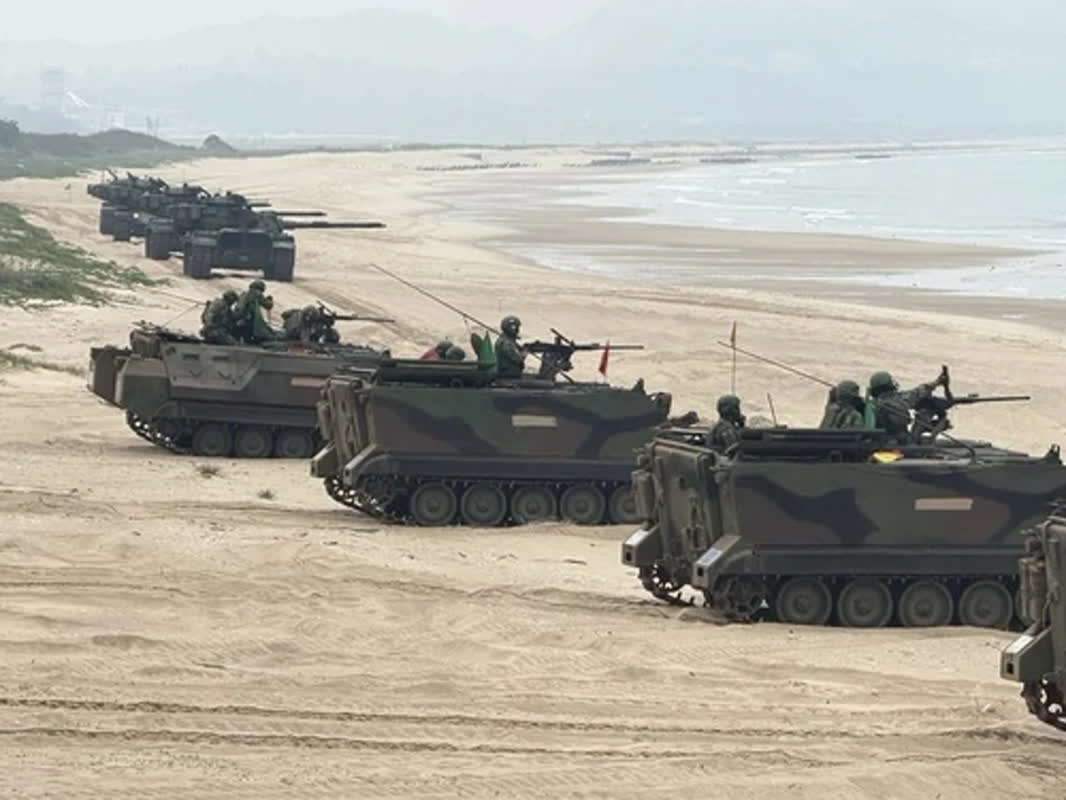
The U.S. has already redeployed about 2,200 Marines from the 31st Marine Expeditionary Unit in Okinawa, roughly 2,200–2,500 Marines from the 11th MEU on the U.S. mainland, and about 2,000 troops from the 82nd Airborne Division to the Middle East. Elements of the 31st MEU and the 82nd Airborne could arrive near Iran as soon as the weekend, officials say.
The WSJ noted that the Pentagon has not publicly named specific units for any further deployments but said those forces could include infantry and armored elements. They would join roughly 5,000 Marines already ordered to the region and thousands of airborne troops from the 82nd. While exact basing is uncertain, the paper added, the forces would likely be positioned within striking distance of Harg Island, a key Iranian oil-export hub.
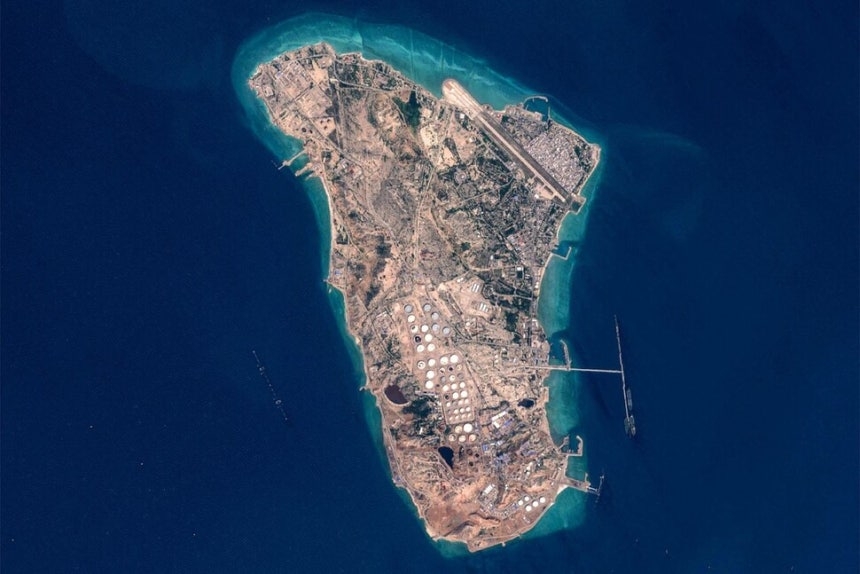
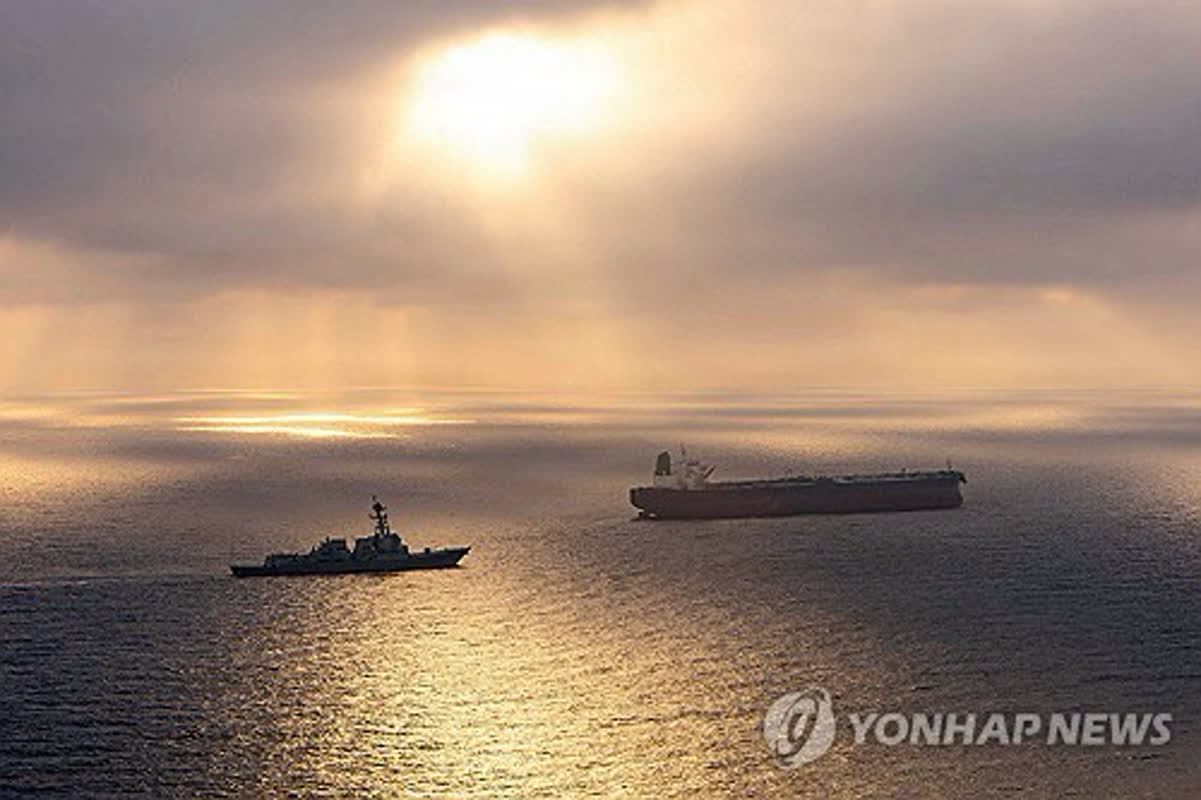
Related reporting from Axios said the Pentagon has drawn up a so-called “final strike” option. That plan outlines four scenarios: invading or blockading Harg Island; seizing Larak Island to prevent Iran from tightening control over the Strait of Hormuz; occupying Abu Musa and nearby islets at the strait’s entrance; and intercepting or seizing vessels exporting Iranian oil east of the strait.
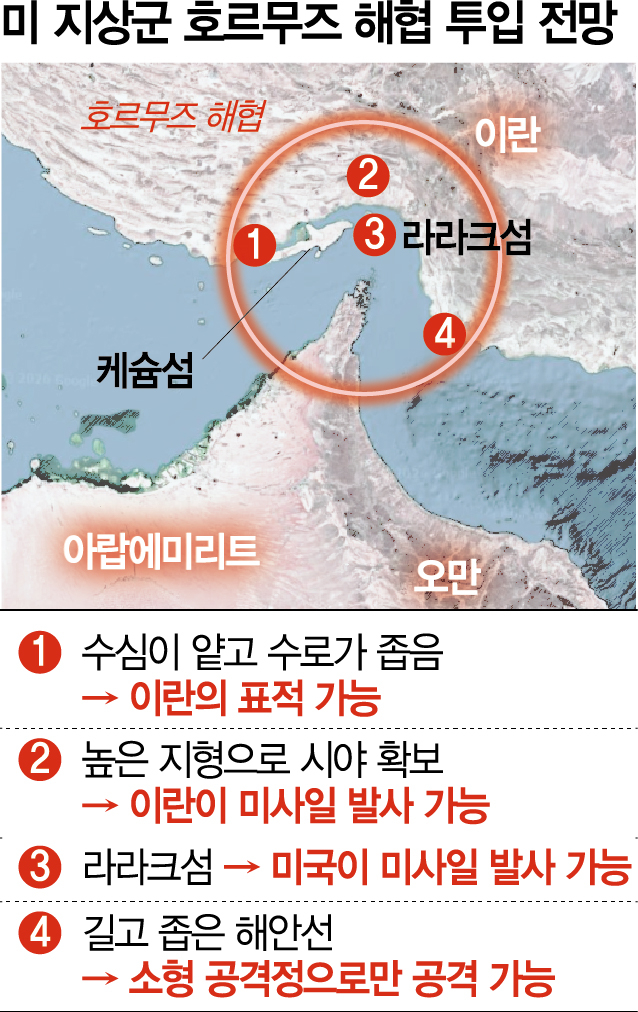
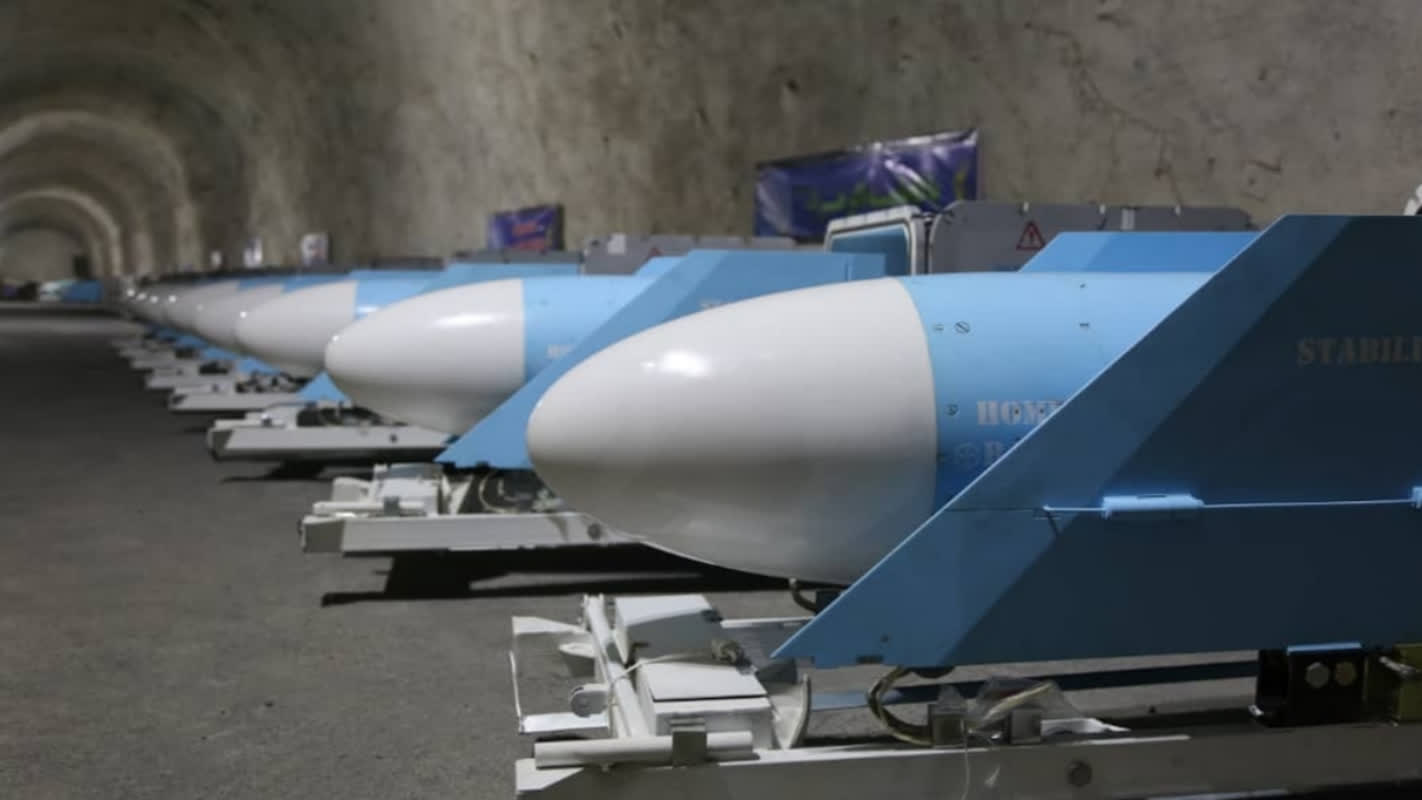
After reports of the U.S. force buildup, Tehran responded sharply. Iranian officials said they have organized more than 1 million volunteers to prepare for a possible U.S. ground invasion and warned that any American intervention would bring “historic hell.” State-linked Tasnim news agency reported surging recruitment into the Islamic Revolutionary Guard Corps and the Basij militia in recent days, with military sources saying more than 1 million people have offered to join the fight. Observers note that Iran’s emphasis on volunteers rather than new weaponry may indicate significant degradation of its conventional military capacity.
Even Israel — the most hawkish actor in the conflict — is showing signs of strain. Reports indicate shortages of missile stockpiles and problems with some air-defense systems, contributing to growing war fatigue.
Concerns have been voiced inside the Israel Defense Forces. State broadcaster Channel 13 reported that IDF Chief of Staff Eyal Zamir told a security cabinet meeting on the 25th that the army is showing “ten warning signs before self-destruction,” warning that mounting fatigue could push the force beyond its limits.
Critics argue that President Trump’s oscillation between negotiations and force reflects the consequences of relying on family members and close associates to manage diplomacy and national security. Unlike trade disputes or tariff negotiations, battlefield diplomacy does not lend itself to using personal allies as intermediaries.
Jake Sullivan, who served as national security adviser during the Biden administration, told a recent broadcast that Iran had offered a proposal in Geneva days before the strikes that could have produced significant progress on the nuclear issue. “To my knowledge, our negotiating team failed to grasp the offer properly, dismissed it, and chose to carry out the strike,” he said.










Most Commented