
Translation result
|
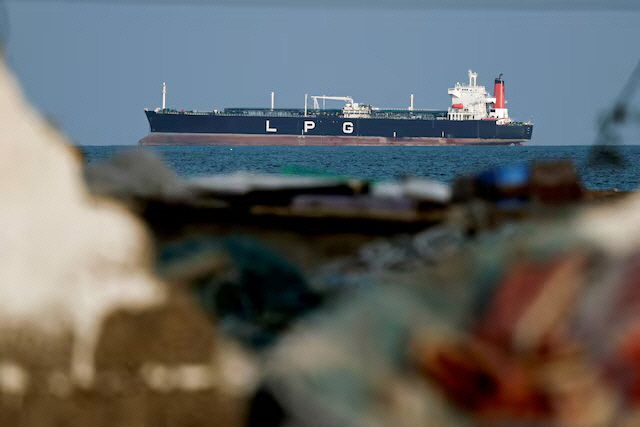
Reuters reported on March 22 (local time) that Iran said it would keep the Strait of Hormuz open to all vessels except those tied to states Tehran considers enemies. The announcement came after U.S. President Donald Trump demanded the waterway be \”fully opened\” within 48 hours and warned of strikes on Iranian power facilities.
That day, Ali Musavi, Iran’s delegate to the International Maritime Organization (IMO), said Tehran remains willing to cooperate on maritime safety despite the current geopolitical crisis.
Musavi told the IMO that Iranian authorities stand ready to work with the organization to strengthen safety in the Gulf and to protect seafarers. He said vessels not linked to states Iran deems hostile could transit the Strait of Hormuz if they coordinate security and safety measures with Iranian authorities.
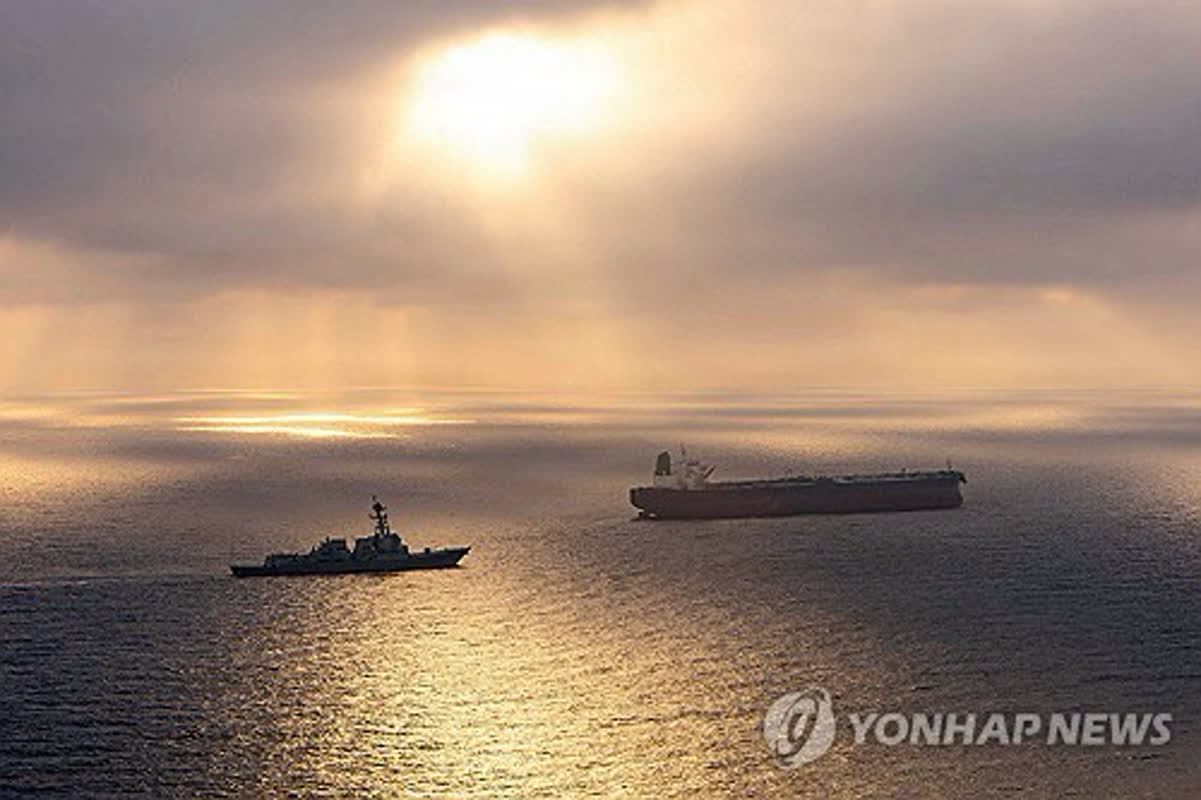
The Strait of Hormuz is a strategic chokepoint through which roughly 20% of the world’s oil and liquefied natural gas (LNG) supplies flow. Most commercial traffic has avoided the passage amid fears of Iranian strikes as military tensions between the U.S., Israel and Iran escalate.
Musavi blamed the current tensions on aggressive actions by the U.S. and Israel. He stressed that Iran still prioritizes a diplomatic solution and said it would permit transit only if hostile acts stopped entirely and mutual trust was restored.
With a U.S. ultimatum on one side and Iran’s conditional reopening on the other, the international community is watching closely to see whether ships will actually resume transits through the Strait of Hormuz — and whether that could trigger further military clashes.










Most Commented