
Is Iran Opening the Hormuz Strait to Japanese Vessels? What It Means for Energy Security in Asia
Daniel Kim Views
Translation result.
[Inews24 reporter Kim Jong-seong] Iran has signaled it may allow Japanese vessels to transit the Strait of Hormuz, and the South Korean government said it is closely monitoring the situation while coordinating with relevant partners.
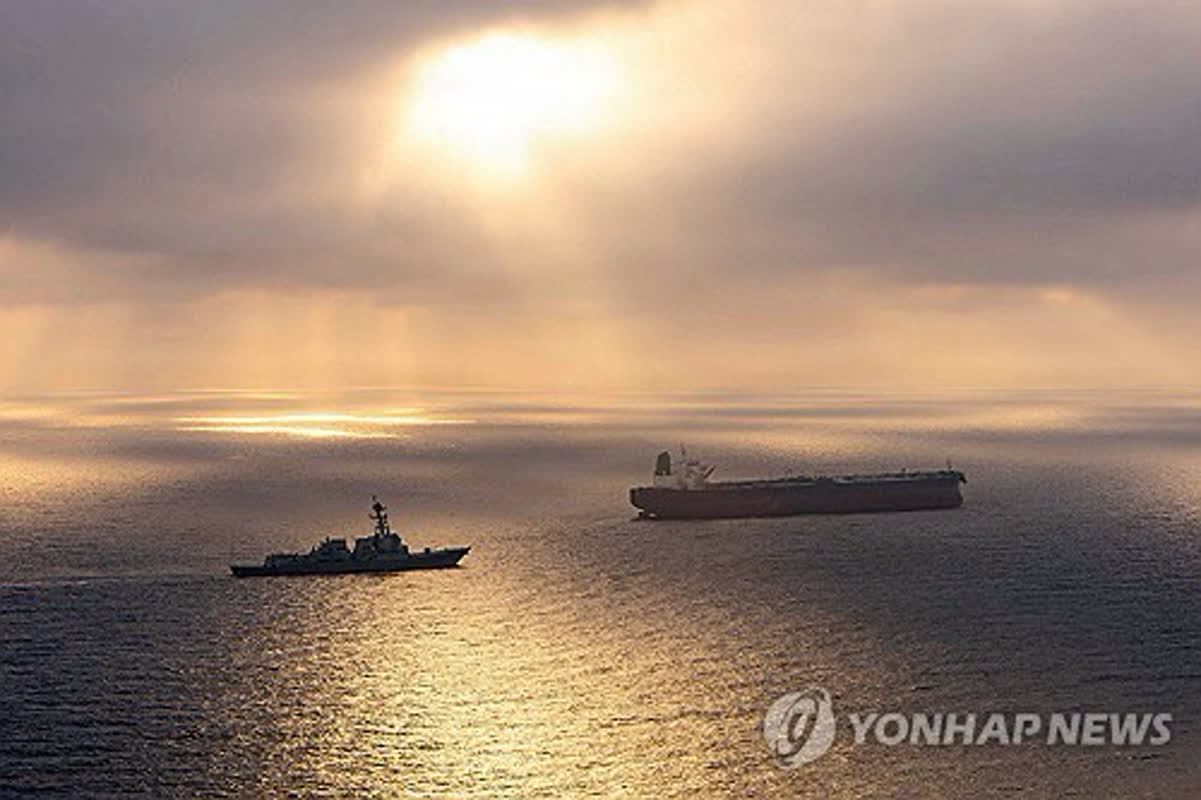
![On the 11th (local time), oil tankers and cargo ships are anchored in the Strait of Hormuz as seen from Mina al-Fujairah in the United Arab Emirates. [Photo: AP/Yonhap]](https://contents-cdn.viewus.co.kr/image/2026/03/CP-2023-0087/image-cea9183a-0a9c-4996-9acf-75968d87fa14.jpeg)
A Foreign Ministry official said on the 21st that Seoul is closely tracking developments in the Middle East and exploring multiple options to protect its citizens and safeguard critical energy shipping lanes. \”To that end, we have maintained ongoing communications with Iran and other concerned countries,\” the official added.
The comment was a response to Iran’s suggestion that it could permit Japanese ships to pass through the strait. Earlier, Iranian Foreign Minister Abbas Araghchi told Japan’s Kyodo News that \”the strait is open,\” saying passage for non-hostile vessels is possible and that Tehran is willing to coordinate with the countries involved to ensure safe transit. He said Japanese vessels could be allowed after consultations.
The Strait of Hormuz, which falls within Iranian territorial waters, channels more than 20 percent of the world’s seaborne oil trade. For East Asian economies such as South Korea and Japan, it serves as an economic lifeline.
Following U.S. and Israeli airstrikes, Iran has at times effectively closed the strait, intensifying a global energy squeeze. China and India are negotiating with Tehran to secure passage for their ships, and Iran has allowed a limited number of transits to demonstrate control over the waterway and to ease its diplomatic isolation.
Some analysts say Iran’s conciliatory outreach to Japanese media may be intended to expose divisions among U.S. allies. A UK-led group of seven U.S. allies — including France, Germany, Italy, Japan, the Netherlands and Canada — issued a statement condemning Iran’s blockade of the Strait of Hormuz. South Korea later joined the declaration. According to the UK government, the number of countries supporting the statement has since grown to 20.












Most Commented