
Is Taiwan Prepared? Defense Minister Emphasizes Urgent Need for Military Strength Amid China’s Expansion
Daniel Kim Views
Translation result
|
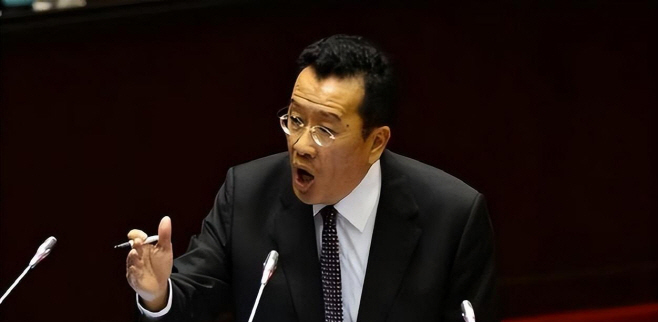
Beijing-based sources familiar with cross-strait affairs told reporters on March 20 that Gu told lawmakers at the Legislative Yuan hearing the day before that “China has never renounced forcible unification” and has not halted its military expansion. He warned the threat from that expansion is growing daily and said Taipei must keep strengthening its defense capabilities to build effective deterrence and raise the costs China would face for any aggression.
He singled out Beijing’s recent fiscal choices, noting that even as it set this year’s economic growth target at 5% or below, it boosted the defense budget by 7%. At the fourth session of the 14th Two Sessions earlier this month—the Chinese People’s Political Consultative Conference and the National People’s Congress—Beijing set a 2026 growth target of 4.5–5% and approved a 7% year-on-year increase in defense spending.
Gu said Taiwan’s objective is to steadily build defensive capacity to establish credible deterrence, aiming to convince Beijing that “tomorrow is not a good day to invade.” He added that stronger defenses both raise deterrence and reduce the likelihood of an assault, which in turn could delay any potential invasion timeline.
He also noted that Chinese warships continue to patrol waters around Taiwan as part of combined combat-readiness operations, maintaining military pressure. To deter a full-scale invasion, he said Taipei must continuously upgrade equipment, capabilities and training.
On March 18 (local time), the U.S. Office of the Director of National Intelligence said in its “2026 Annual Threat Assessment” that China’s leadership currently has no plan to invade Taiwan in 2027 and no specific timeline for such an operation.
The DNI assessment also warned that Beijing would be prepared to use force to compel unification if it judged it necessary and has threatened to respond if the United States uses Taiwan in ways Beijing views as intended to weaken China’s rise. Still, the report concluded Beijing prefers to achieve unification without military force when possible and will likely continue throughout 2026 to try to shape conditions for eventual unification without resorting to conflict.
The Chinese government reacted angrily. At a regular briefing on March 19, Foreign Ministry spokesman Lin Jian (林劍) urged U.S. agencies and officials to drop ideological bias and Cold War zero-sum thinking, correct their perceptions of China and stop promoting a “China threat” narrative. The public tug-of-war among Beijing, Taipei and Washington increasingly reads like a banquet of honeyed words that conceals sharper intent.











Most Commented