
Iran’s Missile Attacks: What Saudi Arabia’s Military Response Means for Gulf Security
Daniel Kim Views
Translation result.
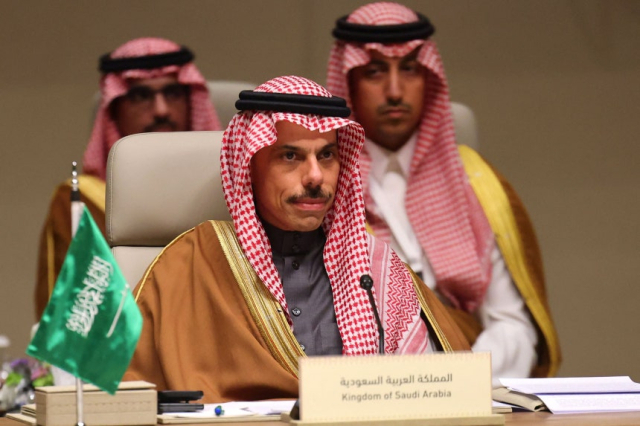
Iran launched retaliatory strikes against neighboring Gulf states after U.S. and Israeli strikes, prompting a sharp rebuke from Saudi Arabia and a warning that military action could not be ruled out.
On March 19, Reuters and other outlets reported that foreign ministers from 12 Muslim-majority countries—including Türkiye, the United Arab Emirates, Jordan and Qatar—met in Riyadh to coordinate a response. During the meeting, witnesses said a ballistic missile fired by Iran was tracked heading toward Riyadh and interceptors were seen launched nearby.
The strikes were widely viewed as retaliation for Israel’s hit on Iran’s crucial South Pars gas field. Iranian missiles reportedly targeted energy infrastructure in Qatar and Saudi Arabia. Saudi Arabia’s defense ministry said it intercepted four missiles aimed at Riyadh and that some debris fell near a refinery.
Foreign Minister Faisal bin Farhan Al Saud said after the meeting, “Trust in Iran has completely collapsed,” and warned, “We can take military measures if necessary.” He added that Saudi Arabia and neighboring states maintain forces ready for immediate deployment and that their patience has limits.
He also criticized Tehran for launching an attack on the capital while foreign ministers were meeting, saying the timing demonstrated “how Iran perceives diplomacy.”
Gulf states had pursued rapprochement with Iran and tried to avoid direct confrontation, but the spread of attacks to civilian infrastructure has hardened their posture. The UAE, in particular, sustained concentrated drone and missile strikes that damaged airports, refineries and ports.
The Wall Street Journal reported that Gulf leaders no longer view the Iranian regime solely as a negotiating partner; they increasingly see it as a long-term strategic threat. Some analysts say officials privately hope a conflict could degrade Iran’s military capabilities or even prompt political shifts within the regime.
Experts warn the clashes could expand beyond a limited military exchange into a protracted dispute over energy transit routes and the regional security order. Control of the Strait of Hormuz, they say, remains a critical variable with potentially significant implications for the global economy.











Most Commented