
Translation result.
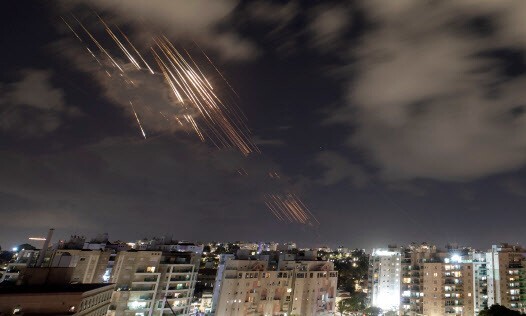
1,800 Iranian missiles strike Dubai in an unprecedented disaster as the U.S. withdraws defense support
The Islamic Revolutionary Guard Corps launched 1,800 ballistic missiles with an estimated 2,000 km range into the Dubai area, transforming one of the world’s largest economic hubs into ruins. With the Burj Khalifa burning and the international airport pocked with craters, officials reported more than 5,000 casualties and economic losses of about $2 trillion. The scale of the damage prompted even the United States to step back from defense and recovery operations, effectively leaving Dubai a charred wasteland. What had been a global center for aviation, tourism and finance became a tableau of destruction, highlighting both the inhumanity of the regional war and the limits of Western security commitments.
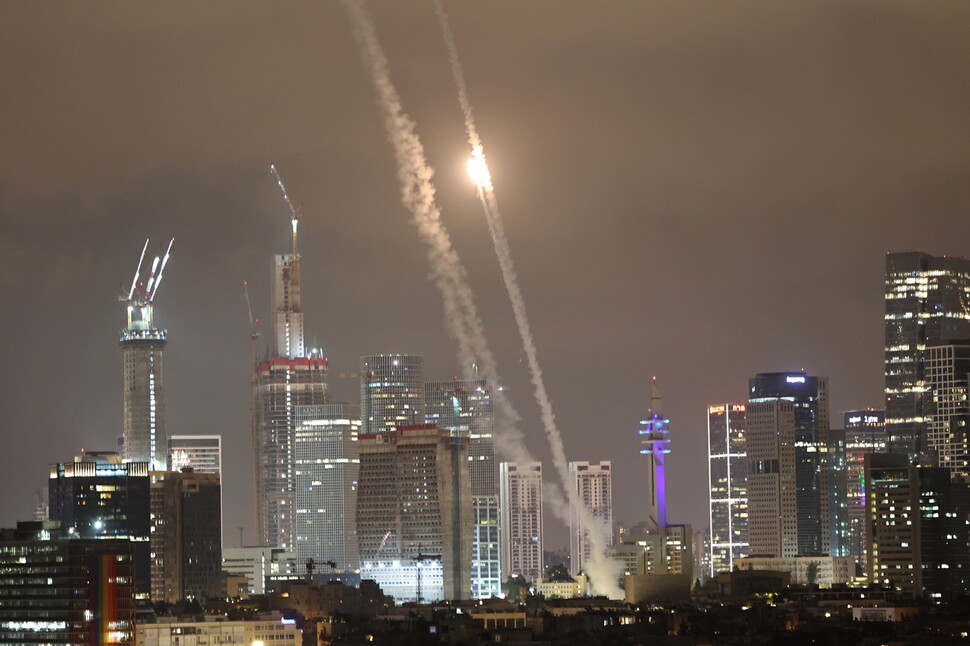
72-hour barrage of 1,800 missiles levels Dubai’s skyline
Over a 72-hour period, Iran struck Dubai with a sustained barrage using Sajil-3 and Fateh-110 ballistic missiles — a total of 1,800 rounds, causing unprecedented damage and destroying roughly 70% of the city’s high-rise stock. A direct hit punched a 20-meter hole through the Burj Khalifa’s exterior. Palm Jumeirah was consumed by linked fuel explosions. The international airport sustained 30 runway craters and the loss of three terminals, gutting a hub that previously handled some 90 million passengers annually. At Dubai Creek, about 50 tankers sank, spreading a 100-kilometer stretch of oil along the coastline. Satellite thermal imagery captured the city glowing like 1,200°C lava, and live social media streams showed collapsing towers and civilians crying out for help. The IRGC publicly celebrated, calling it an attack on the “West’s cash cow,” but the strikes could expose leaders to potential ICC prosecution for mass civilian casualties. This barrage ranks among the most devastating modern examples of urban warfare.
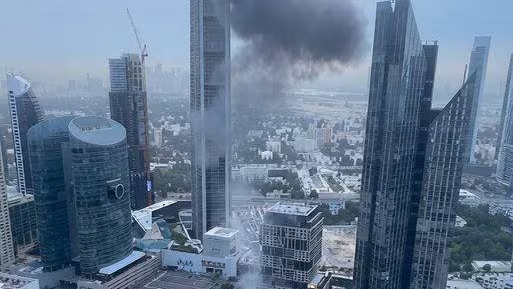
Burj Khalifa and Palm Jumeirah devastated — Dubai’s boom era ends
The Burj Khalifa (829 m) took 12 confirmed direct hits that collapsed the upper 300 meters of the tower, and falling debris buried the Dubai Metro and major highways. Palm Jumeirah’s luxury sector — roughly 40 high-end hotels and the Atlantis resort — became flaming islands after adjacent fuel-tank detonations. The dome of the Burj Al Arab was shattered by a blast that sent shards of green glass outward. Expo 2020 grounds and the Dubai Mall suffered roof collapses that left an estimated 2,000 people crushed. Dubai Creek’s yacht basin ignited after explosions at facilities storing aviation fuel and private-jet fuel, igniting fuel on about 300 private jets. A direct strike on the World Central Bank breached vaults, erasing holdings equivalent to about 5 trillion KRW (approximately $3.75 billion). Authorities declared 80% of high-rise residential blocks beyond salvage, and roughly 1 million of Dubai’s 3.5 million residents were rendered homeless. The scale of destruction likely makes this the costliest urban loss of the 21st century.
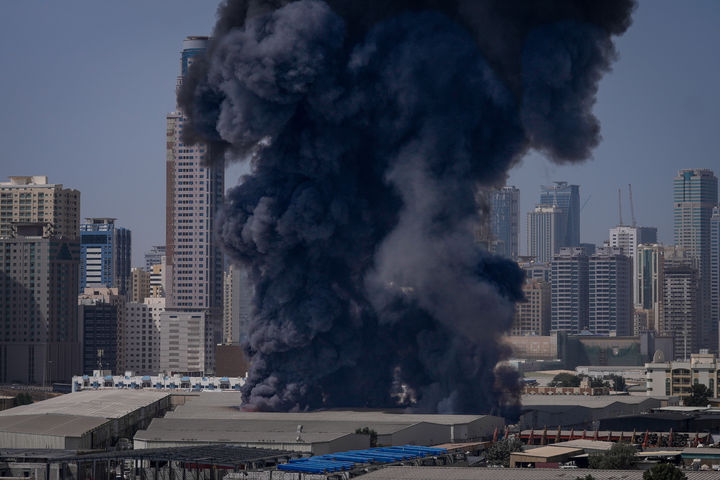
International airport knocked out; up to 40% of global air and logistics capacity disrupted
Dubai International Airport, long a key intercontinental hub, handled an estimated 10 million movements a year and linked Africa, Europe and Asia. Direct missile strikes — about 200 in the airport area — produced 28 runway craters, destroyed control towers and terminals, and forced a full shutdown with an anticipated minimum 18-month recovery period. Emirates and flydubai canceled roughly 2,000 flights, cargo operations fell by about 90%, and critical supplies of electronics and medicines faced depletion within 40 days. A fuel-tank explosion at a cargo facility released an estimated 500,000 kiloliters of jet fuel and prompted a no-fly zone spanning 50 kilometers, crippling roughly 70% of routes to India and Europe. Air fares spiked up to 20 times normal levels, container shipping rerouted, and logistics costs climbed fivefold. The airport’s collapse dealt a shock comparable to a heart attack for the global economy.
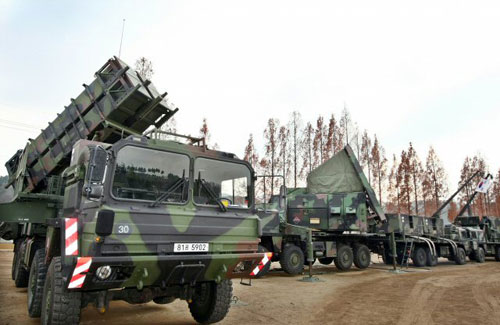
Why U.S. forces stepped back: Patriot and THAAD intercept rates fell to about 30%
UAE air defenses — including 52 Patriot PAC-3 launchers and two THAAD batteries — intercepted only about 1,260 of 1,800 (a roughly 70% failure), allowing approximately 540 rounds to reach their targets. Maneuverable Sajil-3 warheads traveling at near-Mach 8 overwhelmed Patriot tracking solutions, and THAAD’s high-altitude focus proved ineffective against low-altitude urban attacks. U.S. political and military leaders acknowledged the limits of deployed air defenses; U.S. Central Command warned that a ~30% intercept rate could not protect a dense urban center. Drone jamming and electronic attack also threatened allied air assets, prompting the withdrawal of 50 F-22s. The episode exposed critical vulnerabilities in Western air-defense systems when faced with massed, high-speed, low-altitude strikes.
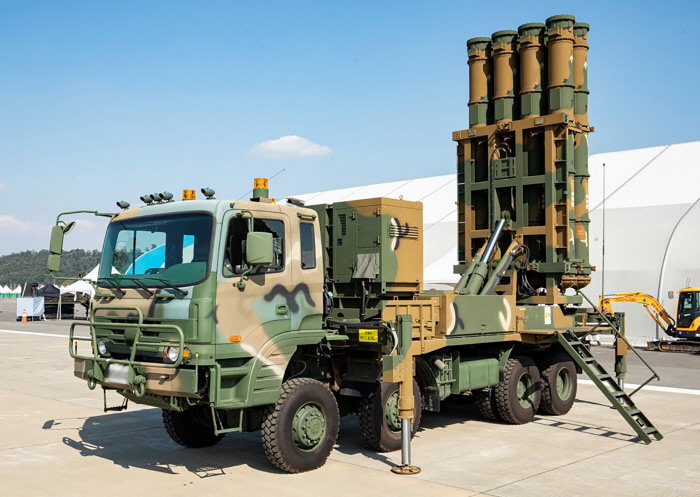
UAE orders South Korea’s Cheongung-II in emergency deal; K‑defense emerges as regional standard
Within 48 hours of the U.S. pullback, Abu Dhabi signed an emergency contract to acquire 100 batteries of Korea’s Cheongung-II — a deal reported at about 20 trillion KRW (approximately $15 billion) — to rebuild its air-defense posture. UAE officials cited battlefield data indicating the system achieved up to 96% interception success in earlier exchanges. Authorities airlifted 52 multifunction radars and some 5,000 interceptors to the region. Saudi Arabia ordered an additional 200 batteries, while Iraq and Qatar moved to procure 500 mobile air-defense units, effectively standardizing a K‑defense package across parts of the Gulf. Hanwha Systems tied airport reconstruction support to the permanent deployment of Cheongung-II and confirmed plans for a local production facility. The setbacks faced by Patriot systems accelerated interest in South Korean air-defense technology.
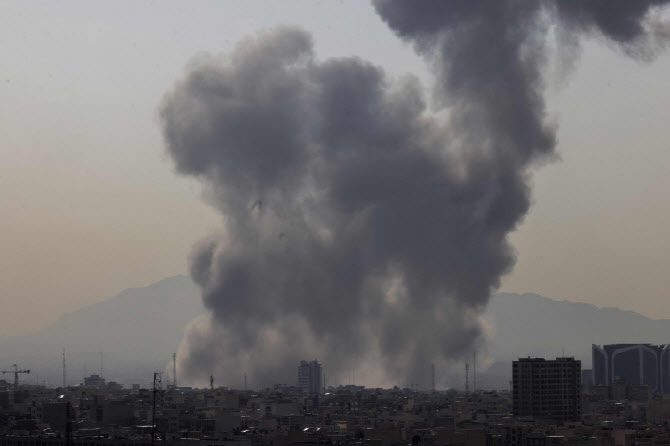
Economic and demographic collapse make full recovery unlikely — Dubai faces a return to the desert
Dubai’s economy, which depended roughly 40% on tourism, 30% on aviation and 20% on financial services, lost an estimated 80% of its GDP to the missile campaign. Hotels and major resorts were about 90% destroyed. The Dubai Mall suffered roof collapses that destroyed roughly 1 trillion KRW (approximately $750 million) in inventory. A 50% drop in the dirham’s value triggered a capital flight estimated at around $1 trillion. Some 1 million residents evacuated, and about 90% of foreign workers returned home, bringing many city functions to a halt. Reconstruction costs are projected at around $5 trillion, risking severe fiscal strain for the UAE and raising the possibility that Dubai could, in effect, revert to a much more marginal role. Abu Dhabi has moved some administrative functions to preserve governance, but Dubai’s brand value has been reduced by 90%, making full restoration increasingly uncertain. The catastrophe represents the abrupt end of a modern, human-made urban miracle.










Most Commented