
@@@
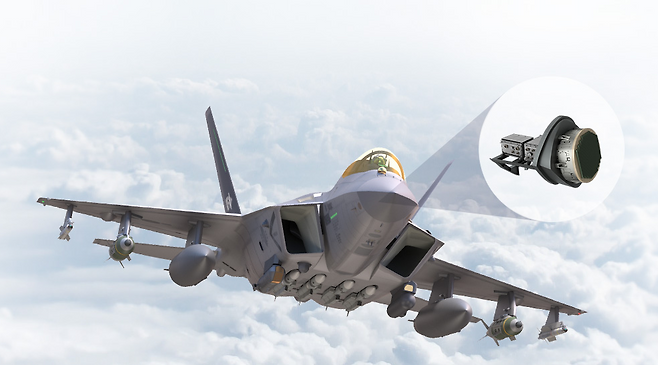
Image created by AI tool related to article content
@@@
The Groundbreaking Achievement: South Korea Develops World’s Third GaN AESA Device
South Korea has joined an elite group, becoming the third nation globally to independently develop a high-power Gallium Nitride (GaN) AESA radar device, following Japan and the United States. This breakthrough component, crucial for electronic warfare, radar systems, and missile seekers, delivers five times the output in one-third the size of traditional Gallium Arsenide (GaAs) systems, significantly boosting advanced weapons capabilities.
February 2026 marked a pivotal moment as Hanwha Systems and LIG Nex1 unveiled their first production model, declaring technological independence. This milestone came after 15 years of rigorous development by the Defense Science Research Institute, culminating in a Ku-band (12-18 GHz) high-power device set to be a cornerstone of the KF-21 Block 3 radar. The global defense community watched with keen interest.
The implications of this technology extend far beyond defense, positioning South Korea at the forefront of cutting-edge industries like 6G and satellite communications.
@@@
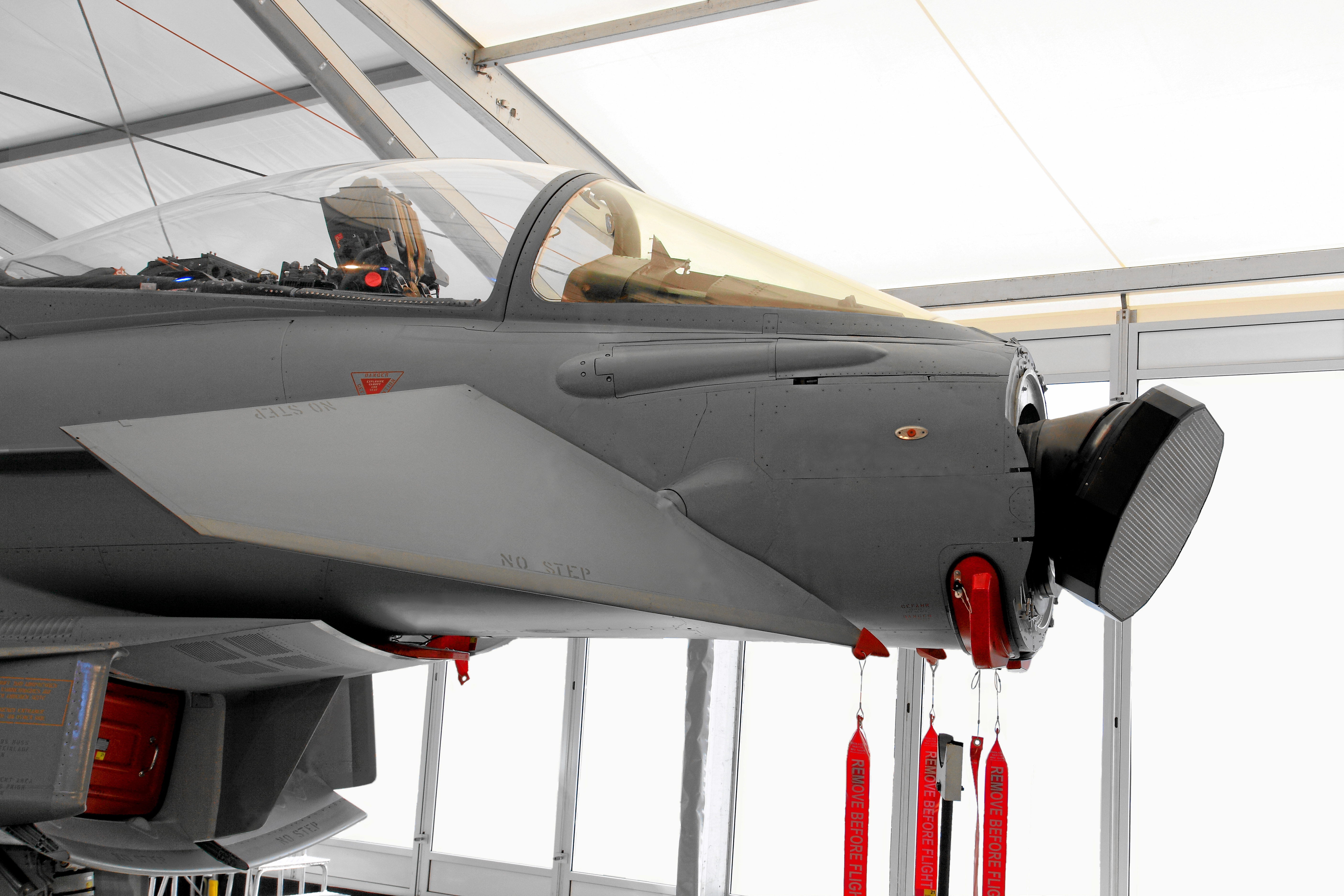
Image created by AI tool related to article content
@@@
Overcoming U.S. Technology Transfer Denials: South Korea’s Path to Independence
In the early 2000s, as South Korea embarked on the KF-21 development, it sought crucial AESA T/R module technology from the United States. However, citing national security concerns, the U.S. denied the request, granting limited access only to Japan and Europe. Even F-35 radar technology was withheld, ostensibly to counter Chinese threats.
Undeterred, South Korea launched its GaN device development project in 2011, spearheaded by the Defense Science Research Institute. The goal was clear: surpass GaAs limitations and achieve high power in a compact form. After a 2 trillion KRW (1.5 billion USD) investment over 15 years, mass production began in 2026, marking South Korea’s technological independence. This achievement reportedly stunned the U.S. Department of Defense, who called it Korea’s “hidden card.”
This breakthrough represents years of unwavering determination and effort.
@@@
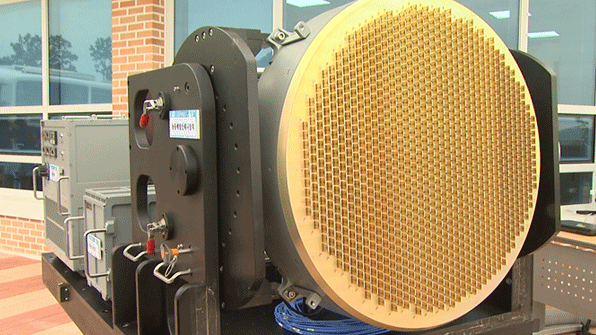
Image created by AI tool related to article content
@@@
Breaking Down the GaN Device’s Technological Leap
GaN devices offer a quantum leap in performance: five times the output density of GaAs (from 50W to 250W), triple the thermal conductivity, and just one-third the size. This allows for a 33% reduction in T/R modules per AESA radar panel while maintaining output, resulting in a 20% weight reduction and enhanced fighter jet agility.
The high-output Ku-band characteristics make these devices versatile, suitable for drone seekers, hypersonic missile terminal guidance, and electronic warfare directed energy weapons. Cooling efficiency innovations enable eight-hour continuous operation and triple the maintenance intervals. Hanwha Systems reports a significant cost reduction, with radar panel prices dropping from 520,000 USD to 370,000 USD.
This efficiency is unmatched worldwide.
@@@
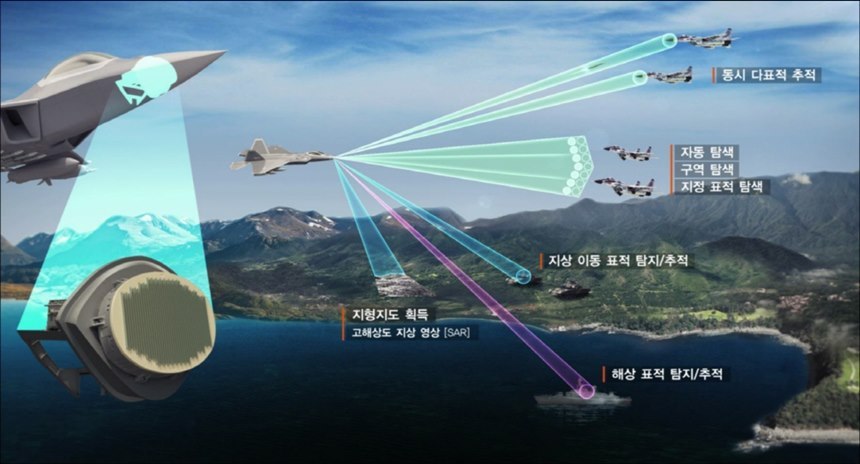
Image created by AI tool related to article content
@@@
KF-21 Fighter Jet: A Fully Domestic AESA Radar
The KF-21 Block 2 radar (APY-016K) integrates 1,200 GaN devices, boosting detection range by 40% (to 200 km) and enabling simultaneous tracking of 25 targets. It’s fully compatible with air-to-air, air-to-ground, and air-to-sea operations, facilitating automatic strikes with Hyunmoo and Cheongung missiles.
Block 3’s stealth enhancements, coupled with internal weapon bay integration, are set to surpass F-35 radar output capabilities. GaN technology transfer discussions are ongoing with the UAE for joint development, and Poland’s FA-50 upgrade will incorporate this technology. KAI aims to become the world’s third-largest AESA producer.
@@@

Image created by AI tool related to article content
@@@
The Boramae’s advanced “eyes” are now complete.
Redefining Hypersonic Missiles and Drone Seekers
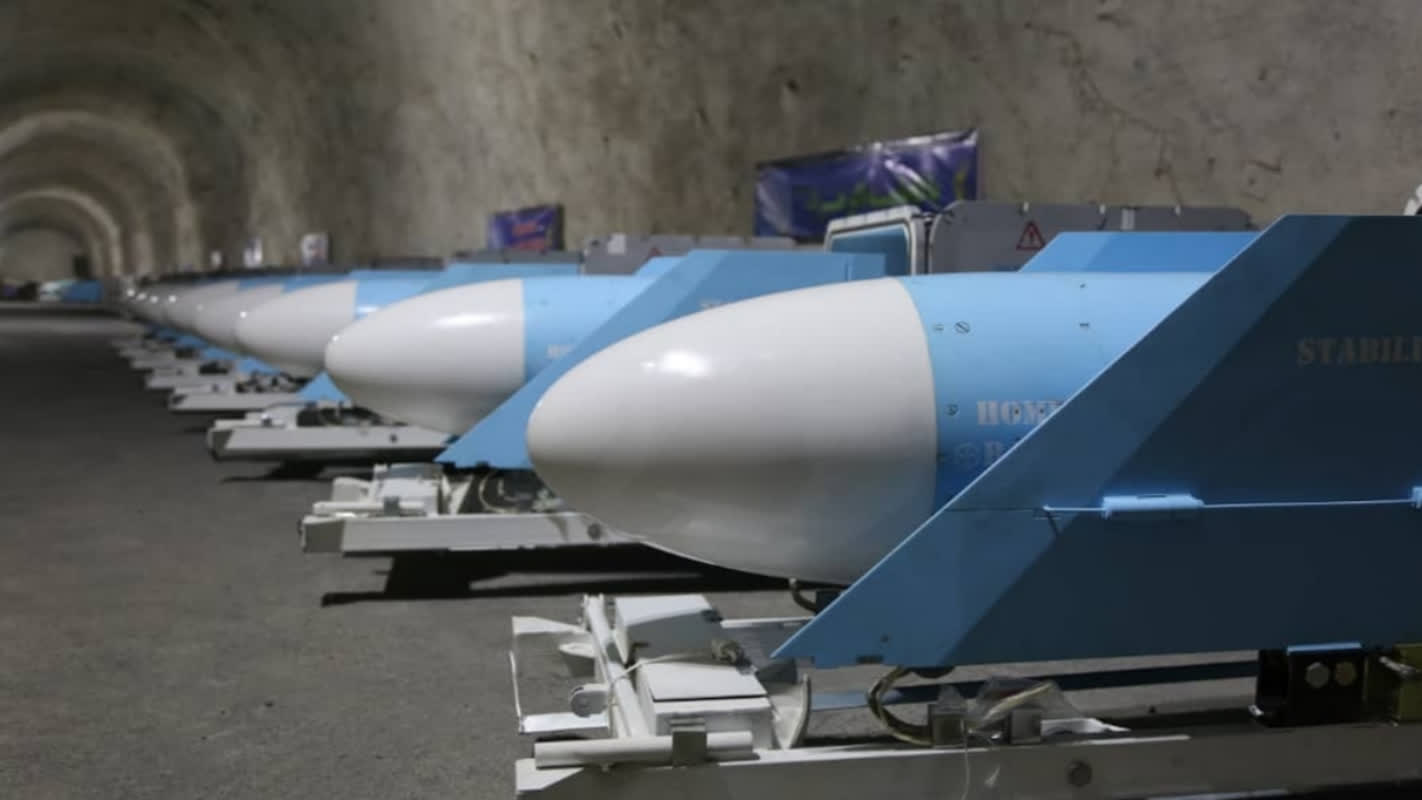
GaN devices are pivotal in the Hyunmoo-6 hypersonic missile seeker, enabling strikes with 0.1-meter accuracy at Mach 8 during terminal phases, effectively countering threats like Russia’s Kinzhal. With a 50 km detection range and 20% volume reduction, missile maneuverability is maximized.
The technology extends to small reconnaissance and attack drone seekers, capable of tracking agile 15-gram targets in swarm operations. LIG Nex1 has successfully integrated GaN AESA onto KN-1 wheeled vehicles, demonstrating effective DMG drone defense. The Marine Corps is expanding this capability to KAAV turrets.
@@@
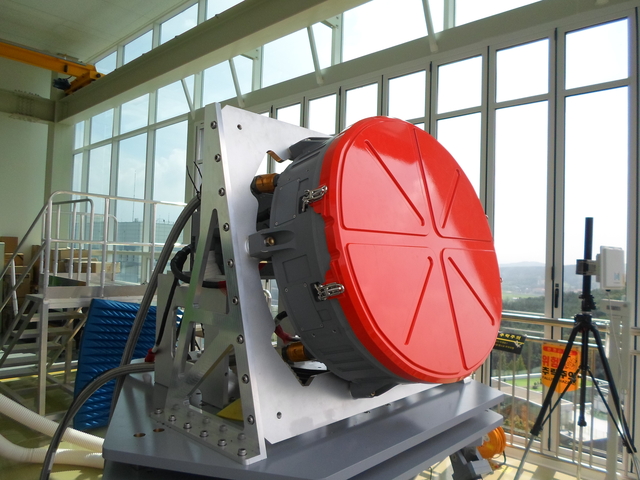
Image created by AI tool related to article content
@@@
This technology is shaping the future of warfare.
Transforming Electronic Warfare and Satellite Communications
GaN High Power Amplifiers (HPAs) are revolutionizing electronic warfare equipment, offering four times the jamming output against enemy radar and enhancing cruise missile defense. When applied to LM2 multifunction radar, it enables final target tracking at 180 km within the U.S.-Korea joint network.
The technology is branching into civilian sectors, with Samsung Electronics and SK Telecom collaborating on an 800 Gbps dedicated network for 6G and satellite communications. Partnerships with Sweden’s Saab and European Airbus aim to establish global standards.
This advancement transcends defense, impacting broader industrial dominance.
@@@
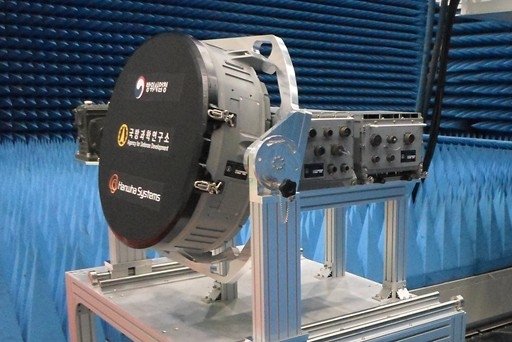
Image created by AI tool related to article content
@@@
Global Impact and South Korea’s Defense Industry Future
U.S.-based Raytheon ranks South Korea’s GaN output second globally, while Japan’s Mitsubishi acknowledges a 20-year technology gap. China’s replication attempts have faltered, and Russia’s Nebo-M radar capabilities continue to lag.
South Korea is targeting a 34 trillion KRW (25.5 billion USD) AESA export market, fostering R&D collaborations with Sweden, France, and the UAE. Domestic production has surged from 60% to 90%, with a 9% reduction in maintenance costs, solidifying global competitiveness.
From third place, South Korea now aims for global leadership in this critical technology.














Most Commented