
Indonesia’s Bold Move: First Muslim Nation to Deploy Troops to Gaza – What’s at Stake?
Daniel Kim Views
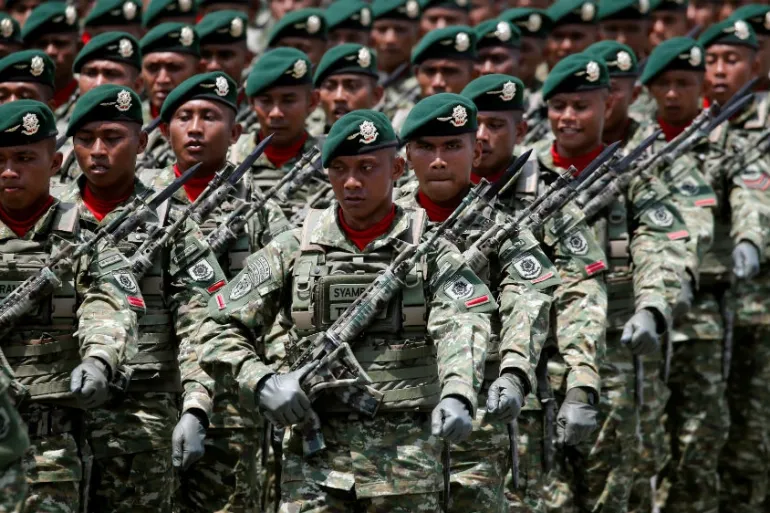
Indonesia to Become First Nation to Deploy Troops to Gaza
Israeli public broadcaster KAN reports that Indonesia is preparing to deploy thousands of troops to the Rafah area of Gaza as part of an international stabilization force. This makes Indonesia the first country to join the ISF, a key component of the U.S.-led two-phase ceasefire plan.
The Indonesian Army Chief of Staff stated in a release that “up to 8,000 troops are being prepared.” The force will primarily consist of engineering and medical units focused on road and bridge repair, as well as providing medical support.
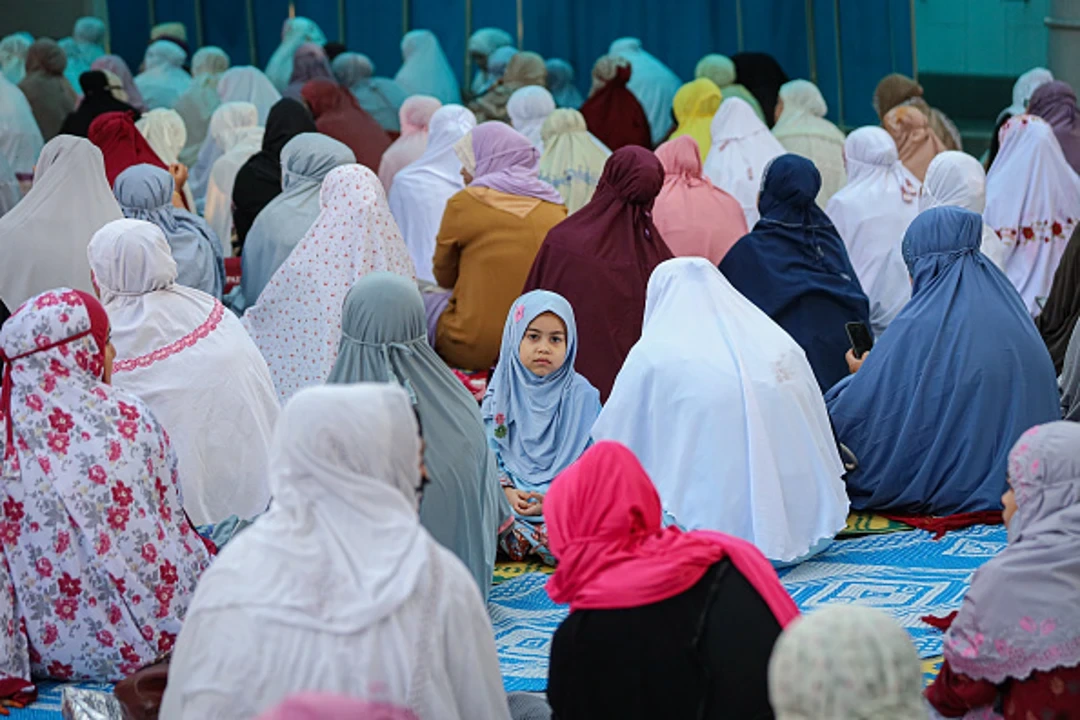
A Risky Gamble by the World’s Largest Muslim Nation
Indonesia, with 87% of its 280 million population being Muslim, strongly supports Palestine. Despite having no diplomatic relations with Israel, Indonesia aims to position itself as a Middle East peace mediator through this Gaza deployment. President Prabowo declared at the UN General Assembly, “We can deploy up to 20,000 troops for peace in Gaza.”
Amid concerns over potential Hamas attacks, the mission will be limited to non-combat roles, starting with the construction of accommodations and offices.

First Nation to Join U.S. Ceasefire Plan’s Key ISF
The ISF is central to the Trump administration’s two-phase Gaza ceasefire plan. Indonesia’s deployment makes it the first Southeast Asian country to participate. Engineering units will focus on securing routes for humanitarian aid delivery.
Israeli media predicts the mission will focus on “infrastructure restoration rather than Hamas disarmament,” avoiding direct combat engagement.
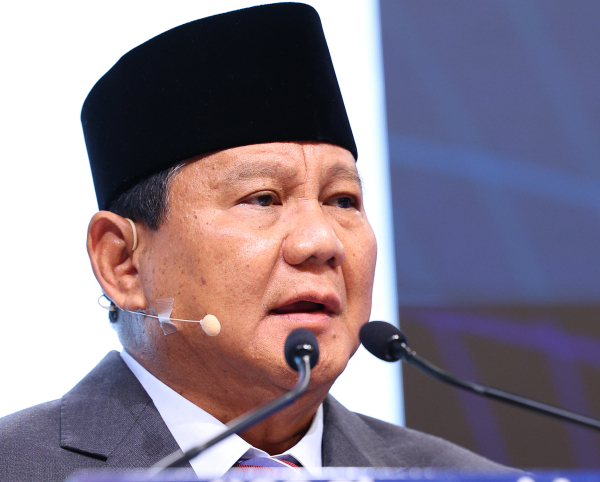
Prabowo’s First Test in Middle East Diplomacy
At the Shangri-La Dialogue, President Prabowo expressed “support for a three-phase Gaza ceasefire and willingness to deploy peacekeepers.” Indonesia has extensive experience as a major contributor to UN peacekeeping forces.
They’ve also proposed operating a hospital to treat 1,000 Gaza refugees. This Middle East engagement aims to elevate Indonesia’s international standing.
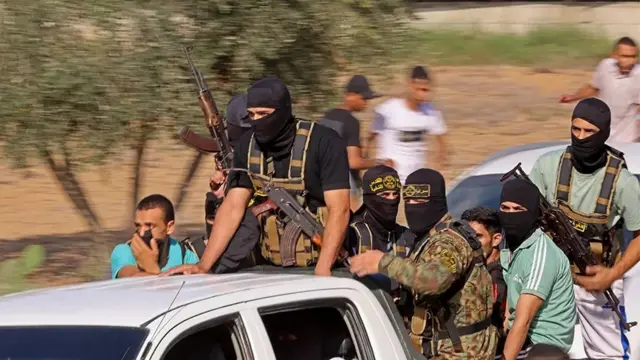
Non-Combat Mission Amid Hamas Attack Risks
Indonesian forces will avoid direct conflict with Hamas, focusing on “road and bridge reconstruction, medical support, and aid transportation.” They’re expected to cooperate with Israeli forces while stationed in the Rafah border area.
Concerns about deployment risks persist. There’s a possibility of Indonesia becoming a direct party to the conflict, rather than a mediator, in case of Hamas attacks or civilian clashes.
Domestic Opposition and International Implications
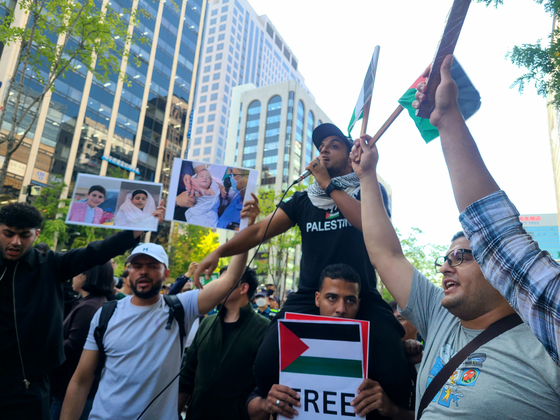
Conservative backlash is expected against the world’s largest Muslim nation cooperating with Israel. The government must consider domestic public opinion, where pro-Palestinian rallies are frequent.
Other Muslim countries like Saudi Arabia and Turkey are also considering ISF participation. Indonesia’s precedent may spark deployment debates across Asia.

First Success Expected for Trump’s Middle East Plan
Indonesia’s deployment could be a breakthrough for the Trump administration’s Gaza reconstruction plan. The U.S. aims to strengthen its mediating power with the first Southeast Asian Muslim nation’s participation.
While Indonesia may emerge as a Middle East conflict resolver, Hamas’s reaction and troop safety remain critical concerns.















Most Commented