
Ted Turner: The Media Pioneer Who Changed News Forever – A Legacy of CNN and Beyond
Daniel Kim Views
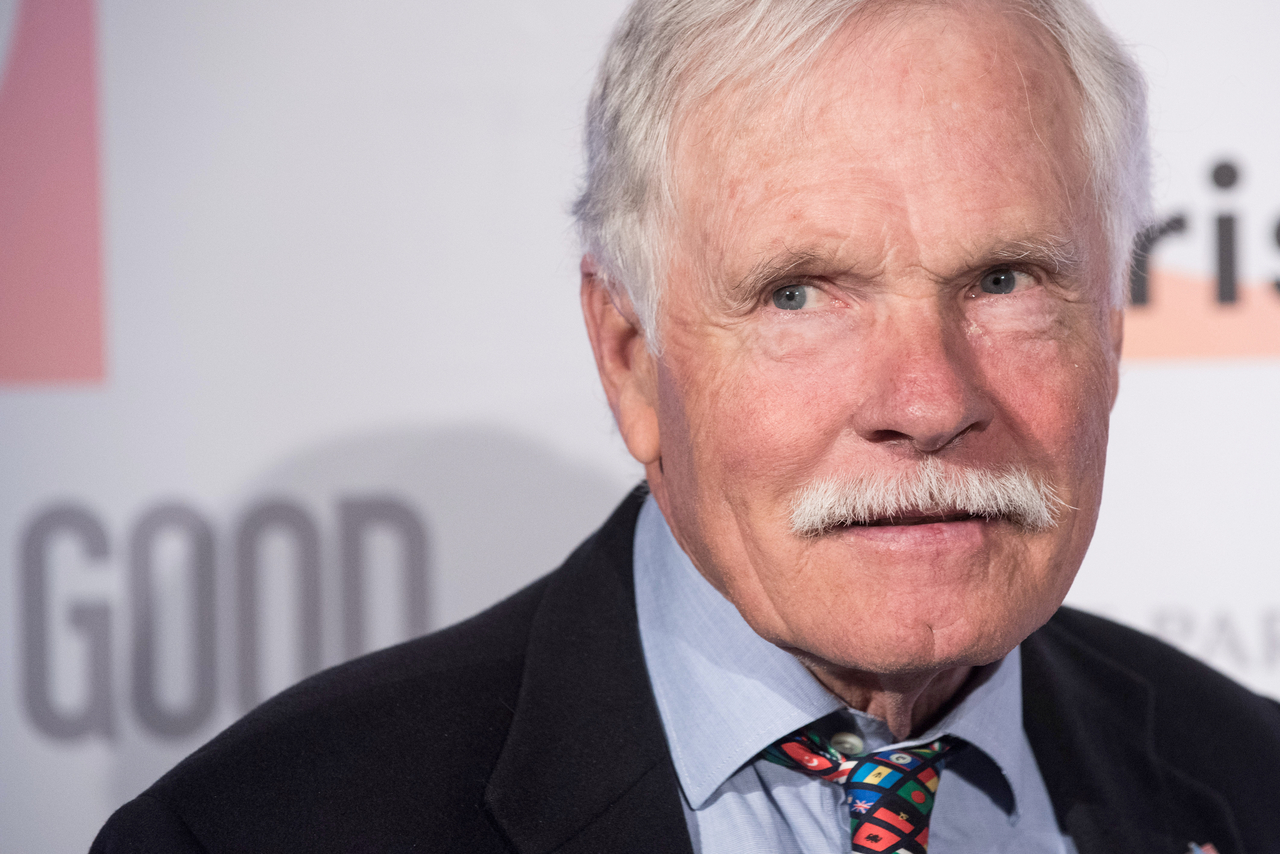 [Herald Economy = Reporter Doh Hyunjung] Ted Turner, the media mogul who founded CNN—the world’s first 24-hour news cable network—died on the 6th (local time) at age 87.
CNN and The New York Times reported that Turner died at his home in Tallahassee, Florida, surrounded by family. He was diagnosed with progressive Lewy body dementia in 2018 and was treated for pneumonia last year.
Born in Cincinnati, Ohio, Turner inherited his father’s large outdoor advertising business, Turner Outdoor Advertising, at 24 and launched his career in media. The company was heavily in debt after his father’s struggles with alcohol and drug abuse, and advisers urged him to sell. Instead, Turner expanded into radio and, in 1970, bought Atlanta’s Channel 17 and moved into television. In 1976 he converted the station to satellite distribution, growing its audience nationwide through cable and creating the nation’s first “superstation,” a local outlet broadcast across the country via satellite.
On June 1, 1980, Turner launched CNN. He had noticed that many people who worked late missed the evening news, and he pushed to create a continuous news service so those viewers could stay informed. He expanded the news operation with CNN2 (now HLN) in 1982 and CNN International in 1985, and he later launched other cable networks including Turner Network Television and Cartoon Network.
CNN lost about $2 million a month (approximately 2.67 billion KRW) during its first two years, but the network’s profile rose sharply during the 1990 Gulf War, when it became the first to provide live, around-the-clock coverage of a conflict. CNN also brought live coverage of historic moments such as the fall of the Berlin Wall and the Tiananmen Square protests.
Turner grew his empire through bold, often risky mergers and acquisitions. Known for a fiery temper and blunt manner, he was also a frequent subject of public controversy over three marriages and divorces and multiple affairs. His third marriage was to actress Jane Fonda; they divorced after ten years.
In an interview with The New York Times, Turner described himself as more an adventurer than a conventional businessman, a reflection of his appetite for high-stakes moves and spectacle.
In 1996 he sold his network business to Time Warner for $7.5 billion (about 11 trillion KRW) and later oversaw the company’s cable news operations until his resignation in 2003. In later years he devoted himself to conservation, buying roughly 2 million acres across Montana, New Mexico and Nebraska to create nature reserves. He also pledged $1 billion (approximately 1.33 trillion KRW) to the United Nations. Even after losing much of his fortune in the dot-com collapse of 2001, he continued his philanthropy, delivering his final donation in 2015.
President Donald Trump expressed condolences after Turner’s death, calling him “a giant of broadcast history, a friend, and someone who was there when I needed him,” despite CNN’s often critical coverage of the former president.














Most Commented